F.B.I. Director Kash Patel Criticizes Soldier Accused of Profiting $400,000 From Classified Information on Maduro Raid
A U.S. Army Special Forces soldier is facing serious federal charges after prosecutors say he used classified information from a mission involving Venezuelan leader Nicolás Maduro to make more than $400,000. The case has quickly drawn national attention, not just because of the money involved, but because of what it says about trust inside the military.
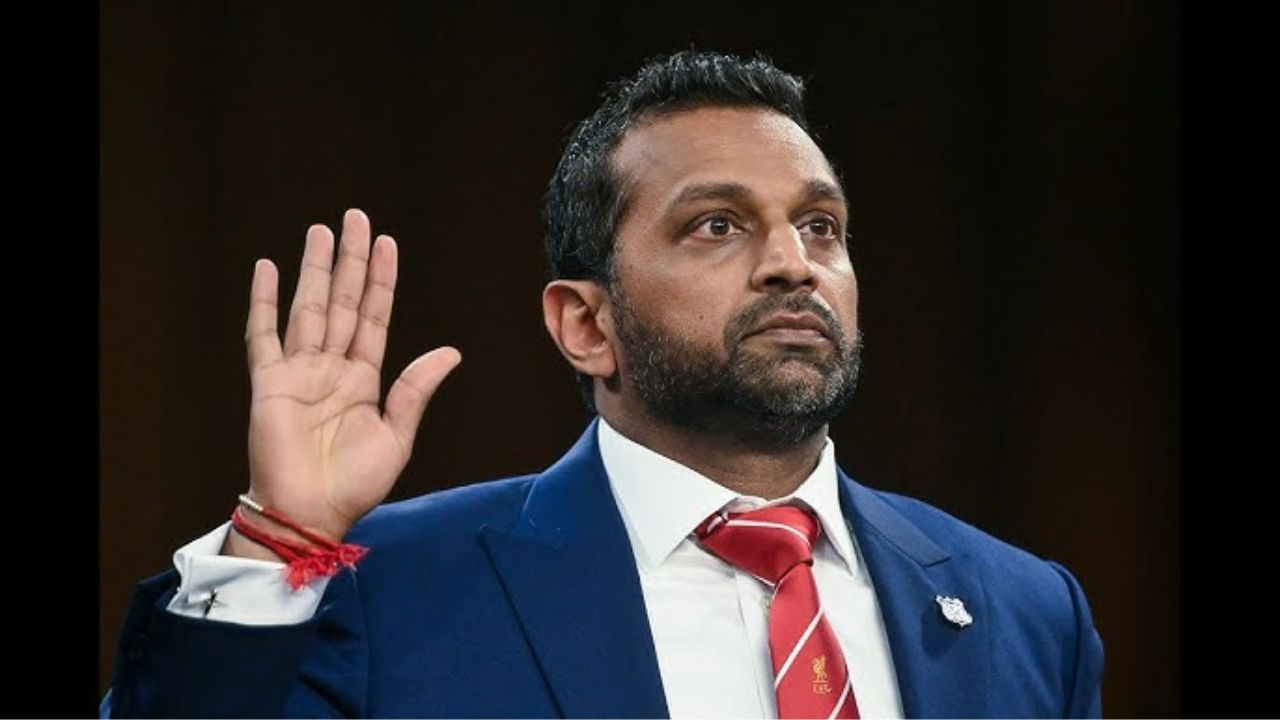
FBI Director Kash Patel publicly criticized the alleged actions, calling it a misuse of a position that requires strict responsibility. According to officials, the concern isn’t just financial gain — it’s the idea that sensitive information tied to a real-world operation may have been used for personal benefit.
What the soldier is accused of doing
Prosecutors say the soldier, identified as Gannon Ken Van Dyke, had access to classified details about the operation targeting Maduro and used that knowledge to place highly accurate bets on the outcome. Authorities claim those bets turned a relatively small amount of money into more than $400,000 in profit.
Investigators also allege he tried to hide what he was doing by using cryptocurrency accounts and other methods to move money around. The charges against him include fraud, theft of government information, and misuse of classified material, all of which carry serious potential penalties if proven in court.
Why officials are taking this seriously
This case goes beyond a typical fraud investigation. Officials have emphasized that people with access to classified information are expected to follow strict rules, especially when it comes to protecting operational details. Breaking that trust can have consequences that go far beyond money.
Authorities say actions like this could potentially put missions or personnel at risk, even if that wasn’t the direct intent. That’s part of why federal agencies, including the FBI and Justice Department, are treating the case as a major breach rather than a simple financial crime.
The connection to the Maduro operation
The alleged scheme is tied to a U.S. operation earlier in 2026 that resulted in Nicolás Maduro being taken into custody. The soldier was reportedly involved in planning and execution phases of that mission, giving him access to information that wasn’t public at the time.
Because the outcome of the operation was not known to the public beforehand, prosecutors say any accurate predictions tied to it would raise immediate red flags. That’s what eventually led to the investigation and charges being filed.
A case that could set a precedent
One reason this case is getting so much attention is that it may be one of the first major examples of someone using classified government information in this kind of betting-related situation. That raises new questions about how laws apply when sensitive information intersects with emerging platforms and financial systems.
Lawmakers and regulators are already paying attention, with some suggesting that clearer rules may be needed to prevent similar situations in the future. For now, the case is moving through the legal system, where the claims will be tested in court.
What happens next
The soldier has been charged and is expected to face trial, where prosecutors will need to prove that classified information was knowingly used for personal gain. If convicted, he could face significant prison time based on the charges already filed.
Beyond the individual case, the situation is likely to stay in the spotlight because it touches on national security, military conduct, and the limits of financial activity tied to inside information. For officials like Kash Patel, the message has been clear — access to sensitive information comes with strict responsibility, and breaking that trust can carry serious consequences.

Leo’s been tracking game and tuning gear since he could stand upright. He’s sharp, driven, and knows how to keep things running when conditions turn.