Lawsuits Over 2025 Camp Mystic Flooding Raise New Questions About Emergency Protocols in Texas Hill Country
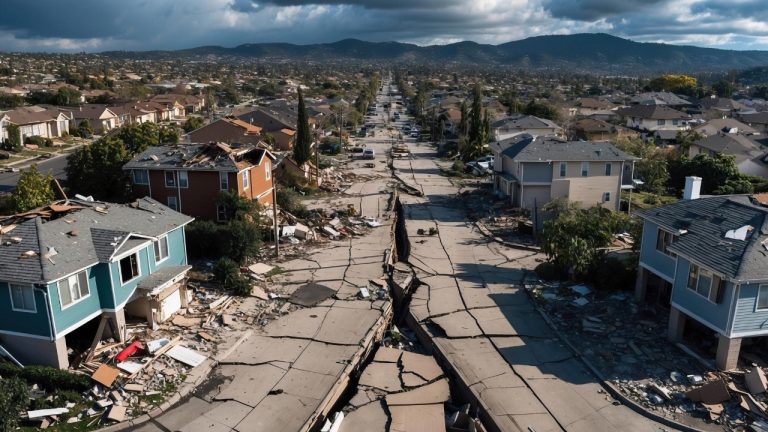
The flash flood that tore through Camp Mystic on July 4, 2025, along the Guadalupe River left 27 people dead—25 young campers and two counselors, plus the camp’s longtime owner who tried to help during the evacuation. Families have now filed multiple lawsuits against the camp and state officials, pointing to decisions made long before the water rose and actions taken in the critical hours before dawn. These cases bring forward uncomfortable details about how a well-known summer camp in a flood-prone area handled known risks, and what that means for safety standards across the Texas Hill Country.
You look at the stories emerging from that night and see how quickly a familiar place turned dangerous. The lawsuits describe stalled responses, cabins placed in low-lying spots, and questions about whether required emergency plans were followed or even properly enforced. What happened at Camp Mystic has pushed regulators, camp operators, and communities to examine protocols that many assumed were solid.
The flood’s sudden impact on the camp
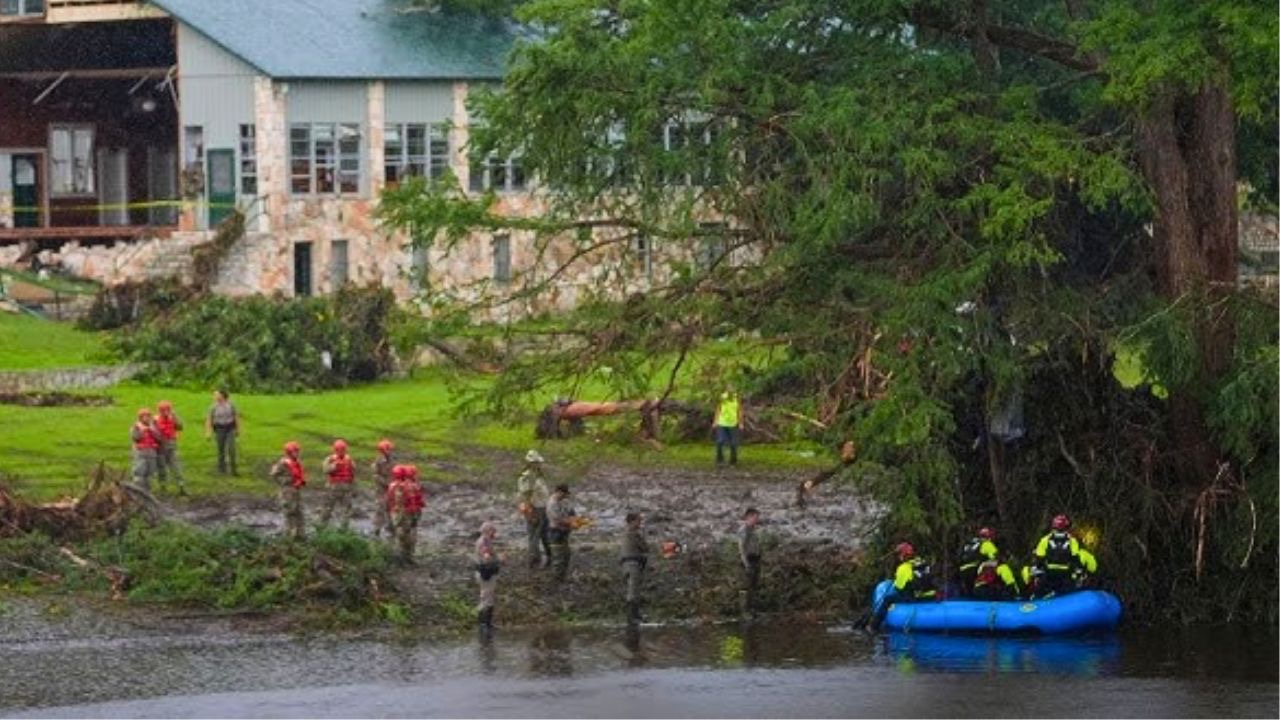
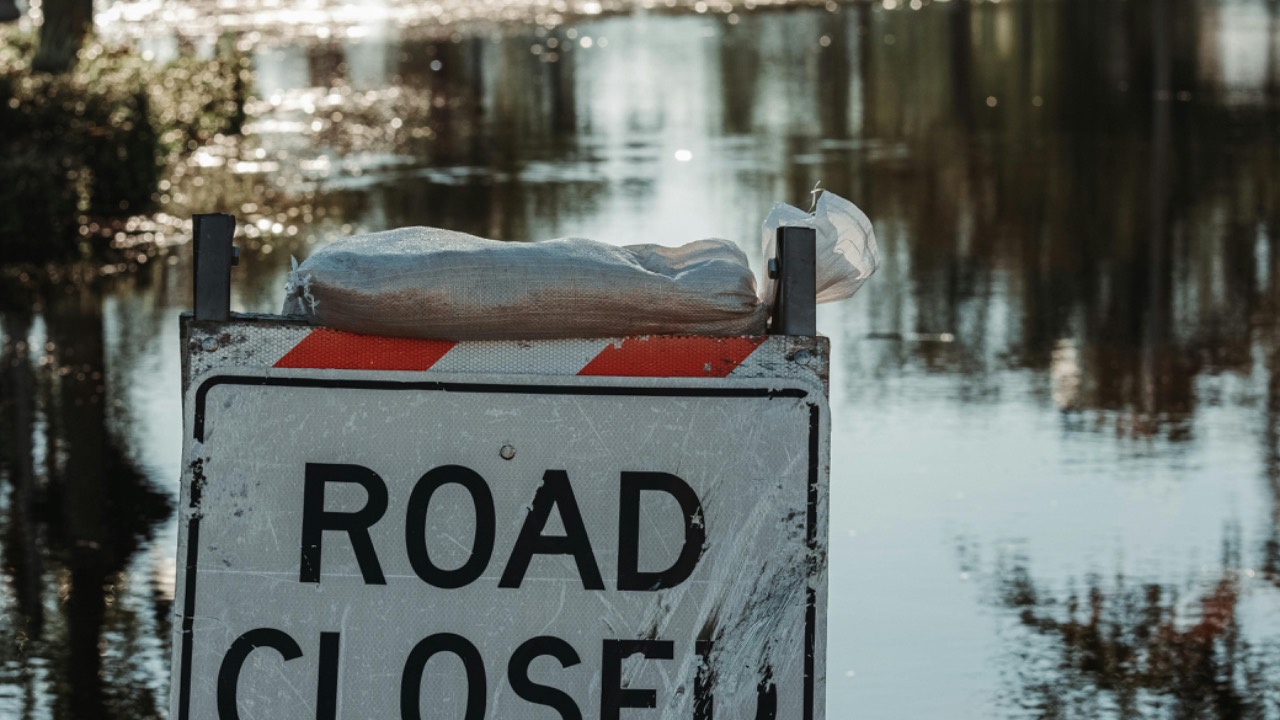
Heavy rains overnight sent the Guadalupe River surging far beyond normal levels in a matter of hours. Camp Mystic, hosting hundreds of girls for a traditional summer session, sat directly in the path of the rising water. Some cabins flooded rapidly before staff could organize a full move to higher ground.
You read accounts from survivors and first responders and understand the chaos. Water reached rooftops in places. Girls and counselors climbed or were swept away in the dark. The scale of the loss—dozens of children—hit hard across Texas and beyond, prompting immediate searches that stretched for days. Regional flooding killed more than 130 people total, but the concentration at one camp drew intense focus.
Families turn to the courts for answers
Parents of victims filed the first wave of lawsuits in November 2025, alleging gross negligence by camp leadership. They claim officials knew about flood risks yet kept cabins in vulnerable spots to avoid relocation costs and delayed calling for evacuation despite weather alerts.
You see the human weight in these filings. Each suit seeks damages and aims to hold the camp accountable for what families call preventable choices. Later cases, including one from the family of an 8-year-old still missing, added more detail about the response timeline. These legal steps keep the pressure on as the camp has talked about reopening.
Allegations of ignored warnings and slow action
Court documents point to missed or downplayed flood warnings issued the day before. Lawsuits describe camp leaders waiting over an hour after initial concerns before attempting broader evacuation. Staff reportedly followed instructions that emphasized staying in cabins unless directly told otherwise.
You consider how those early decisions played out in the middle of the night. Testimonies mention improvised efforts once water rose fast. The camp’s owner, Richard Eastland, died trying to reach one group. Families argue better preparation and quicker movement to higher ground nearby could have changed the outcome for many.
State oversight and missing evacuation requirements
A separate federal lawsuit targets Texas Department of State Health Services officials. Families allege the state renewed the camp’s license even though it lacked a required written evacuation plan for every building, as state rules for youth camps demand. Instead, instructions reportedly told campers to shelter in place during floods.
You examine the regulatory side and notice gaps that go beyond one facility. The suits claim officials failed to enforce existing standards meant to protect children in residential programs. This has led to calls for stronger inspections and clearer mandates across all similar camps in flood-prone zones.
Broader questions about Hill Country preparedness
The Camp Mystic tragedy highlighted how flash floods can overwhelm areas long accustomed to heavy rains. The Texas Hill Country sits in “Flash Flood Alley,” where steep terrain and narrow river channels turn storms into rapid threats. Many locations lack advanced warning systems or updated floodplain rules.
You think about the wider region and see why this event feels familiar yet more severe. Past floods had hit the area, including at the same camp. The 2025 disaster, with record river rises, exposed limits in local alert systems and coordination between camps, counties, and state agencies during overnight emergencies.
Legal push for evidence preservation and accountability
Judges have stepped in with injunctions ordering Camp Mystic to preserve damaged structures and evidence while cases proceed. Families have also sought to block immediate reopening or major changes at the site. These moves aim to protect the integrity of investigations and potential trials.
You follow the court proceedings and understand the tension. The camp wants to move forward and serve new campers, while grieving families insist on full transparency first. Ongoing hearings and legislative reviews continue to shape what safety standards might look like next summer and beyond.
Lessons for camps and communities ahead
This disaster has lawmakers and emergency managers reviewing protocols for youth camps statewide. Discussions include better real-time alerts, mandatory training for overnight scenarios, and stricter placement rules for sleeping areas. Some proposals focus on regional coordination so camps do not face crises in isolation.
You weigh the practical side and recognize the challenge. Texas Hill Country draws families for its beauty and traditions, yet that same landscape carries real risks. The lawsuits over Camp Mystic serve as a reminder that protocols only work when they are up to date, practiced, and enforced without exception.

Asher was raised in the woods and on the water, and it shows. He’s logged more hours behind a rifle and under a heavy pack than most men twice his age.