U.S. Infantry’s Reliance on M1 Garand Firepower Credited With Tactical Superiority in Key World War II Battles
Its semiautomatic design let soldiers maintain steady fire without the pause required by bolt-action rifles common among their opponents. In close-quarters combat across Europe and the Pacific, this difference translated into sustained pressure on enemy positions. U.S. troops could respond faster to threats and keep advancing under their own covering fire. Historians and veterans alike point to the rifle as a factor in shifting small-unit dynamics on the battlefield.
You carry the weight of that history when you consider how ordinary soldiers used the weapon day after day. The M1 proved durable in mud, sand, and snow. Its reliability helped build confidence in units that faced determined resistance. Production scaled up massively, with millions reaching the front lines by the war’s peak years. That volume, paired with training, turned individual marksmanship into squad-level dominance in key engagements.
Design That Changed Infantry Firefights
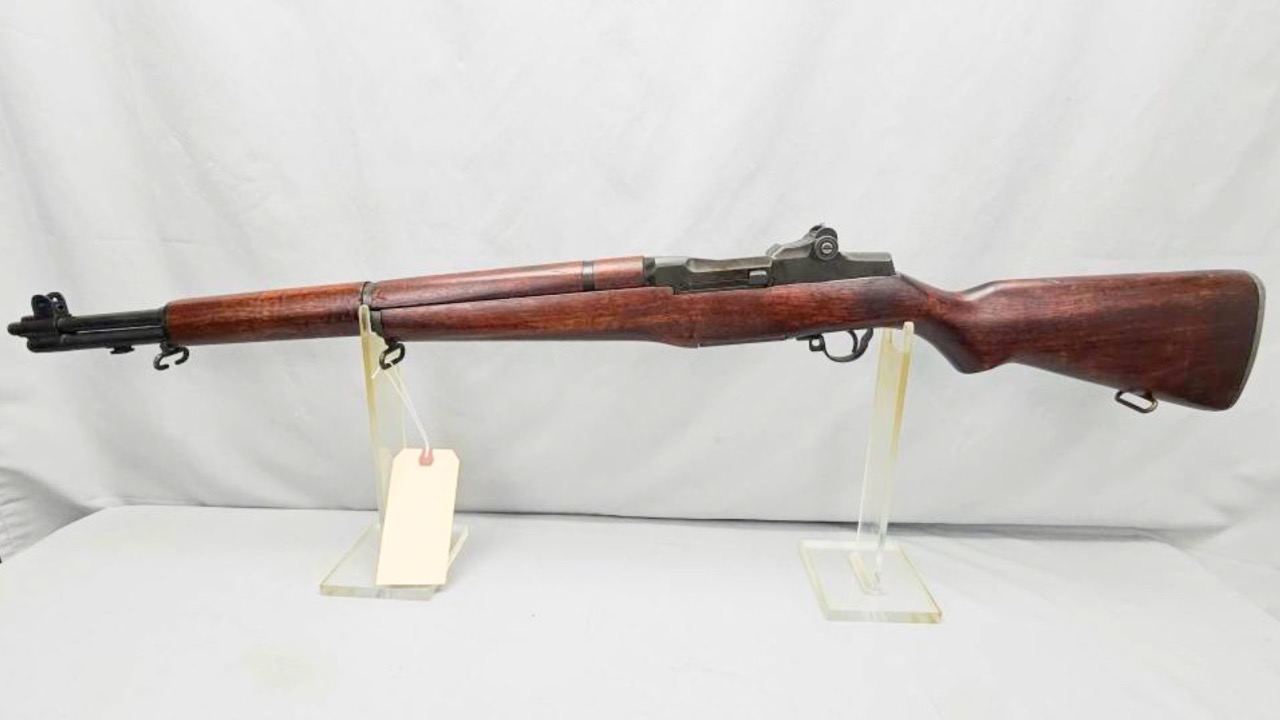
The gas-operated mechanism cycled rounds automatically after each shot. You kept your cheek on the stock and your eyes on the target while squeezing the trigger repeatedly. Opposing forces with bolt-actions had to work the handle after every round, losing precious seconds and sight picture. American riflemen delivered two to three times the aimed shots per minute in many exchanges.
This rate allowed squads to lay down volumes of fire that pinned enemies or forced them to keep their heads down. In hedgerow country or forest clearings, the difference showed immediately. Soldiers advanced in short rushes while others kept shooting. The M1 turned every rifleman into a source of suppressive fire rather than just a precision shooter waiting for the next cycle.
North Africa and Early Lessons
American forces first tested the M1 in large numbers during the 1942-43 campaigns in Tunisia. Units equipped with the rifle quickly adapted to desert and mountain fighting. They outshot German and Italian troops armed mostly with slower Mauser-style rifles. The ability to keep firing while moving or repositioning gave patrols an advantage in open terrain.
Commanders noted how the volume of rifle fire supported larger maneuvers. When contact happened, U.S. infantry could respond with immediate, repeated shots that disrupted enemy responses. Veterans later recalled how the M1 helped compensate for initial inexperience against veteran Axis units. The rifle’s performance encouraged further distribution across arriving divisions.
Normandy and the Hedgerows
On D-Day and in the weeks that followed, the M1 earned respect in the tight confines of Normandy’s bocage. You pushed through dense vegetation and stone walls while maintaining fire on suspected positions. German defenders often described facing what felt like automatic weapons from American lines.
Small teams used the rifle’s speed to clear pockets of resistance. Marching fire tactics, where soldiers shot as they advanced, became more practical. The sustained output from multiple Garands helped overcome prepared defenses. Units that landed with the weapon carried that edge inland, where every yard gained mattered.
The Battle of the Bulge Test
In the Ardennes during winter 1944-45, cold and snow tested equipment and men. The M1 continued to function despite freezing conditions. Surrounded or outnumbered American positions held because riflemen could pour out rounds to repel attacks.
You relied on that firepower when visibility dropped and assaults came at close range. German reports from the period mention the intensity of American small-arms fire. Squads used the M1 to cover retreats, reinforce lines, or counterattack. The rifle’s consistency in extreme weather reinforced its reputation among troops who depended on it daily.
Pacific Theater Adaptations
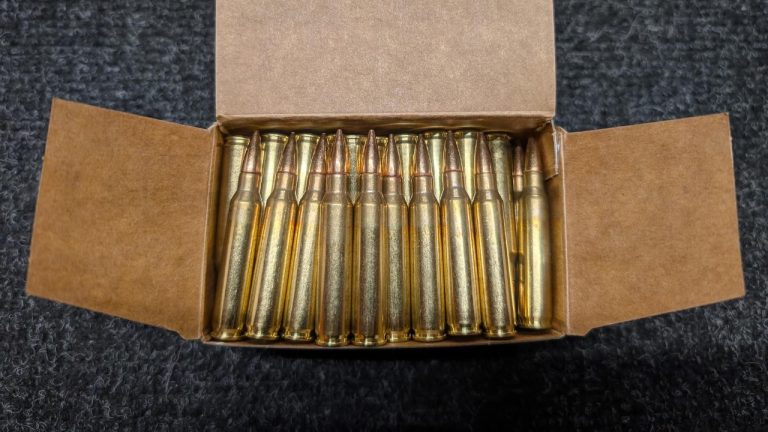
Island fighting presented different challenges, from jungle humidity to coral dust. Marines and Army units appreciated the M1’s power against massed charges or hidden positions. The .30-06 cartridge penetrated foliage and light cover effectively.
In places like Guadalcanal and later Okinawa, the semiautomatic capability helped against determined close assaults. Riflemen could engage multiple targets quickly without manual cycling. This mattered in terrain where enemies closed distances rapidly. The weapon’s reliability in wet, dirty environments kept it in high demand as more units received it.
Training and Squad Tactics
U.S. training emphasized rapid, aimed fire with the Garand. Soldiers practiced reloading the eight-round en-bloc clips under pressure. The distinctive ping when the clip ejected became a sound associated with American advances, though it sometimes alerted attentive enemies.
You learned to integrate rifle fire with BARs and machine guns for layered suppression. The M1 allowed riflemen to contribute more actively to fire-and-maneuver drills. Platoon leaders adjusted plans around the increased individual output. This shift influenced how units assaulted objectives and defended ground across theaters.
Broader Impact on Allied Efforts
By war’s end, the M1 had equipped millions of American fighters. Its presence altered expectations for what infantry could achieve. Allies who observed U.S. units in action sometimes sought similar capabilities. The rifle’s success encouraged postwar developments in small arms worldwide.
Veterans carried stories of specific moments where the weapon made the difference between holding a line or falling back. Historians continue to weigh its role alongside artillery, air support, and logistics. Yet in the direct experience of frontline soldiers, the M1 provided a tangible, personal advantage they valued deeply in combat.
This account draws from documented performance in major campaigns. The rifle’s contribution sits within a larger picture of American industrial output and combined-arms operations. Its story remains tied to the men who carried it through some of the war’s hardest fighting.

Asher was raised in the woods and on the water, and it shows. He’s logged more hours behind a rifle and under a heavy pack than most men twice his age.