Wildlife Researchers Track Expanding Wolf Populations in the American West
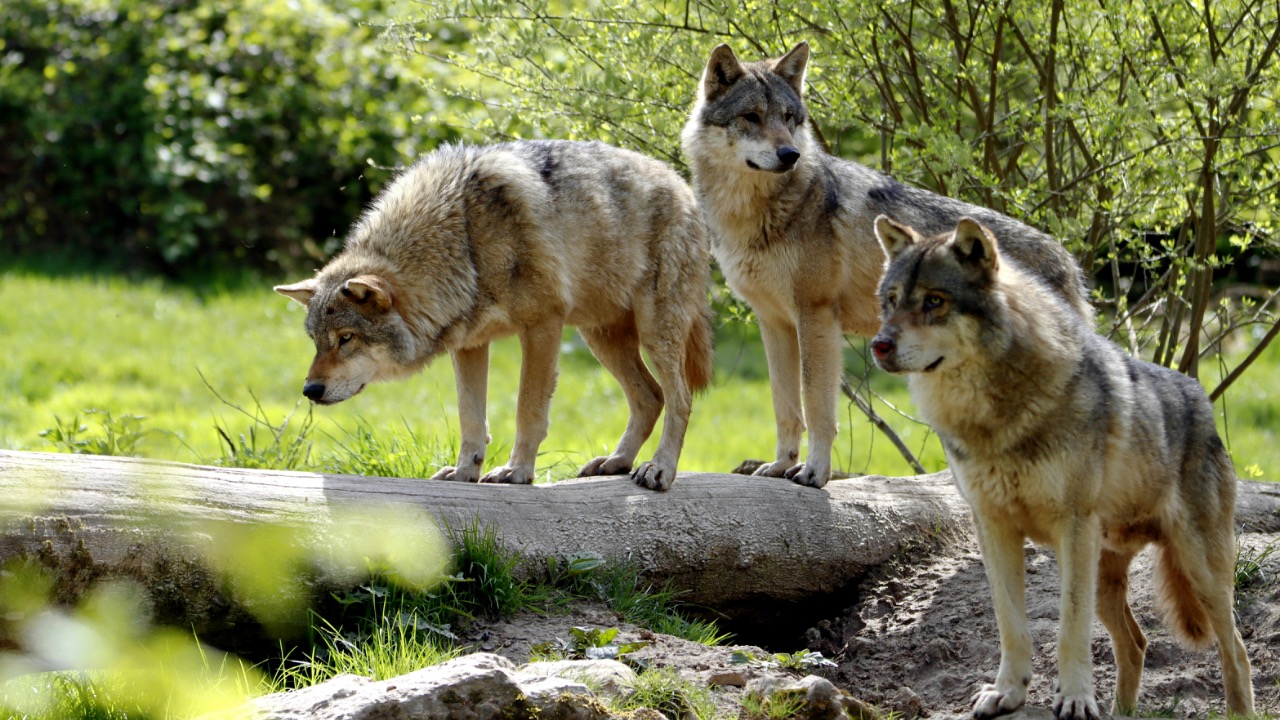
Gray wolves have made a striking comeback across large stretches of the American West after decades of absence. Reintroduced in the mid-1990s to Yellowstone National Park and central Idaho, they have since spread into surrounding states, filling ecological roles that many thought lost forever. Researchers now monitor these animals with a mix of field observations, GPS collars, and genetic sampling to understand how packs establish territories, hunt, and interact with the landscapes around them. Their work reveals both the resilience of wolf populations and the tensions that arise when predators return to working lands.
You see the results in annual reports from state agencies and tribal partners that document steady growth in places like Washington and Oregon. Scientists emphasize that wolves thrive when they have enough prey and space, but human attitudes and land use shape where they can persist. Tracking their movements helps managers balance recovery with the realities faced by people who share the same ground.
The Reintroduction That Changed Yellowstone
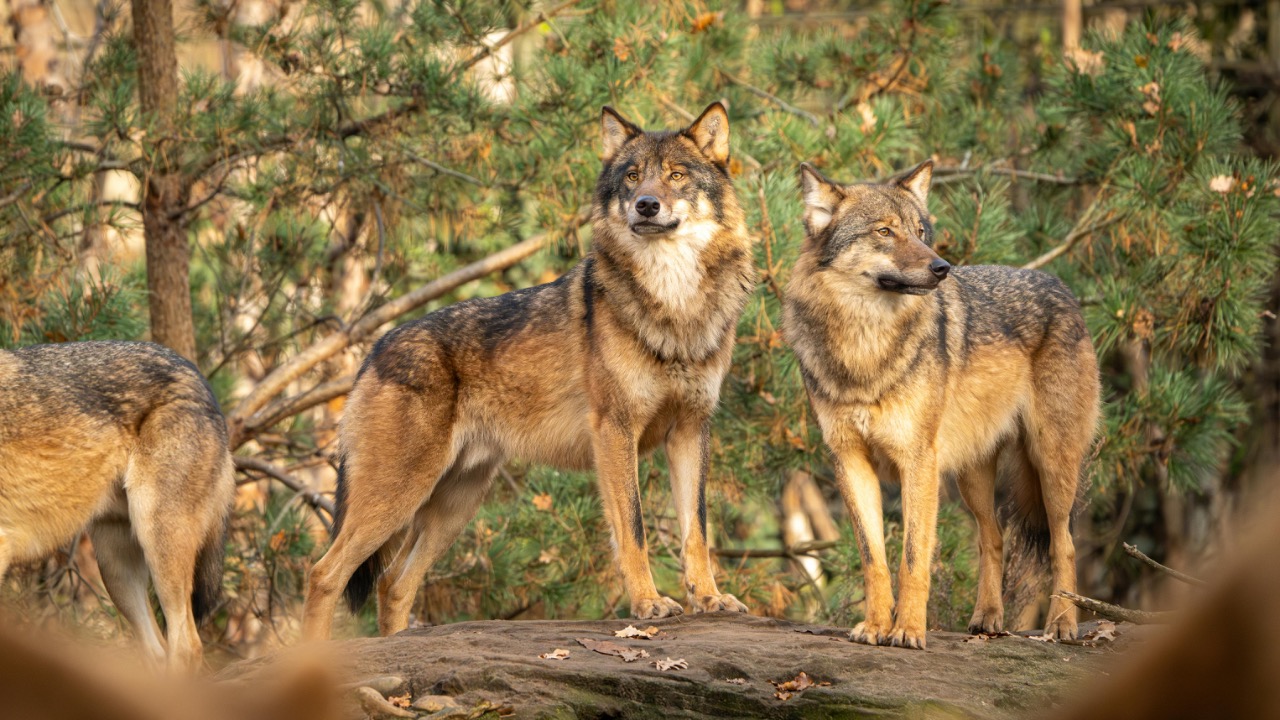
Biologists brought wolves back to Yellowstone in 1995 and 1996 after they had been wiped out earlier in the century. The effort started with animals captured in Canada and released into the park, where they quickly formed packs and began raising pups. Over the following years, the population stabilized around 90 to 110 wolves inside the park boundaries while others moved outward into Montana, Wyoming, and Idaho.
This return reshaped how scientists study predator-prey dynamics. Wolves reduced elk numbers in some areas, which allowed willow and aspen stands to recover and supported more beavers and songbirds. Researchers continue to visit kill sites and collect data on pack behavior to measure these cascading effects on the broader ecosystem.
Methods Researchers Use to Follow Packs
Field crews fly over winter landscapes in helicopters or fixed-wing aircraft to spot groups and count individuals. They combine these surveys with data from radio collars that transmit locations several times a day. Genetic testing of scat and hair samples helps identify relationships between packs and detect new arrivals from distant areas.
Teams also set up camera traps near travel corridors and rendezvous sites. This combination of high-tech tools and boots-on-the-ground observation gives a clearer picture of survival rates, pup recruitment, and territory shifts. The data inform decisions about when and where to intervene in conflicts.
Current Numbers Across Western States
Washington counted at least 270 wolves in 49 packs at the end of 2025, marking a 17 percent increase from the year before and the highest total since monitoring began. Oregon reported a minimum of 230 wolves, with notable growth on the west side of the Cascades. Idaho, Montana, and Wyoming maintain larger established populations that state managers regulate through hunting seasons and targeted removals.
These figures represent minimum counts that likely understate the true total. Wolves continue to disperse into California and Colorado in small numbers, showing the species’ ability to expand when conditions allow. Annual reports track breeding pairs and pack sizes to gauge overall health.
Ecological Role Wolves Play in the Landscape
Wolves keep ungulate herds moving and prevent them from overbrowsing certain plants. In Yellowstone, this has helped restore riparian vegetation that stabilizes stream banks and creates habitat for fish and amphibians. Researchers document how carcasses left after wolf hunts feed scavengers from grizzlies to eagles and support soil nutrients.
The presence of a top predator also influences smaller carnivores and changes the behavior of coyotes in some regions. Long-term studies show these shifts create more diverse and resilient ecosystems, though the exact outcomes vary by location and prey availability.
Tensions With Ranchers and Livestock Operations
Cattle and sheep producers in wolf country face real losses when packs target livestock. Depredation events, while not the majority of wolf kills, can hit individual ranches hard and create ongoing stress for families who manage herds on public and private land. Compensation programs exist in many states, but they do not always cover indirect costs like extra labor or reduced weight gain in stressed animals.
Many ranchers use range riders, night penning, and fladry to discourage wolves. Cooperation between agencies, conservation groups, and producers has improved nonlethal tools, yet conflicts remain a central challenge in wolf management discussions across the region.
State and Tribal Management Approaches
Agencies work with tribes and federal partners to set harvest limits in delisted areas while maintaining protections where wolves remain listed. In Washington and Oregon, officials focus on conflict deterrence and public education as populations expand. Monitoring programs emphasize transparency so residents understand population trends and management actions.
Tribal nations often take active roles in recovery efforts, drawing on traditional knowledge alongside scientific data. This shared stewardship helps address both biological needs and cultural significance of wolves on the landscape.
Expansion Into New Territories
Wolves have pushed westward across Washington and Oregon, establishing packs in the Cascade Mountains and beyond. Dispersers occasionally reach California, where state law protects them. Colorado has seen natural arrivals supplemented by deliberate releases to build a population.
These frontier packs face higher risks from roads, illegal killing, and limited prey in some spots. Researchers pay close attention to survival of these pioneers because they determine whether wolves can secure a lasting foothold in new areas.
Looking Ahead for Wolves and People
Continued tracking will reveal how climate shifts, prey changes, and human development affect long-term viability. Scientists stress the importance of connected habitats so wolves can move between core areas without excessive mortality. Public support varies widely depending on proximity to wolves and personal values.
You can follow the latest updates through state wildlife department reports and research publications. The story of wolves in the West remains one of adaptation on both sides—animals finding their place and people figuring out how to share space in a changing region.

Asher was raised in the woods and on the water, and it shows. He’s logged more hours behind a rifle and under a heavy pack than most men twice his age.