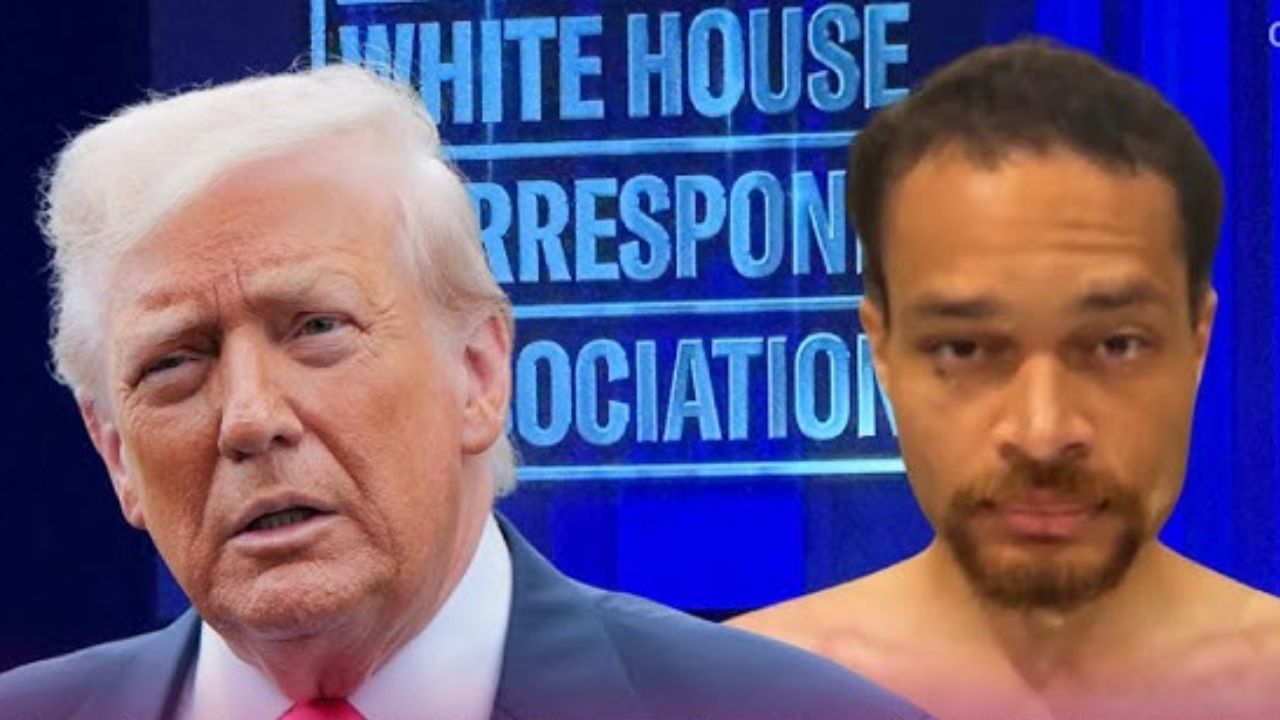
Teacher Loses Job Over Trump Assassination Attempt Video – Free Speech or School Policy Overreach?
When a teacher’s personal actions outside the classroom start affecting their job, it usually sparks a bigger conversation. That’s what happened after a report surfaced about a teacher losing their position over a video related to the attempted assassination of former President Donald Trump. The situation quickly spread online, with people debating whether it crossed a line or raised concerns about free speech.
At the center of it all is a question that comes up more often lately: where does personal expression end, and professional responsibility begin?
What Led to the Controversy
According to reports, the teacher shared or was connected to a video referencing the assassination attempt, which drew attention from both the school and the public. Once it started circulating, reactions came quickly, and the situation escalated beyond just a local issue.
Schools often have policies about conduct, especially when it comes to public behavior that could reflect on the institution. In this case, administrators decided the situation was serious enough to take action, which ultimately led to the teacher losing their job.
Why Some See It as Free Speech
Many people who reacted to the situation focused on the idea of personal rights. Their argument is that what someone says or shares outside of work shouldn’t automatically cost them their job, especially if it wasn’t done in a classroom setting.
From that perspective, the concern isn’t just about this one case. It’s about whether employers, especially public institutions, should have that level of control over what employees say or do in their private lives.
Why Others Support the School’s Decision
On the other side, some people believe the school acted appropriately. Their view is that teachers hold a position of trust, and anything that could be seen as endorsing or making light of violence is a serious issue.
Even if it happened outside school hours, they argue that public-facing roles come with added responsibility. Once something becomes public and starts affecting how others view the school, administrators may feel they have to respond.
How Policies Factor Into Situations Like This
Most school districts have guidelines about employee conduct, both inside and outside the classroom. These policies often leave room for interpretation, especially when it comes to online behavior.
That’s where situations like this become complicated. What one person sees as a personal post, another might see as something that reflects directly on their employer. The line between the two isn’t always clear.
Why This Keeps Coming Up
This isn’t the first time something like this has happened, and it likely won’t be the last. Social media has made it easier for private actions to become public very quickly, which changes how situations are handled.
As more cases like this show up, the same debate continues. People are trying to figure out how to balance individual expression with professional expectations in a way that feels fair on both sides.
The Bigger Question
At its core, this situation isn’t just about one teacher or one video. It’s about how workplaces handle controversial behavior and where limits should be set.
There’s no simple answer, and that’s why these stories get so much attention. They sit right in the middle of two ideas people care about — personal freedom and professional accountability — and those don’t always line up neatly.

Leo’s been tracking game and tuning gear since he could stand upright. He’s sharp, driven, and knows how to keep things running when conditions turn.