US Accidentally Drops Replica of Nagasaki Atomic Bomb on South Carolina Residential Area in Historic Mishap
Stories about military accidents tend to sound extreme at first, and this one is no exception. Reports about a replica of a historic atomic bomb being dropped over a residential area immediately raise questions about how something like that could even happen. But when you look closer, the details show a situation that was very different from what the headline suggests.
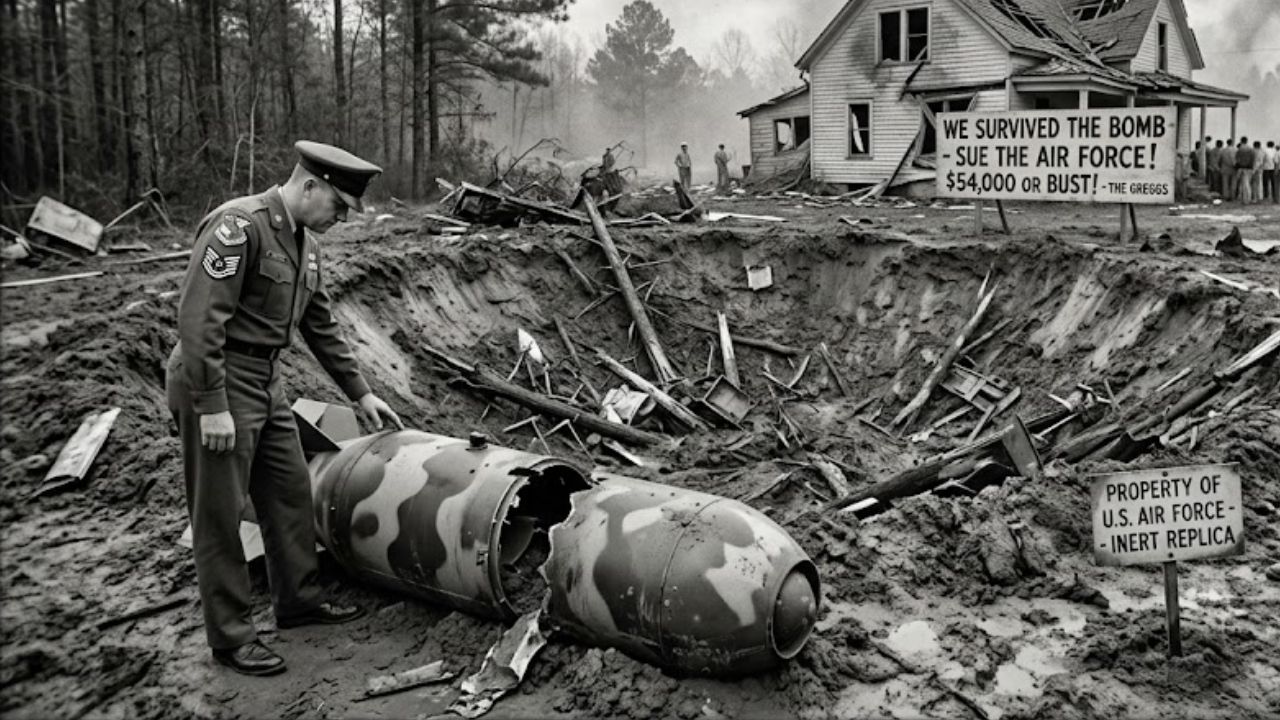
The incident itself goes back decades and involved a training or test object, not a functional weapon. Still, the idea that something resembling one of the most destructive weapons in history ended up falling into a populated area is what keeps people talking about it.
What Actually Happened
The object involved in the incident was described as a replica or non-functional version of the type of bomb used during World War II. These kinds of replicas are sometimes used for testing or training purposes, especially when studying how equipment behaves under real-world conditions.
During the event, the object was accidentally released and fell into a residential area in South Carolina. Despite how serious that sounds, it did not contain a nuclear payload and did not cause the kind of damage people might assume from the headline.
Why It Still Became a Big Story
Even without a live weapon, the symbolism alone made the incident stand out. Anything associated with atomic weapons carries a level of attention that most other military equipment doesn’t.
For residents, the situation likely felt alarming in the moment, especially without immediate context. Seeing or hearing about something connected to that kind of history can change how people interpret what’s happening, even if the actual risk is limited.
The Context Behind Training Replicas
Military testing often involves equipment that looks similar to real versions but lacks the components that make them dangerous. These replicas are used to understand weight, aerodynamics, and release systems without introducing real risk.
That context explains how something like this could exist in the first place. However, it also highlights how an accident involving even a non-functional version can still lead to confusion and concern.
How People Reacted
When stories like this resurface or are shared online, reactions tend to vary. Some people are surprised that anything resembling a historic atomic weapon could be involved in a domestic incident at all.
Others focus more on the fact that it was not an active weapon and see it as a reminder of how military testing works behind the scenes. The gap between those reactions is what keeps the story circulating.
Why It Still Gets Attention
This kind of incident sticks with people because it combines history, military activity, and a residential setting. Each of those elements on its own can draw attention, but together they create a story that feels unusual.
Even years later, it raises the same basic question: how does something like that happen, and what does it say about the systems involved?
The Bigger Takeaway
At its core, the story isn’t about a nuclear event, but about perception and context. A non-functional object can still create a strong reaction if it’s tied to something people recognize as dangerous.
For many, the incident stands as a reminder that not every alarming headline reflects the full picture. Understanding the details behind what actually happened is what separates the initial shock from the reality of the situation.

Leo’s been tracking game and tuning gear since he could stand upright. He’s sharp, driven, and knows how to keep things running when conditions turn.