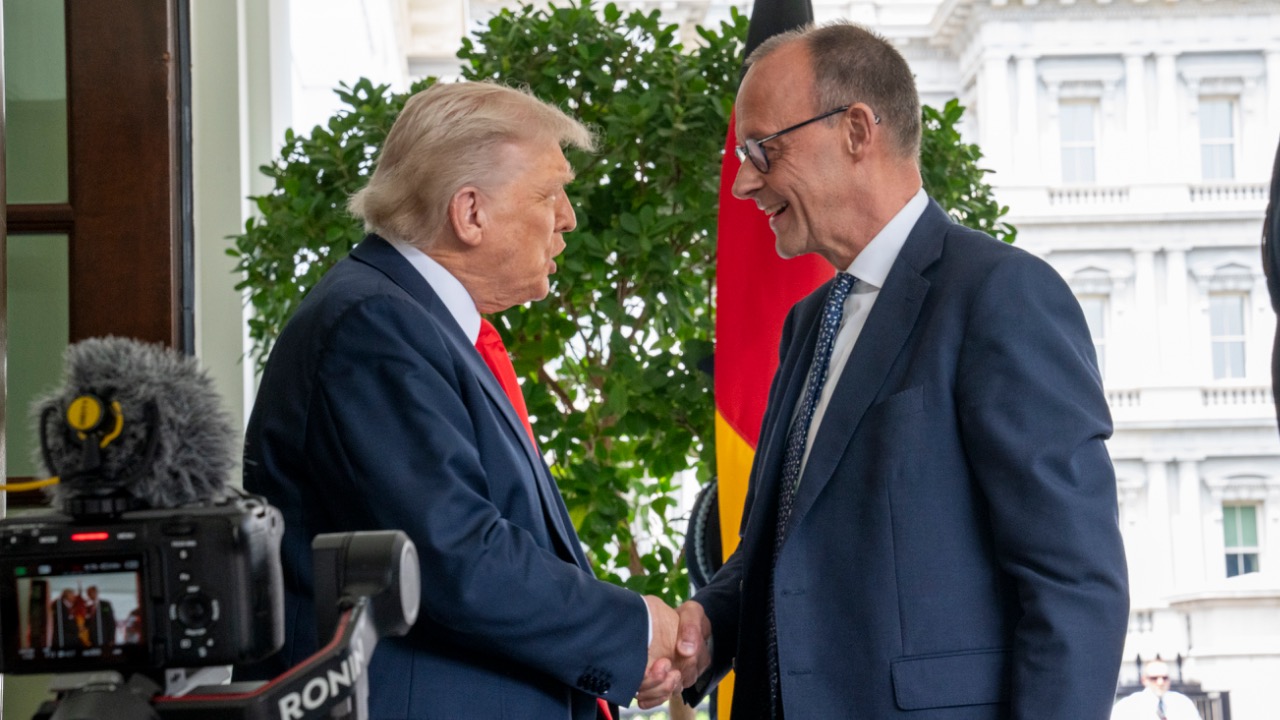
Trump hits back at German chancellor after claim that US was ‘humiliated’ by Iran
German Chancellor Friedrich Merz stepped up to a podium in front of university students and laid out his take on the ongoing conflict with Iran. He described how American officials had traveled to Pakistan for talks only to come away empty handed, with Tehran appearing to hold the upper hand. You see the weight he placed on the idea that the United States had entered the situation without a clear plan, leaving its negotiators exposed to skillful maneuvering by Iranian leaders and the Revolutionary Guards.
Merz framed the episode as more than a simple setback. He pointed to the broader pattern where expectations about Iran’s strength had not matched reality on the ground. His words carried the tone of a concerned ally offering an honest assessment rather than pulling punches. The chancellor made it plain that he saw the United States facing real challenges in bringing the negotiations to a close, and he did not shy away from calling the dynamic humiliating for an entire nation.
Trump’s Quick Response from Truth Social
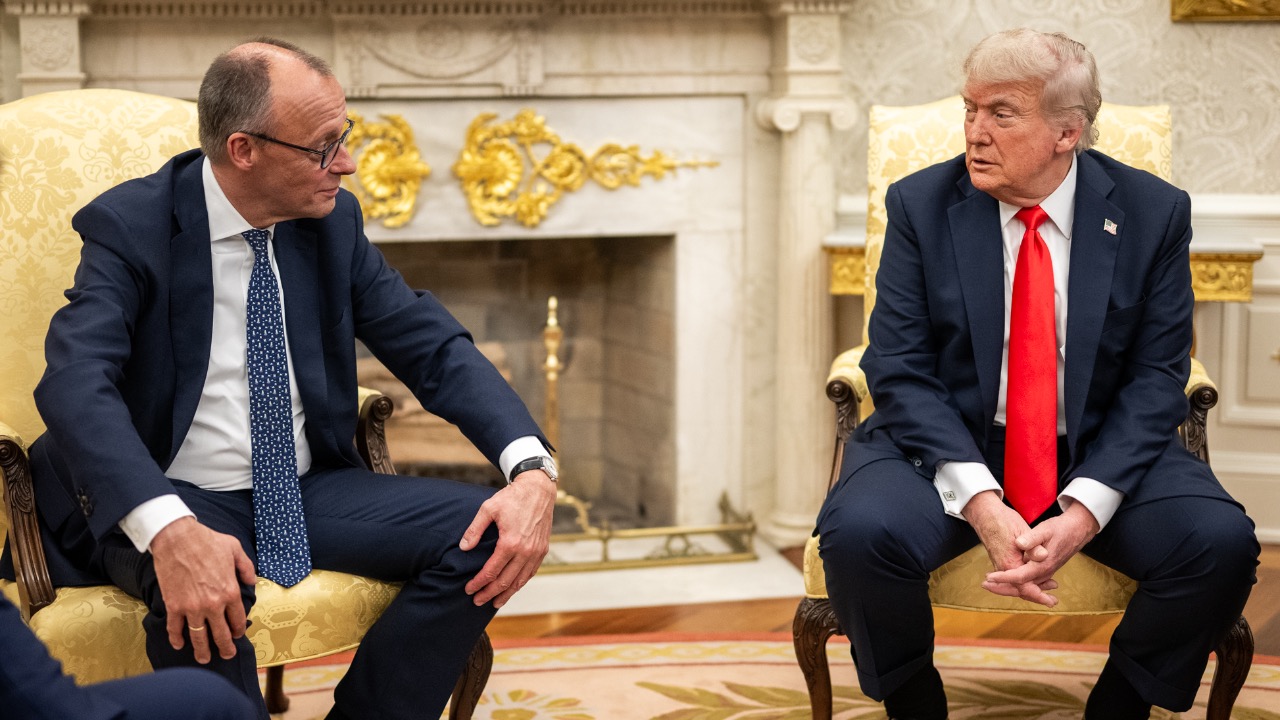
President Donald Trump wasted little time before posting on Truth Social to push back against the chancellor’s remarks. He zeroed in on what he viewed as Merz’s misunderstanding of the nuclear risks involved. Trump wrote that the German leader seemed comfortable with Iran acquiring a nuclear weapon, something he insisted showed a lack of grasp on the dangers. You pick up the urgency in his message that a nuclear Iran would leave the entire world vulnerable to hostage taking.
The president went further by tying the criticism to Germany’s own struggles. He noted the country’s economic and other difficulties, suggesting Merz should focus closer to home instead of commenting on American efforts. Trump emphasized that he was handling Iran in ways previous leaders had avoided, positioning his approach as decisive where others had faltered. The post captured his signature directness and set the stage for a sharper exchange between the two leaders.
Mischaracterizing the Nuclear Stance
Observers noted how Trump’s reply reframed Merz’s actual position on Iran’s nuclear ambitions. The chancellor had repeatedly stated that Iran must not be allowed to develop such weapons, yet the president portrayed the comments as tolerance for a nuclear Iran. You recognize the rhetorical move that amplified the disagreement and shifted attention to the high stakes involved in preventing proliferation.
This interpretation added fuel to the fire without addressing the specific points Merz had raised about negotiation tactics. It turned a critique of strategy into a debate over basic principles on nuclear security. The gap between what the chancellor said and how it was received in Washington illustrated how quickly words can be twisted in heated diplomatic moments, leaving both sides dug in on their interpretations.
Spotlight on Germany’s Economic Challenges
Trump’s post did not stop at the Iran dispute. He brought up Germany’s economic performance as part of his counterattack, implying the chancellor lacked standing to lecture others. You see how this jab connected the transatlantic friction to domestic pressures facing Berlin, where growth has lagged and industrial output has faced headwinds. The remark suggested that internal issues should take priority over foreign policy commentary.
By highlighting these troubles, the president reminded audiences of the uneven playing field he perceived in the alliance. Germany has long relied on stable relations with the United States, and the economic aside underscored Trump’s view that Merz should attend to his own backyard first. The comment landed as both personal and strategic, broadening the rift beyond the immediate Iran talks.
The Threat to U.S. Troops in Germany
The exchange escalated when Trump signaled he might review or reduce the American military presence stationed in Germany. With more than thirty six thousand troops currently based there, any shift would carry significant weight for European security. You understand the leverage this threat carries, given how deeply intertwined the two countries have been through NATO commitments since the postwar era.
Such a move would mark a dramatic response to the chancellor’s criticism. It raised questions about whether the spat could lead to concrete changes in basing arrangements that have defined the alliance for decades. Officials on both sides began weighing the potential fallout, recognizing that troop levels serve as more than symbolic markers of partnership in times of tension.
Merz’s Efforts to Smooth Things Over
Chancellor Merz moved quickly to contain the damage after Trump’s posts. He stressed that his personal relationship with the president remained strong and unchanged. You notice how he emphasized the value of the transatlantic partnership even while standing by his original assessment of the Iran situation. The chancellor avoided further escalation in public statements, choosing instead to highlight shared interests.
This approach reflected an awareness of the larger picture. Germany continues to depend on close coordination with Washington on security matters across Europe and beyond. Merz’s tone suggested he wanted to keep the door open for dialogue, framing the disagreement as one that could be managed without lasting harm to the alliance.
Context of the Stalled Iran Talks
The dispute sits against the backdrop of prolonged negotiations aimed at ending the conflict with Iran. American teams have shuttled to Pakistan in hopes of securing agreements, yet progress has remained elusive. Iranian officials have shown reluctance to send their own delegates until certain conditions, including the lifting of port blockades, are met. You see how these logistical hurdles have contributed to the sense of frustration on the American side.
Merz’s student audience heard him describe Iran as more capable than anticipated, forcing a reassessment of initial expectations. The Revolutionary Guards in particular drew mention as key players complicating the path forward. These details painted a picture of a drawn out process where neither side held all the advantages, setting the stage for the candid remarks that later drew Trump’s ire.
What This Means for the Alliance
The public clash between Trump and Merz reveals underlying pressures within the NATO framework during active conflicts. Allies often voice differences behind closed doors, but open criticism like this draws attention to the limits of unity. You recognize that such moments test the resilience of partnerships built over generations, especially when one partner feels its efforts are being second guessed.
Looking ahead, both capitals will need to navigate the fallout while managing the Iran file. The episode serves as a reminder that personal rapport and strategic alignment do not always align perfectly under pressure. As negotiations continue, the way Washington and Berlin handle this rift could shape cooperation on other fronts for months to come.

Asher was raised in the woods and on the water, and it shows. He’s logged more hours behind a rifle and under a heavy pack than most men twice his age.