Skip Trendy Survival Hacks — Lessons That Have Worked for Generations
Survival advice has become a content genre, optimized for clicks and novelty. Yet the people who actually lived through scarcity, storms and blackouts did not have viral hacks; they had habits built over generations. The most reliable guidance for hard times still looks a lot like what grandparents and great‑grandparents practiced every day. Skipping the gimmicks and relearning that older playbook may be less romantic than it sounds, but it is far more likely to work when the lights go out or the paycheck stops.
That older playbook starts with a clear sense of priorities, adds a handful of practical skills and leans heavily on community. Modern tools can help, but the core of staying safe, fed and sane in a crisis is still human judgment, simple gear and routines that have already been tested by time.
Old-school priorities beat flashy gear
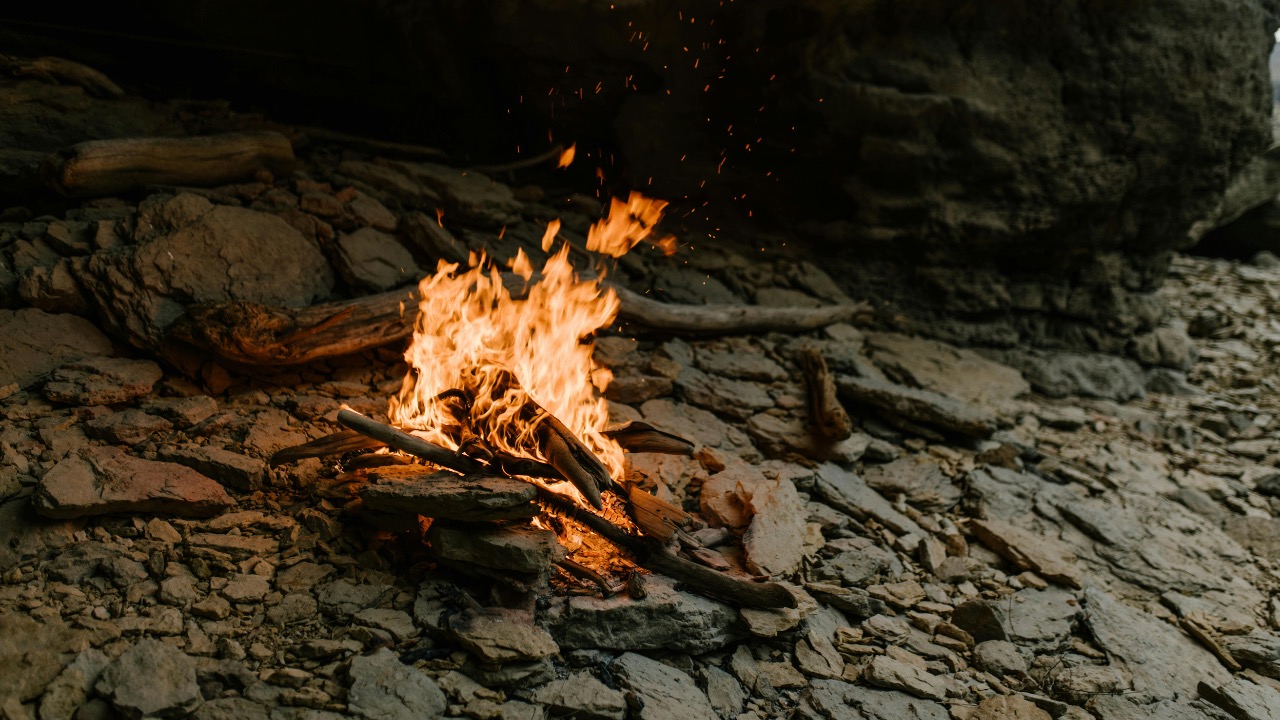
Generational survival wisdom begins with a blunt hierarchy: protect life first, then body temperature, then water, then food. Outdoor instructors often teach a version of the “three hours, three days, three weeks” rule of thumb, which Tim Ferriss summarized as surviving roughly three hours without shelter, three days without water and three weeks without food before collapse becomes likely. That sequence mirrors the Priorities of Survival used in wilderness courses, where STOP (stop, think, observe, plan) comes before any gear checklist, and First Aid, Shelter and Body temperature are addressed before anyone worries about foraging. The American Red Cross takes a similar view, listing CPR, trauma treatment and bleeding control ahead of shelter building and water safety in its guidance on Critical Survival Skills. Trendy hacks about improvised fishing lures or exotic fire starters may be entertaining, but they sit far below these basics on any realistic priority list.
Older generations also tended to train a small number of core abilities to a high level instead of chasing novelty. Mountain coaches now echo that approach when they tell athletes that the five survival skills to master are shelter building, fire starting, procuring food and drinkable water, navigation and basic first aid plus signaling for help, as laid out in Marguidance for mountain athletes. The overlap with what homesteaders and rural families did as routine work is not an accident: the skills that keep a trail runner alive in a blizzard are very close to the ones that kept an isolated farmhouse functioning in winter.
Ancestors’ skills still solve modern problems
For earlier generations, survival was not a hobby but a daily constraint, and their skills map neatly onto current risks. A century ago, preserving food through canning, smoking meat and root cellaring was common enough that it barely merited comment, as one discussion of Canning and other home preservation methods points out. Today that same knowledge buffers families against supply chain shocks and inflation, and it reduces reliance on just‑in‑time grocery deliveries. Older frugality habits such as “Use it up, wear it out, make do or do without” now show up in modern patterns like the Use It Up, project, which treats repairing clothing and gear as both craft and resilience strategy.
Weather awareness is another area where grandparents’ habits still outperform phone screens in a pinch. Before radar and apps, farmers watched clouds, winds and even halos around the Moon, and they passed that “weather lore” down as practical rules. A historical account of winter storms describes people Reading the Signs in the Sky long before modern meteorology, relying on clouds, animal behavior and celestial cues. Reddit users who catalog forgotten skills now list “Predicting the Weather” as a lost art, noting that earlier communities depended on such observations when no forecast was available. Those same observational habits are still valuable when storms knock out cell towers or when a backcountry trip takes someone beyond the reach of a signal.
From viral hacks to durable habits
The modern obsession with hacks often treats time and convenience as the only currencies that matter. Carolyn Gregoire has described how people devour articles with time‑saving tricks that shave seconds off chores, a pattern that leaves little room for slower, skill‑building routines. Yet the habits that carried earlier generations through hardship were not optimized for speed; they were optimized for durability. Zero‑waste advocates now argue that what looks like a cutting‑edge sustainability trend is actually a return to older behavior, noting that the question “How Did the Waste Movement Begin” can be answered by pointing to grandparents who reused jars, mended clothes and avoided disposable packaging because they had no alternative.
Content creators have started to mine that history directly. A popular video on frugal living walks through “25 old fashioned hacks our grandparents used,” from turning bacon grease into cooking fuel to making clothes last for decades, and it frames those tricks as an antidote to throwaway culture in Nov footage. Other clips show how Learning to maintain outdoor gear, from re‑proofing jackets to patching tents, can make equipment last for decades instead of a few seasons. These are not party tricks; they are compounding habits: each repair keeps money in a household and keeps a person more comfortable when conditions turn rough.
Community, not gadgets, is the real force multiplier
Older survival stories almost always feature neighbors, not lone heroes. Financial counselors now echo that lesson when they point out that Financial security does not always have to come from cash, since Local barter and swap groups let people trade skills, services and goods when money is tight. Clothing repair circles and swap events do the same for wardrobes, with one organizer stressing that Clothing swaps and repair workshops are not just about keeping textiles out of landfills; they are about building community. For earlier generations, that kind of mutual aid was automatic: if a barn roof blew off or a harvest came early, neighbors showed up because their own survival was tied to the group’s stability.
Technology can support that instinct, but it cannot replace it. A project that tried to address homelessness with digital tools concluded that tech is only one tool in the toolbox and that lasting progress depends on communities prioritizing care for their neighbors, a lesson that tracks closely with ancestral patterns of shared work and shared risk. An Instagram reel that tells viewers “you do not need fancy gear to survive, just the skills to use what your grandparents saved” makes the same point in different language, urging people to look at the tools already in their basements instead of chasing the latest gadget. In real emergencies, from house fires to regional blackouts, the people who knock on doors, share generators and pool childcare look a lot more like those grandparents than like influencers.
Blending ancestral skills with modern tools
None of this means rejecting modern technology. Outdoor writers such as Josh Smith argue that Modern survival practice works best when it blends old wisdom with new equipment, pointing out that Getting soaked in the backcountry no longer has to mean evacuation if people combine traditional layering strategies with advanced fabrics. A LinkedIn analysis of Discovered ancestral safety skills in the modern world makes a similar case, arguing that the most resilient people are those who can navigate both digital systems and physical landscapes without becoming dependent on either. That hybrid approach looks less glamorous than a pack full of ultralight gear, but it aligns with how earlier generations adopted new tools: slowly, skeptically and without discarding what already worked.

Leo’s been tracking game and tuning gear since he could stand upright. He’s sharp, driven, and knows how to keep things running when conditions turn.