Toddler Dragged Underwater by Otter: Family Wins $350k – But Who’s Really Liable for Wild Animal Attacks?
A family out for a walk on a marina dock in Washington state suddenly faced a wild animal that no one saw coming. In September 2024, a two-year-old girl and her mother crossed paths with a river otter at the Bremerton Marina. The otter grabbed the child, dragged her underwater, and left both with bites and scratches that required medical care. The family later reached a $350,000 settlement with the Port of Bremerton. Yet the agreement came with a clear statement from both sides: this was an unfortunate accident, with no one at fault. That leaves a larger issue hanging in the air. When wild animals strike in places where people gather, who actually carries the responsibility?
The Attack Unfolds on a Quiet Marina Dock
The morning started like any other at the Bremerton Marina. A mother walked along Dock E with her three young children, including a two-year-old girl. They lived aboard a boat there, so the dock felt like an extension of home. Without warning, a river otter leaped onto the dock and seized the toddler by her skirt. It pulled her straight into the water and dragged her underneath. The child resurfaced after a few tense moments, but the otter kept attacking, leaving scratches and bites across her head, face, and legs. Her mother jumped in to pull her out, only to get bitten on the arm herself as the animal continued its pursuit. Surveillance footage captured the entire chaotic sequence.
The family scrambled to safety while the otter lingered nearby. Officials from the Washington Department of Fish and Wildlife later confirmed the details and noted that such encounters remain rare in the state. River otters thrive in these waters, moving between fresh and saltwater habitats with ease. Still, the suddenness of the event stunned everyone involved. The toddler and her mother both needed rabies shots as a precaution. For the family, the physical injuries healed over time, but the memory of that dock walk stayed sharp.
The Mother’s Fight to Protect Her Child
You see the raw instinct kick in when a parent faces an unexpected threat like this. The mother did not hesitate. She reached into the water, lifted her daughter clear, and shielded her from further harm even as the otter turned its attention to her. That split-second action likely prevented worse outcomes, yet it came at a personal cost. The bite on her arm added to the trauma already unfolding for her children, who ranged in age from nine months to five years. The lawsuit later highlighted the ongoing effects, including fear and emotional strain that lingered long after the physical marks faded.
This kind of parental response feels familiar to anyone who has ever kept watch over small kids near water or wildlife. The mother’s quick thinking turned a potential tragedy into a survivable scare. Yet the experience left deeper questions about whether the marina environment had set the stage for trouble. Reports from the family pointed to earlier complaints about otters acting aggressively around the docks, claims the port later disputed. Those details fueled the legal push that followed.
Filing Suit Against the Port of Bremerton
The family decided to hold the port accountable for conditions at the marina. They filed the lawsuit in July 2025, arguing that managers knew about otter activity well before the September 2024 attack. Multiple people had raised concerns over the previous year, the complaint stated, yet little changed. The port pushed back, saying no clear pattern of aggression had been documented. In court papers, both sides laid out their positions without conceding ground. The case centered on whether the port owed a duty to warn visitors or take extra steps in a space shared by people and wildlife.
Public entities like ports manage busy waterfronts that attract boaters, walkers, and families. When someone lives or spends time there regularly, the expectation of safety grows stronger. The lawsuit framed the incident as more than random bad luck. It asked whether the port had done enough to monitor and address known wildlife patterns. The legal filing kept the focus narrow while opening the door to broader talk about responsibility in places where nature and daily life overlap.
Reaching a Settlement Without Admitting Fault
By April 2026, the parties agreed to settle for $350,000. The port’s insurance company covered the amount, and both sides described the outcome as a practical way to move forward. Forty percent went toward legal fees and related costs, with the rest placed in a trust for the family. The port’s chief executive called it an unfortunate accident and emphasized that animal behavior can shift without notice. No formal finding of wrongdoing appeared in the final agreement. This approach let everyone avoid a drawn-out trial while addressing the family’s needs.
Settlements like this happen often when the costs of fighting in court outweigh other factors. The port avoided setting a legal precedent that might affect future claims at similar sites. For the family, the payment offered some financial relief after months of medical visits and stress. The resolution kept the conversation alive about how public spaces handle wildlife without pointing fingers directly at any single party.
River Otters in Washington Waters
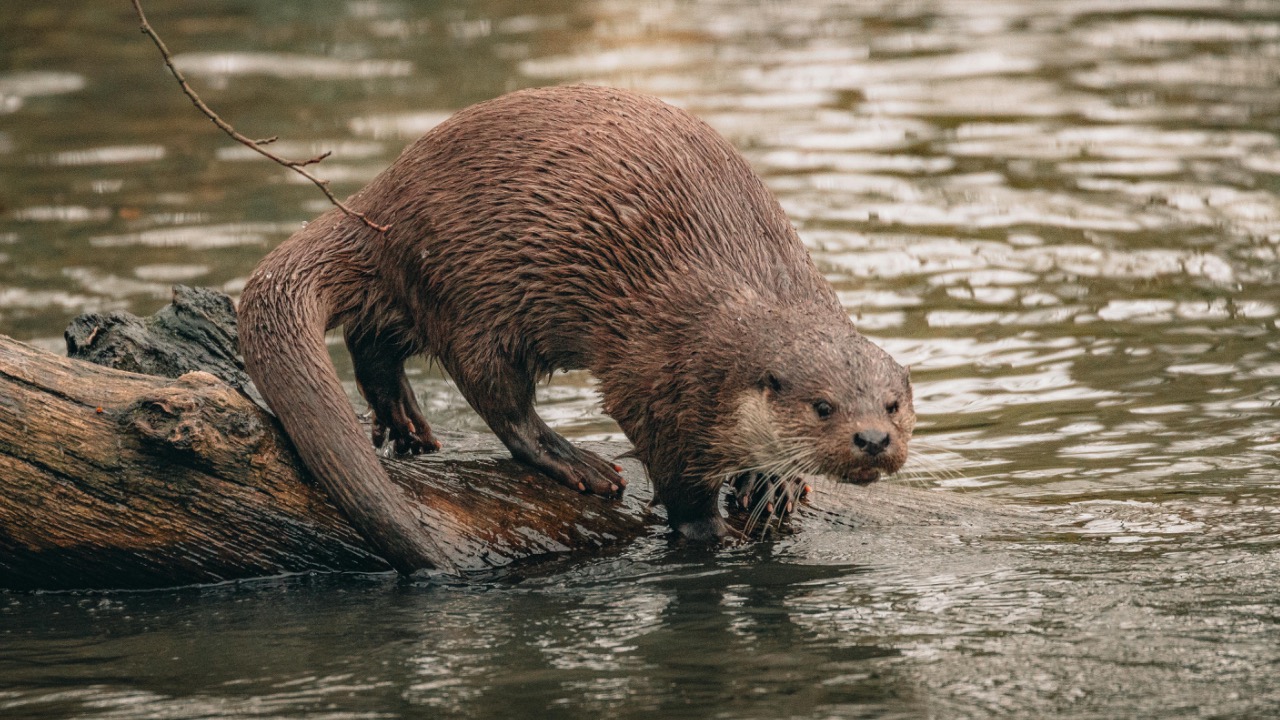
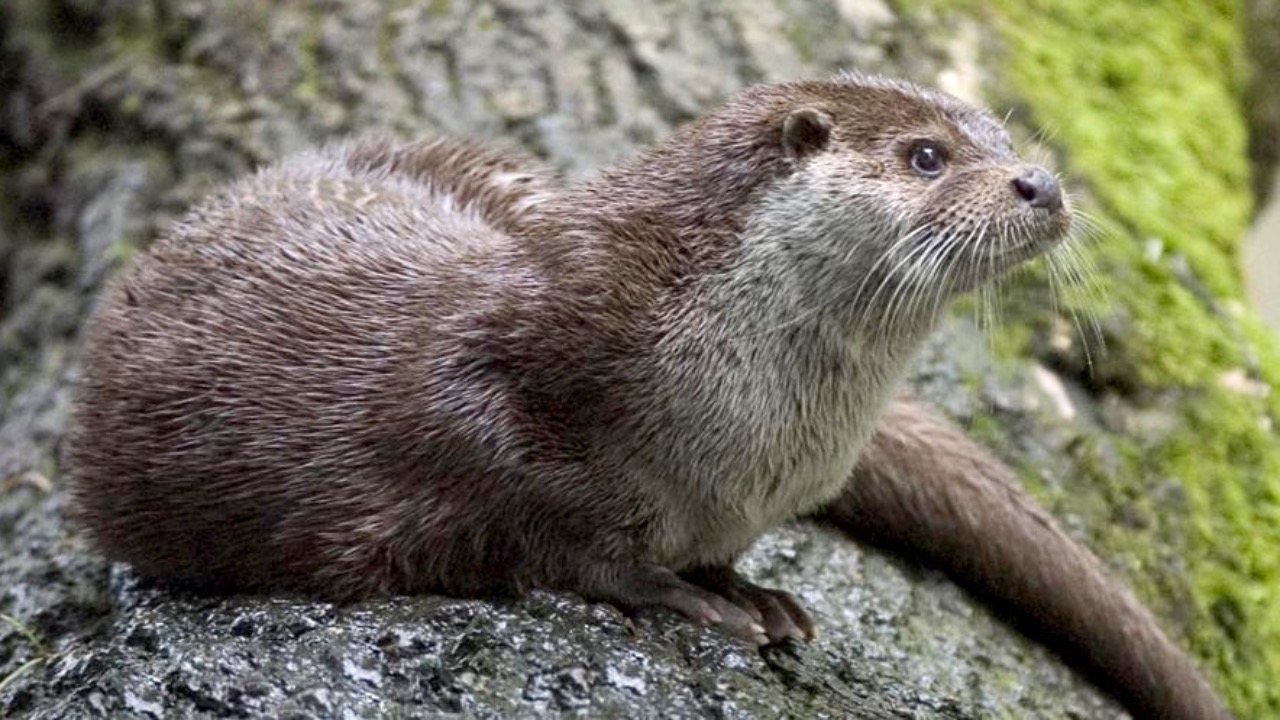
River otters move through Washington’s waterways with remarkable ease. They hunt fish and other prey across rivers, lakes, and coastal areas like Puget Sound. Most of the time they steer clear of people, but territorial instincts can surface, especially around food sources or young. State wildlife officials track only a handful of human encounters each decade, making this Bremerton case stand out. The animals stay mostly aquatic yet climb onto docks or banks when needed. Their playful reputation sometimes masks how quickly they can react when they feel cornered.
Encounters spike in areas where humans and otters share the same narrow strips of waterfront. Marinas provide easy access to fish and shelter, drawing both groups closer together. Officials remind residents that otters remain wild and unpredictable by nature. They advise keeping distance and supervising children closely near the water. These guidelines reflect the balance people must strike when living alongside native species that have every right to occupy the same spaces.
When Wildlife Becomes a Hazard in Public Areas
Public spaces along the water invite families for walks and play, yet they also host animals that follow their own rules. River otters, seals, and even larger predators occasionally wander into view. When an attack occurs, attention turns to the managers of that space. Did they know about repeated sightings? Had they posted warnings or taken steps to guide people away from trouble spots? These questions surface every time wildlife crosses into human territory. The answers shape how much risk visitors accept simply by showing up.
In the Bremerton case, the marina served both residents and day visitors. That dual role raised the stakes for safety planning. Ports and parks across the country face similar pressures as wildlife populations adapt to human development. Some install signs, others adjust landscaping or patrol more often. The goal stays the same: reduce surprises without trying to eliminate nature entirely. People still bear some personal responsibility, but the shared environment demands shared vigilance.
Premises Liability and Wild Animals
Property owners and public agencies operate under premises liability rules when someone gets hurt on their land. For wild animals, the standard differs from rules that cover dogs or other domestic pets. No one owns a river otter in the legal sense, so strict liability rarely applies. Instead, courts look for signs of negligence. Did the manager know about a specific danger and fail to act? In Washington, that test focuses on whether reasonable care was taken to protect lawful visitors. The Bremerton settlement sidestepped a full court ruling on those points.
This legal framework leaves room for interpretation. A single isolated sighting might not trigger action, but a pattern of complaints could. Ports, cities, and state agencies weigh the cost of extra measures against the low odds of an attack. When an incident does happen, the settlement process often becomes the practical path. It acknowledges harm without rewriting the broader rules that treat wild animals as part of the natural backdrop rather than controllable property.
The Challenges of Proving Negligence Here
Building a case around wildlife negligence takes careful evidence. Families must show that managers had clear notice of trouble and chose to ignore it. In the Bremerton lawsuit, prior reports became central, yet the port maintained that nothing indicated an imminent risk. Courts weigh whether the response matched what a reasonable operator would do. Video footage helped establish the facts of the attack itself, but it could not settle the debate over earlier warnings. That gap explains why many similar claims end in compromise rather than verdict.
Proving negligence also means accounting for the wild card of animal behavior. Otters do not follow schedules or predictable patterns. Experts note that territorial shifts or food scarcity can spark sudden changes. These variables make it hard to hold any one party fully responsible. The legal system therefore leans toward settlements that spread the burden without declaring outright failure by the port or the family.
What This Means for Marina Operators
Marina managers now review their wildlife protocols with fresh eyes after cases like this. They consider posting clearer signs about otter activity, limiting access to certain docks during peak seasons, or working more closely with state fish and wildlife teams. The Bremerton settlement did not force major changes, but it served as a reminder that insurance and quick resolutions carry their own weight. Operators balance the desire to keep spaces welcoming with the need to limit exposure to unpredictable events.
Many waterfront facilities already partner with biologists to monitor local animal populations. They adjust docking layouts or add barriers where practical. The focus remains on prevention through awareness rather than control. For visitors who live aboard boats or spend full days at the marina, these adjustments matter most. The goal is to keep the waterfront open and vibrant while reducing the chances that a casual stroll turns dangerous.
Protecting Families Around Wildlife
Families heading to marinas or parks can take simple steps to lower risks around wildlife. Keep children close, avoid feeding animals, and steer clear of areas with recent sightings. Teaching kids basic respect for nature helps everyone stay safer. In places like Bremerton, where otters share the docks, awareness becomes part of the routine. Parents scan the waterline the same way they watch for boats or slippery surfaces. These habits do not eliminate surprises, but they cut down on close calls.
Communities also play a role by sharing information quickly when animals act out of character. Apps, signs, and local alerts keep everyone in the loop without causing panic. The Bremerton family’s experience shows that even careful planning cannot cover every possibility. Still, combining personal caution with responsible management creates the best defense against the rare but real moments when wild animals and people collide.

Asher was raised in the woods and on the water, and it shows. He’s logged more hours behind a rifle and under a heavy pack than most men twice his age.