15 essential bear survival skills for the backcountry
If you spend enough time in bear country, you’ll eventually realize that most trouble starts long before you ever see a bear. It starts with how you travel, how you camp, and how you handle food. Whether you’re in grizzly country out West or black bear habitat in the Appalachians, the fundamentals stay the same: reduce surprise, control scent, and know how to react when things go sideways.
These aren’t campfire myths or dramatic survival fantasies. These are practical skills that experienced backcountry hunters, anglers, and backpackers rely on every season. If you build these habits now, you won’t have to scramble for them when it matters.
Read the Country Before You Set Camp
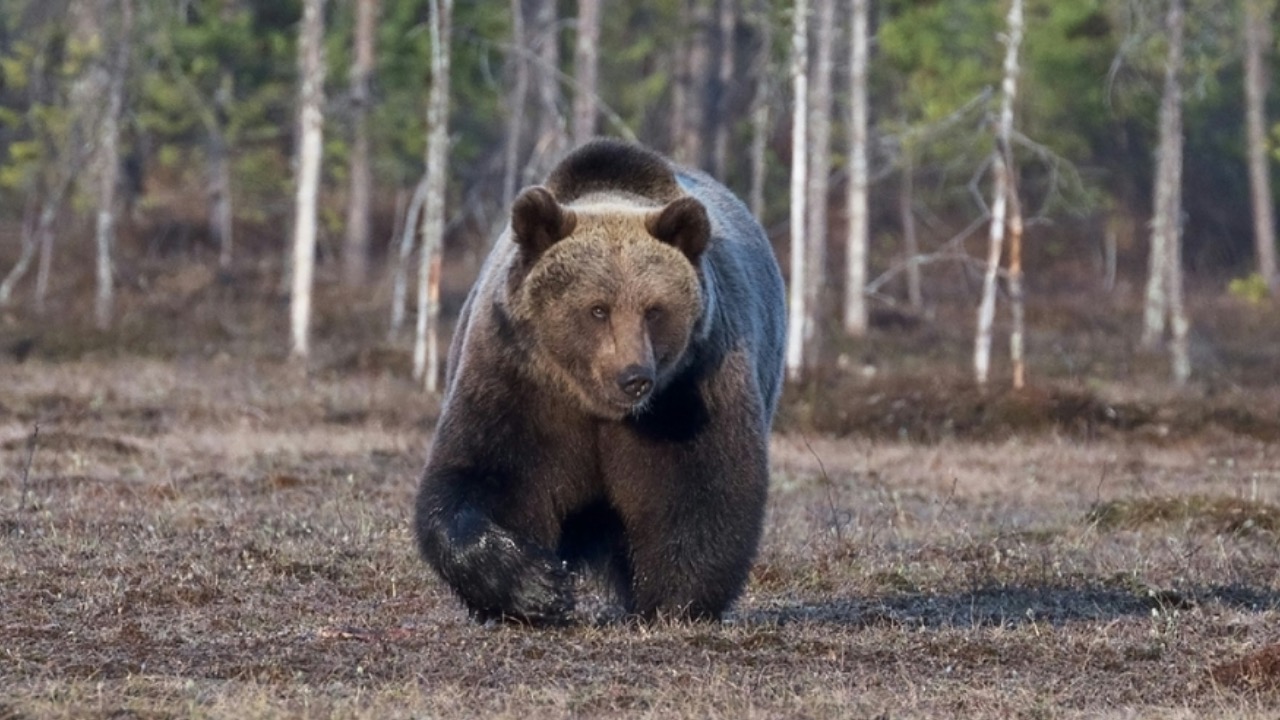
You don’t set up camp wherever you get tired. In bear country, you read the ground first. Look for tracks in soft dirt, overturned rocks, fresh scat, torn logs, or berry patches that are getting worked over. If you see multiple signs in one area, that’s not where you sleep.
Pay attention to terrain funnels like creek bottoms, saddles, and game trails. Bears use the same travel routes year after year. Camping in those corridors increases your chances of a nighttime visitor. You want visibility, distance from heavy cover, and an area that doesn’t concentrate natural food sources. A smart campsite decision prevents more problems than any piece of gear ever will.
Manage Your Scent Beyond the Obvious
Most people think food is the only scent that matters. It isn’t. Toothpaste, sunscreen, wet wipes, deodorant, and even fuel canisters carry odor. You need to treat anything with a smell as an attractant.
Keep scented items sealed and stored away from where you sleep. In established bear country, that usually means hanging food properly or using certified bear-resistant canisters. Don’t cook in the same spot you bed down. Create distance between your sleeping area, your cooking area, and your food storage. Think in terms of separation, not convenience. Bears follow their noses for a living. You don’t want yours leading them into camp.
Make Noise with Purpose
Surprising a bear at close range is one of the most common triggers for defensive encounters. You can prevent a lot of those situations by making your presence known. Talk out loud, call to your partner, clap occasionally when moving through thick brush, or when rounding blind bends near water.
You’re not trying to scare every animal out of the drainage. You’re trying to avoid startling a bear at twenty yards. In windy conditions, near rushing creeks, or in heavy timber, sound doesn’t carry well. Increase your volume in those areas. Let bears know you’re human and coming through. Most of them would rather avoid you than deal with you.
Recognize Defensive vs. Predatory Behavior
Not all bear encounters are the same. A defensive bear often reacts because you’re too close to cubs, a carcass, or its personal space. You may see huffing, jaw popping, swatting at the ground, or a short bluff charge.
Predatory behavior looks different. A bear that circles, stays quiet, or follows you deliberately without obvious agitation deserves serious attention. It may approach with focused interest instead of explosive emotion. Your response depends on what you’re seeing. Understanding the difference keeps you from overreacting in one scenario or underreacting in another. Observation matters as much as courage.
Carry Bear Spray—and Know How to Use It
Bear spray is one of the most effective deterrents available in close-range encounters. But it only works if you carry it where you can reach it instantly. That means on your belt or chest strap, not buried in your pack.
Practice removing the safety and presenting the canister smoothly. Understand wind direction before deploying it. You’re creating a cloud barrier, not aiming like a pistol. Effective range is typically around 25 to 30 feet. If a charge comes, you want muscle memory, not hesitation. Spray has proven effective in both grizzly and black bear encounters when used correctly and promptly.
Keep a Clean Kill Site
If you’re hunting and you put an animal down, your work isn’t over when the tag goes on. A carcass can draw bears quickly, especially in areas with high densities. After field dressing, move meat away from gut piles if possible.
Work efficiently and stay alert. Make noise while packing out. If you have to leave meat overnight, hang it high and away from heavy cover. Approach cautiously when you return. Scan the area before walking in. Bears will claim an easy meal without hesitation. Treat every return to a kill site as a potential encounter, not a routine chore.
Avoid Traveling at Dawn and Dusk in Dense Cover
Low light is prime movement time for bears, especially during feeding seasons. If you’re hiking through heavy brush at first or last light, you’re stacking the odds against yourself.
Plan your routes to minimize blind travel during those windows. If you have to move, increase your noise and stay alert. Visibility drops fast in timber, and reaction time shrinks with it. Bears rely heavily on scent and hearing, but limited sightlines still create close encounters. Giving yourself better light improves your ability to read body language and respond early.
Know When to Stand Your Ground
If you encounter a bear at close range, running is rarely the right answer. You won’t outrun it, and you may trigger pursuit. Instead, stay facing the animal. Speak in a firm, calm voice. Slowly increase your size by raising your arms if appropriate.
If it’s a defensive grizzly and contact happens despite your efforts, playing dead may stop the attack once the bear perceives the threat as neutralized. With a predatory black bear, you fight back aggressively if contact occurs. These are hard truths, but knowing them ahead of time prevents panic from making the decision for you.
Control Food Waste and Greywater
Leftover food scraps and dishwater might seem harmless, but they carry strong scent. Don’t dump greywater near camp. Strain out food particles and pack them out, then scatter wastewater well away from sleeping areas.
Grease and crumbs linger. Clean cookware thoroughly and store it with other scented items. Bears investigate smells methodically. If your camp smells like cooking oil and bacon grease, you’re advertising. Small habits add up. Keeping a tight camp reduces the chances that curiosity turns into confrontation.
Watch the Wind When Glassing or Calling
When you’re stationary—glassing a basin or calling predators—wind direction matters as much as visibility. Bears often circle downwind to confirm what they’re sensing.
If your scent cone drifts into heavy cover behind you, you’re inviting a close approach without knowing it. Position yourself with clear lines of sight downwind when possible. Periodically check over your shoulder. Bears move quietly when they want to. Don’t let tunnel vision while watching game create a blind spot that puts you in a bad position.
Understand Seasonal Feeding Patterns
In spring, bears focus on green-up and winterkill. In late summer and fall, they key in on berries, salmon runs, agricultural edges, and gut piles during hunting seasons.
If you know what they’re eating, you know where they’ll be. Avoid camping near active food sources. Expect higher bear traffic in productive drainages and riparian zones during peak feeding times. When food availability spikes, so does bear movement. Align your travel and camp decisions with what’s happening on the landscape.
Keep Your Head on a Swivel in Thick Timber
Heavy timber and alder-choked creek bottoms demand heightened awareness. Sound is muffled, and sightlines shrink to a few yards. Slow down. Pause occasionally and listen before pushing forward.
Look for fresh sign as you move. Broken branches at shoulder height, steaming scat, and strong musky odor are indicators you’re close. In tight quarters, encounters happen fast. A slower pace gives you seconds you wouldn’t otherwise have. Seconds matter in bear country.
Travel in Groups When Possible
Multiple people make more noise, present a larger visual profile, and reduce the likelihood of a bear approaching closely. Groups are statistically less likely to experience serious attacks compared to solo travelers.
Spread out slightly but maintain visual contact. Don’t string out so far that someone rounds a bend alone. Communication is key. If one person spots a bear, everyone needs to know immediately. Cohesion reduces confusion. Even experienced solo woodsmen gain an added margin of safety when traveling with a partner.
Secure Livestock and Game Meat Quickly
If you’re packing stock or working in remote camps, unattended feed and carcasses can attract bears fast. Grain, salt blocks, and saddle bags carry scent. Keep feed secured and camps tidy.
When handling harvested game, prioritize cooling and hanging meat promptly. Minimize the time strong scent spreads across the area. The faster you manage attractants, the less likely you are to compete with a bear for your own hard-earned meat. Efficiency keeps risk down.
Keep Composure Under Pressure
The most important survival skill isn’t gear or tactics. It’s control. Bears read body language. Sudden movement, shouting in panic, or turning to run escalates situations.
Slow your breathing. Think before you act. Draw on training and preparation instead of emotion. Encounters unfold quickly, but panic makes them worse. Calm, deliberate responses give you the best chance to walk away. In bear country, steady nerves often matter more than strength.

Asher was raised in the woods and on the water, and it shows. He’s logged more hours behind a rifle and under a heavy pack than most men twice his age.