Lab-Grown Meat Banned in More States – Is Your Burger About to Change Forever?
Lab-grown meat sits at the center of a quiet but intense standoff between regulators, ranchers, and a small group of startups. Federal agencies have cleared a handful of cultivated chicken products for sale after safety reviews, yet seven states have stepped in to block them entirely from reaching grocery shelves or restaurant menus. These prohibitions target the manufacture, sale, and distribution of meat grown from animal cells in controlled environments rather than raised on farms. For anyone who follows food trends or simply wants options at the meat counter, the development raises practical questions about supply chains, local economies, and what ends up on your plate next time you fire up the grill. The bans have gained traction quickly since the first ones passed in 2024, and they show no sign of slowing.
A Handful of States Have Now Drawn the Line
Seven states now prohibit the sale or production of cultivated meat. Florida and Alabama led the way in 2024. Mississippi, Montana, Nebraska, Indiana, and Texas followed in 2025. Each law bars companies from making, selling, or distributing products grown from animal cells in bioreactors. Some bans carry stiff penalties, including fines or even jail time for repeat violations. Indiana and Texas wrote temporary versions that expire in 2027, while the others stand as permanent restrictions.
These measures reflect a coordinated push in states with strong livestock sectors. Ranchers and cattlemen’s associations stood beside governors during the signings, arguing that traditional meat production supports rural jobs and communities. The laws do not touch plant-based burgers or other meat substitutes. They focus strictly on cell-cultured proteins that mimic the real thing at a cellular level. If you live in one of these states, the decision means certain high-profile items simply will not appear in stores or on menus anytime soon.
What Goes Into Producing Meat in a Lab
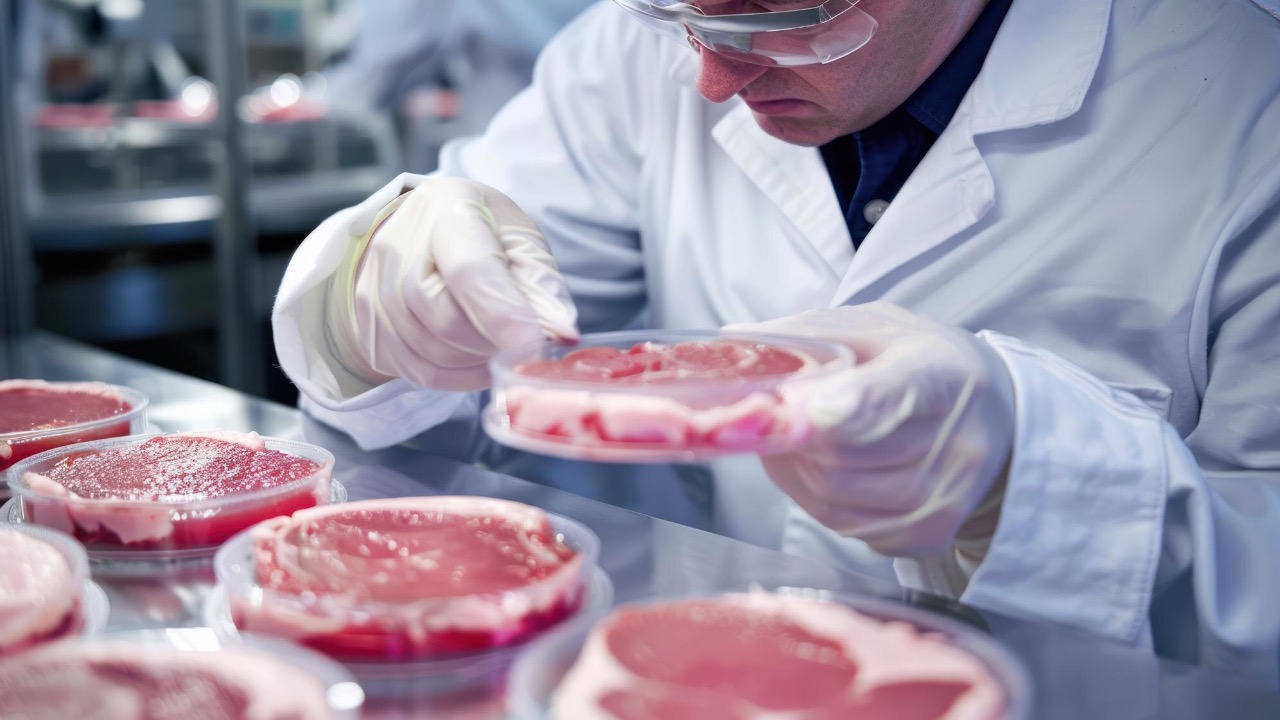
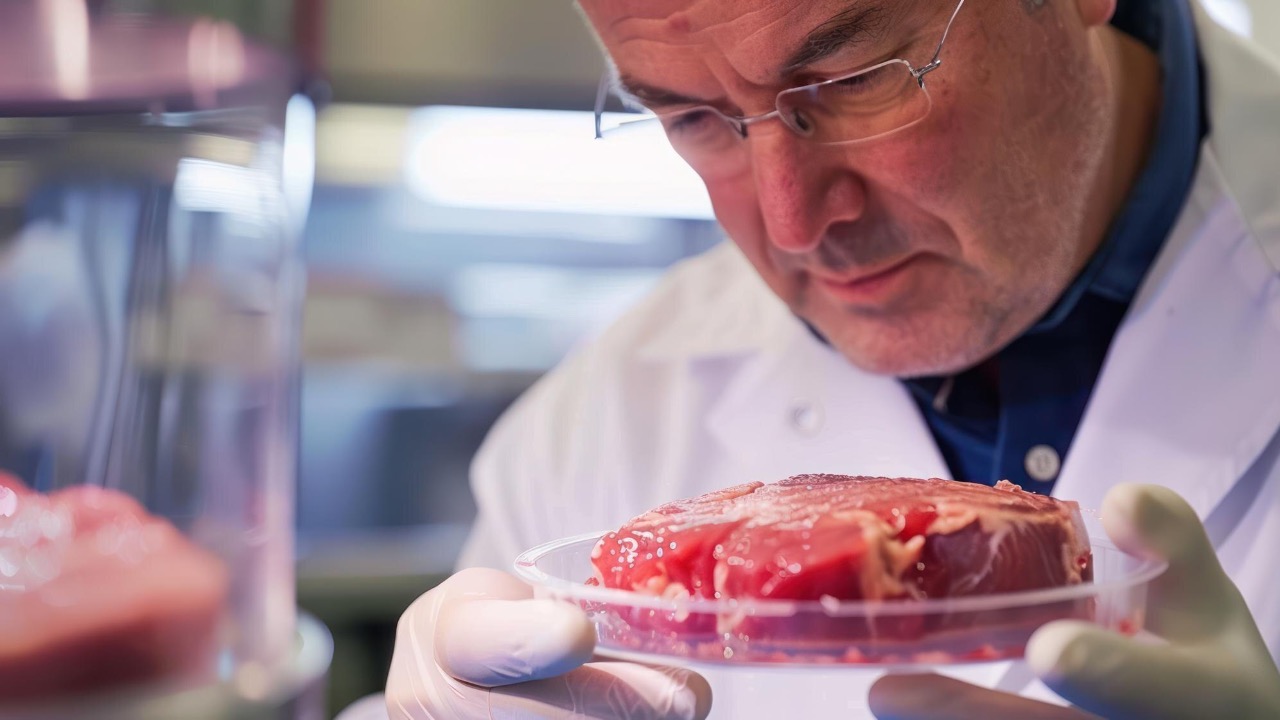
Cultivated meat starts with a small sample of animal cells, often taken from a living donor without harm. Scientists place those cells in large bioreactors filled with nutrients, salts, and growth factors. The cells multiply and form muscle tissue over days or weeks. The end result looks and tastes like conventional meat once harvested and processed. Companies such as Upside Foods and Good Meat have refined the process for chicken, earning federal approval after rigorous safety checks.
The method avoids the need to raise and slaughter whole animals. Proponents highlight lower land and water use compared with traditional livestock operations. Yet the technology still requires significant energy and specialized facilities. Scaling up to meet national demand remains a distant goal. Right now production volumes stay tiny, enough for a few restaurants at most. For you, that means even without bans the product would not flood the market overnight. The process delivers genuine animal protein, but it arrives through industrial tanks instead of pastures.
Federal Green Lights Versus State Roadblocks
The FDA and USDA have reviewed and approved cultivated chicken from two California companies. Their decisions confirmed the products are safe to eat and properly labeled. Those approvals opened the door for interstate commerce under federal rules. Yet states retain authority over sales within their borders, and several have used it to close that door.
The conflict creates a patchwork. You can find the chicken in limited spots in states without bans, mainly upscale restaurants in California. In banning states, even possession with intent to sell can trigger violations. Federal regulators do not override these local rules. The result leaves consumers in different parts of the country facing different options. Lawmakers in the restricting states argue they are protecting their residents and industries from an unproven technology, despite federal clearance. The divide highlights ongoing tension between national food policy and state-level priorities.
The Farming Communities Driving These Decisions
Lawmakers in these states point to the economic role of cattle, pork, and poultry operations. Nebraska and Texas rank among the top beef producers. Florida and Alabama maintain active ranching sectors that employ thousands. Supporters of the bans say cultivated meat could undercut those livelihoods by offering a direct substitute grown without feedlots or grazing land.
Cattlemen’s groups lobbied hard for the legislation. They view the technology as a threat to decades of investment in animal agriculture. Governors framed the bans as standing up for family farms and rural economies. Safety concerns also surfaced in debates, even though federal reviews found no issues. The message was consistent: real meat comes from animals raised on farms, not vats in laboratories. For communities tied to livestock, the laws preserve a way of life they see slipping away. If you buy beef or chicken from local producers, these arguments likely resonate with the values behind your purchases.
Penalties and Enforcement in the Banning States
Violations carry real consequences. Some states treat first offenses as misdemeanors with fines up to several thousand dollars. Repeat violations in places like Texas can rise to felonies. Health departments and agriculture agencies handle inspections and complaints. Retailers risk license suspension if they stock banned products.
The rules apply to manufacturers, distributors, and sellers alike. Restaurants cannot serve the items, and stores cannot display them. Enforcement focuses on commercial activity rather than personal possession for private use. These details matter if you travel or order online. A package shipped into a banning state could create legal headaches for the seller. The approach aims to stop the products before they reach you rather than punish individual buyers after the fact.
Court Rulings That Have Tested the Laws
Upside Foods challenged Florida’s ban shortly after it passed, claiming it violated the Constitution and conflicted with federal authority. A federal appeals court upheld the law in early 2026, ruling that states can regulate sales within their borders. Similar lawsuits have surfaced in Texas, but outcomes remain pending in some cases.
The decisions so far favor the states. Judges have recognized the authority to protect local agriculture and consumer expectations about meat. Companies continue exploring their options, but the rulings have slowed momentum. For you, the legal wins mean the bans are likely here to stay in those seven states unless higher courts or legislatures step in. The cases underscore how quickly policy can outpace a young industry.
How This Affects What Ends Up on Your Plate
In banning states, your burger options stay rooted in conventional supply chains. Grocery coolers and restaurant menus will not feature cultivated chicken or beef for the foreseeable future. The change feels minor today because the products were never widespread to begin with. Yet it closes off one potential path for diversification.
Travelers or online shoppers notice the difference more clearly. A product available in California might be illegal to sell in Texas or Florida. The restrictions keep prices and availability tied to traditional farming for now. If you care about sourcing, traceability, or supporting local ranchers, the laws reinforce those choices. They do not eliminate all alternatives, but they limit one specific category that promised to blend animal protein with lab efficiency.
The Technology’s Hurdles Beyond the Bans
Even without state restrictions, cultivated meat faces steep production costs and scaling challenges. Facilities cost millions to build and run. Nutrient media remain expensive. Output from current plants covers only a fraction of what the country eats. Companies talk about eventual price parity, but timelines stretch years into the future.
Consumer acceptance adds another layer. Taste tests show promise, yet many people remain wary of meat grown in tanks. Marketing must overcome skepticism about “lab” origins. These barriers existed long before the bans and explain why the products have not reached most tables. The state laws simply add one more obstacle on top of existing technical and market realities. Progress continues in other countries and a few U.S. pockets, but nationwide impact still looks distant.
What the Debate Says About Food Choices Ahead
The bans highlight deeper questions about how you source protein in the coming decades. Traditional ranching delivers familiar flavors and supports established communities. Cultivated meat offers a different route that avoids slaughter and reduces some environmental pressures. Neither side has won the argument outright.
For now, the seven states have chosen to back the farms that have fed the country for generations. You retain access to beef, chicken, and pork raised the old-fashioned way. The conversation will likely evolve as technology improves or national policy shifts. In the meantime, your burger remains unchanged in those places. The real test will come when the industry proves it can deliver at scale without the legal barriers standing in the way. Until then, the landscape stays familiar, shaped by the priorities of the states where you live and shop.

Asher was raised in the woods and on the water, and it shows. He’s logged more hours behind a rifle and under a heavy pack than most men twice his age.