Former prosecutor calls testimony in White House shooting case ’embarrassing’
The chaos at one of Washington’s most watched evenings still lingers. When security failed at the White House Correspondents’ Dinner, it exposed cracks in protection for high-profile gatherings. A suspect pushed through with weapons and reached close enough to fire shots. Officials moved fast to contain it, yet questions remain about how it happened and what the early evidence really shows. Former prosecutors watching the proceedings have raised concerns about how some details hold up under scrutiny.
Security lapses at a high-stakes gathering
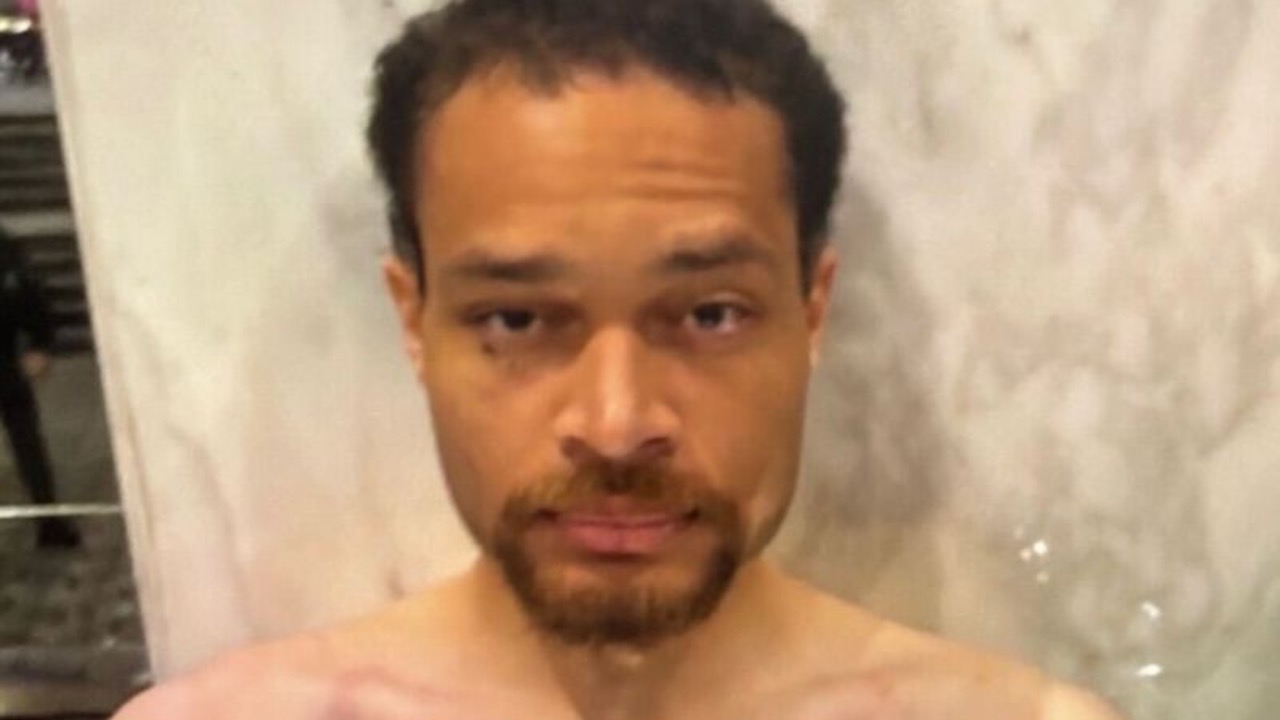
Attendees at the Washington Hilton found themselves in sudden danger when the suspect rushed a checkpoint. Secret Service agents and local officers responded, but the breach happened quickly enough to cause panic inside the ballroom. President Trump and other officials needed swift evacuation while law enforcement tackled the armed man. Reports later confirmed a Secret Service officer took a hit to a protective vest.
The incident has prompted fresh reviews of screening procedures for large events in the capital. Video evidence released by prosecutors shows the suspect moving through the area the day before and during the attempt. Observers note that getting that far with multiple weapons raises basic questions about magnetometers and layered checks that usually operate at these dinners.
Details on the suspect and his background
Cole Tomas Allen, a 31-year-old from California, worked as a tutor and had training in mechanical engineering. He also dabbled in video game development. Authorities say he traveled across the country carrying a shotgun, handgun, knives, and other items. A message attributed to him referred to himself in terms that suggested broader grievances with current administration policies.
Investigators describe him as acting alone. His background lacks obvious prior flags that would have drawn attention in standard checks. That fact has left many wondering how someone without a long record could prepare and execute an approach like this at a heavily attended event.
Charges and the prosecution’s early moves
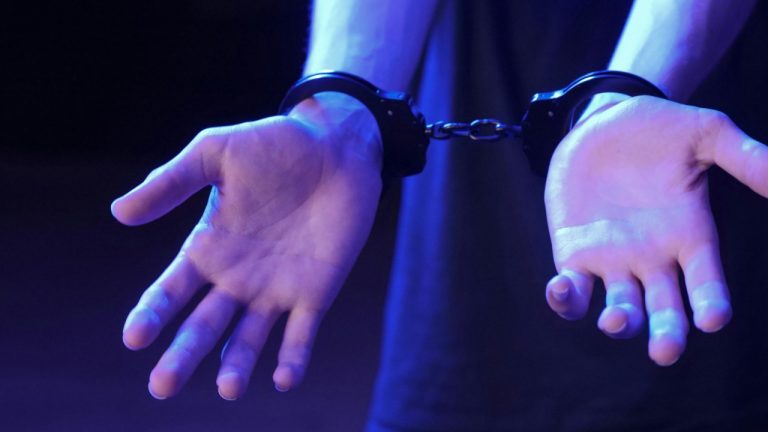
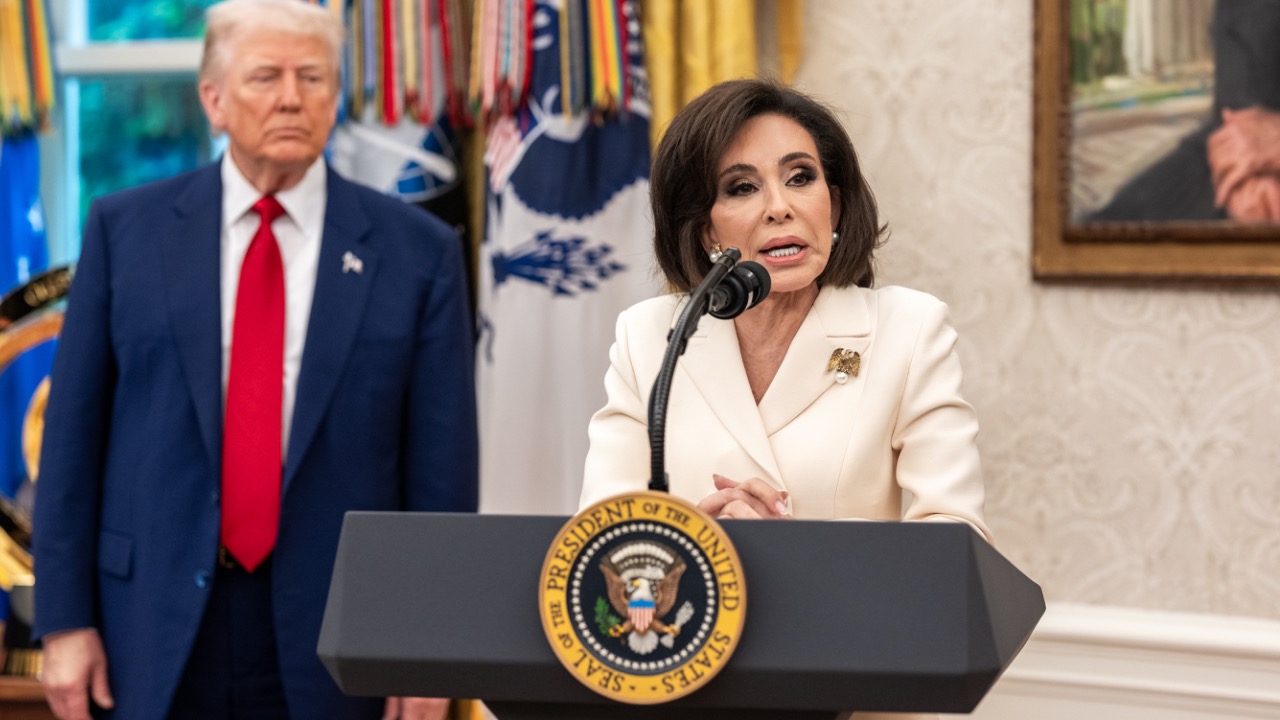
Federal prosecutors charged Allen with attempted assassination of the president along with firearms violations that carry serious penalties. U.S. Attorney Jeanine Pirro, who has a long history in law enforcement, released surveillance footage to support the case. The clips reportedly capture the moment shots were exchanged and the suspect’s movements beforehand.
The government pushed for detention while the case builds. Allen agreed to remain in custody for now during initial hearings. Prosecutors emphasize the intent to harm senior officials based on items found and his path toward the main gathering area.
Questions raised about the video evidence
Defense attorneys have pushed back on parts of the released footage. They argue it does not clearly show a muzzle flash from the suspect’s shotgun and question whether ballistics fully align with the government’s account of who fired what. These points surfaced quickly in court filings as the case heads toward fuller proceedings.
Such challenges are common early on, yet they highlight how visual evidence can spark debate. Prosecutors maintain the overall record supports their theory, including recovered fragments consistent with buckshot and witness accounts from the chaotic scene.
Former prosecutors weigh in on the presentation
Experienced voices from past federal cases have called certain aspects of the early evidence handling embarrassing. They point to gaps in how quickly clear proof was assembled and shared, especially when public videos circulate fast. In their view, stronger corroboration should have been locked down before public statements set expectations.
These comments reflect broader standards in high-profile prosecutions. When testimony or supporting materials later face pushback, it can weaken confidence in the process. Legal watchers expect more detailed hearings to test the strength of each side’s claims.
Broader implications for event security
The breach at a dinner packed with journalists, officials, and dignitaries has renewed focus on protecting large political and media gatherings. Officials are examining communication between agencies and the placement of checkpoints. Even with quick action that prevented worse harm, the near-miss stands out.
Longer-term reviews could shape future protocols in Washington. The episode shows how a single determined individual can test systems designed for much larger threats, forcing updates that balance access with safety.
Reactions and the road ahead
Public discussion split along familiar lines after the shooting. Some stressed the need for tighter controls while others examined the suspect’s writings for clues about motivation. FBI Director Kash Patel, who was present, joined updates on the investigation.
The case will move through federal court with attention on both the facts of the attempt and the reliability of evidence. Early exchanges between prosecution and defense suggest a contentious path. For now, the incident serves as a reminder of vulnerabilities that persist even in guarded settings.

Asher was raised in the woods and on the water, and it shows. He’s logged more hours behind a rifle and under a heavy pack than most men twice his age.