10 Lessons You Only Learn the Hard Way in the Field
You can read all the books, watch all the YouTube videos, and listen to every podcast—but some lessons won’t stick until you learn them the hard way. The field has a way of humbling you fast. Whether you’re hunting, surviving, or running drills, there are mistakes that flat-out won’t show up until you’re out there doing the thing for real.
These are the hard-earned lessons that nobody hands you for free. You either figure them out…or pay for it.
Wet Gear Will Ruin Your Trip Faster Than Anything
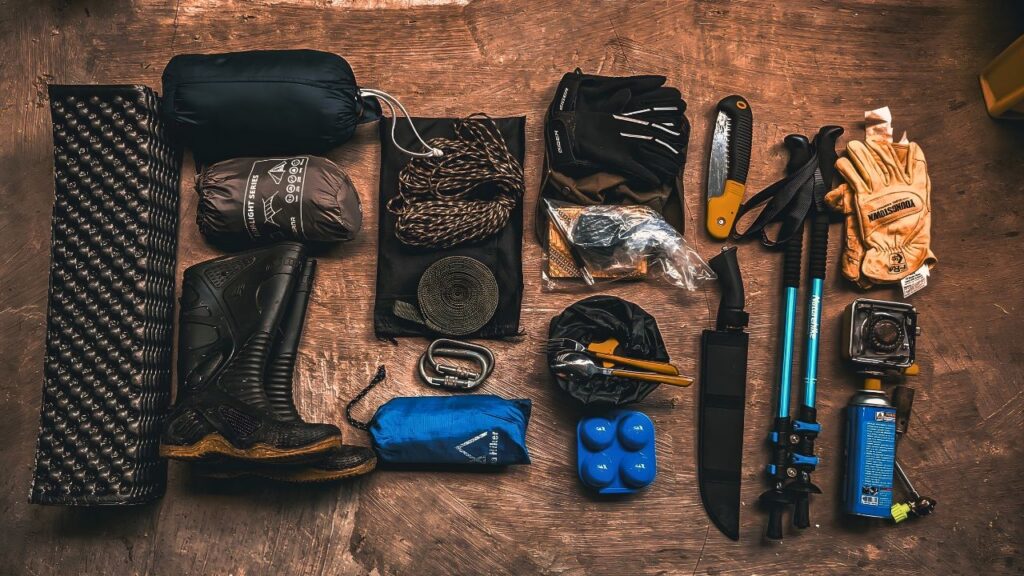
It only takes one cold, wet night to realize how unforgiving moisture can be. You might think you can tough it out—but soaked boots, a damp sleeping bag, or a fogged optic will prove otherwise real quick.
Every seasoned guy has a story that starts with, “I didn’t think it was gonna rain.” Waterproof your gear. Dry bags, waxed canvas, or even garbage bags are cheap insurance. Skip this step once, and you won’t skip it again.
Cheap Glass Will Fail You When It Matters Most
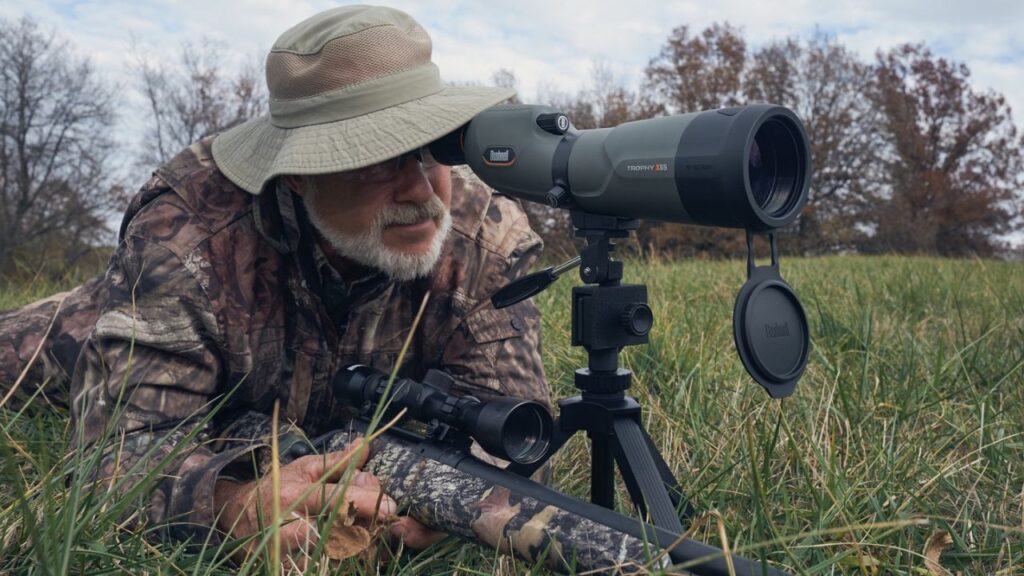
That bargain optic looks fine at the range. Get it in the field—low light, harsh angles, or rough weather—and you’ll see how fast it falls apart. Missed shots, fogged lenses, broken mounts…it’ll cost you.
Good glass isn’t about looking fancy. It’s about being able to actually spot game, read terrain, and take clean shots when conditions are terrible. You don’t need the most expensive scope on the shelf, but you do need one that holds zero and doesn’t cloud over the second moisture hits.
Knots Aren’t Optional Survival Skills
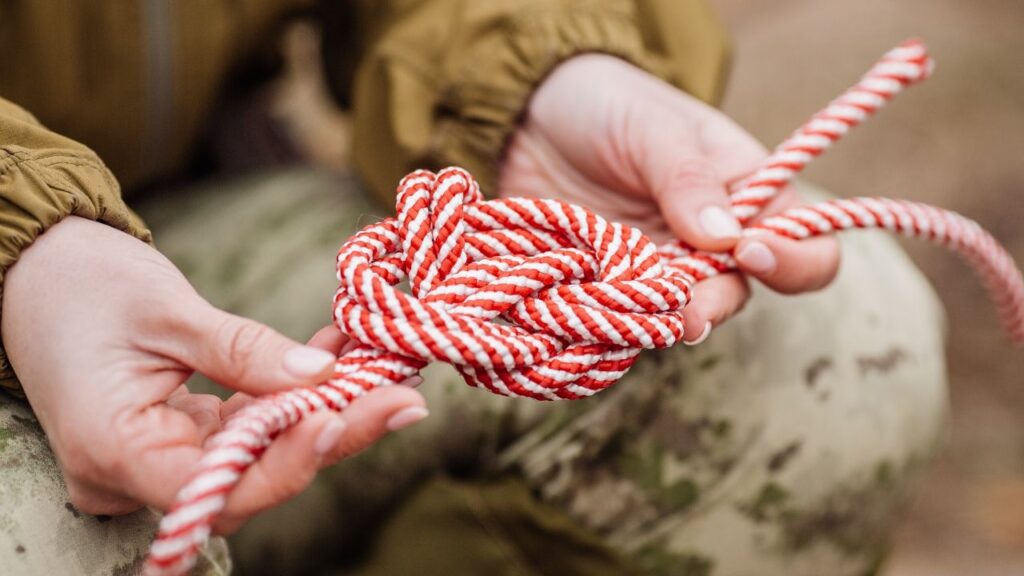
You don’t realize how much knots matter until you need something to hold—and it doesn’t. Whether it’s building shelter, hanging meat, or securing gear, a bad knot can ruin your whole setup.
Half the folks running around with survival kits can’t tie anything beyond a granny knot. Learn a bowline, taut-line hitch, and trucker’s hitch. That covers 90% of what you’ll ever need. Skip this, and eventually the wind, weight, or tension will remind you.
Fire Prep Takes Longer Than You Think
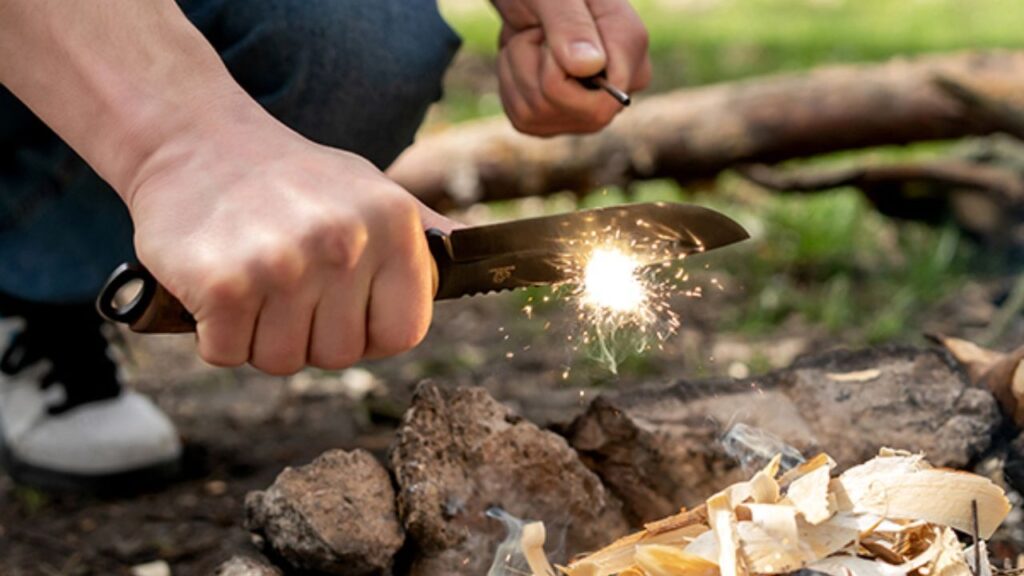
If you wait until you’re cold to start gathering tinder, you’ve already lost. Fire prep isn’t glamorous. It’s tedious, especially when the wind’s up or everything’s damp.
What most guys get wrong? They think they have enough. Triple it. Then triple it again. The guy who’s warm is the guy who spent 20 minutes gathering pencil-thin kindling before he ever struck a spark.
You Never Have Enough Water

Nothing humbles you faster than running out of water miles from camp. It hits harder than hunger, fatigue, or sore feet. Suddenly every step feels heavier, every ridge looks taller.
Carrying enough water is only part of it. Knowing how to find it, filter it, and plan for it is the real skill. Always assume it’s farther to the next source than you think. And when you find water? Drink deep, then refill everything.
Your Gear Will Always Find the Weakest Link
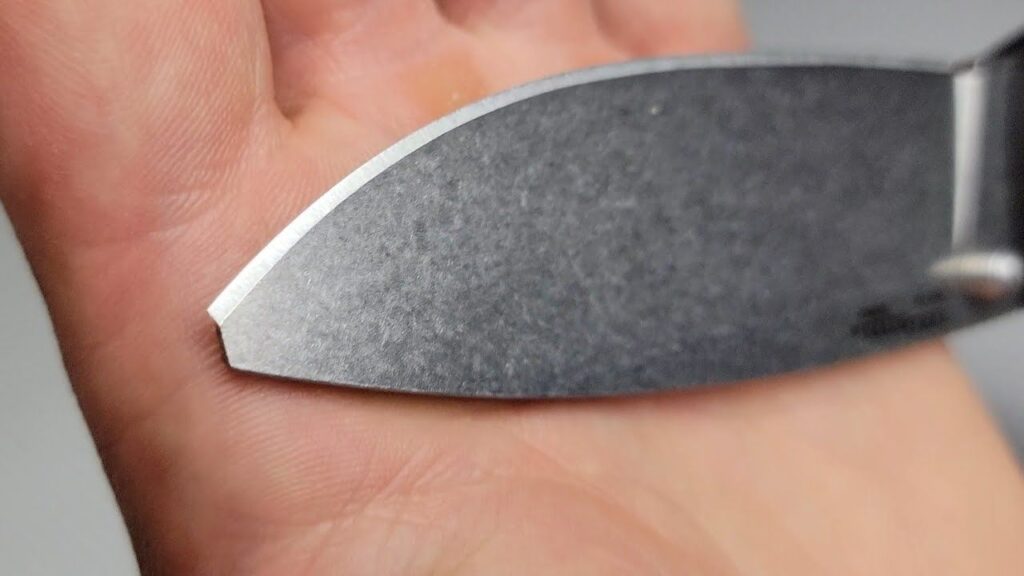
Doesn’t matter how expensive it was or how cool it looked online—if there’s a weak seam, loose screw, or brittle buckle, the field will find it. Usually when it’s least convenient.
This is why field-testing gear matters. Before it counts, wear it, use it, abuse it. Walk a few miles with it. Build with it. Pack it, unpack it, and see where it fails. You’d rather figure it out at home than halfway into a backcountry trek.
You’re Not As Quiet As You Think You Are
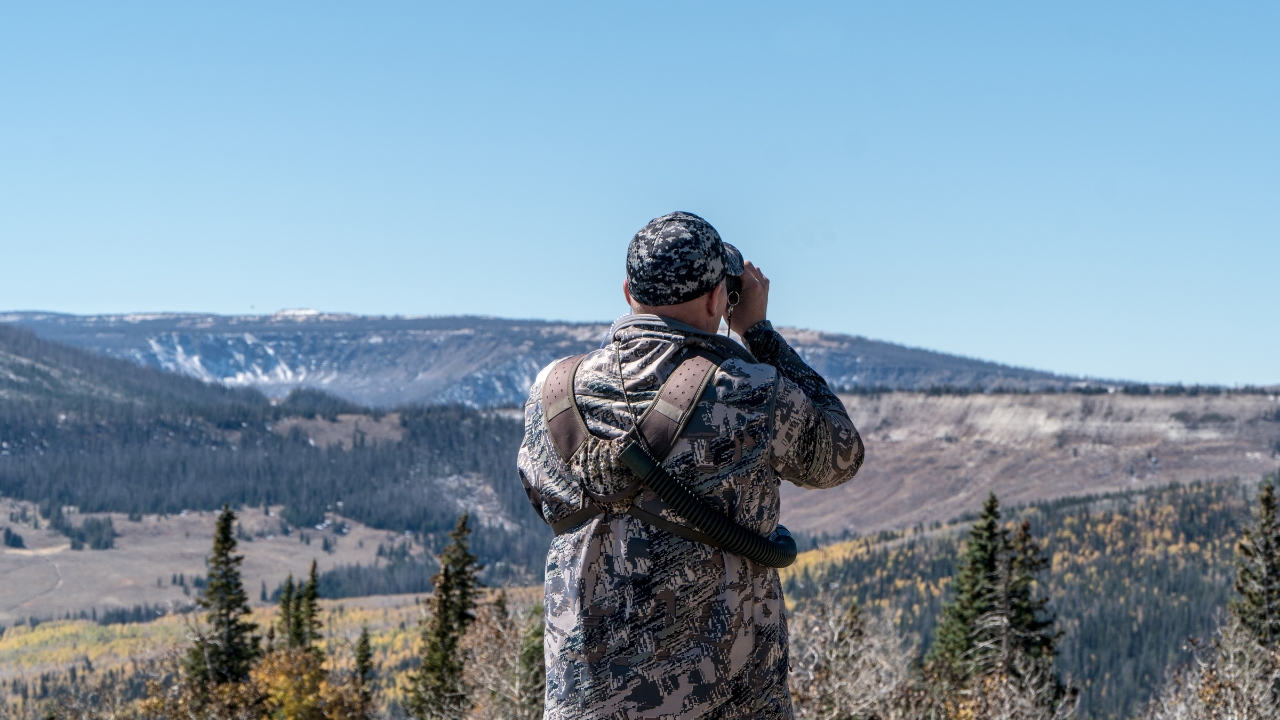
There’s a moment when you freeze—thinking you’re moving stealthy—and realize everything within a mile heard you snap that twig. Animals notice. People notice. And sometimes, that matters more than anything.
It’s not about tiptoeing. It’s about understanding how sound moves. Soft-soled boots, moving with terrain, and pausing more than you walk makes all the difference. You figure this out quick the first time you blow a stalk or spook game you never even saw.
Fatigue Makes Smart People Dumb
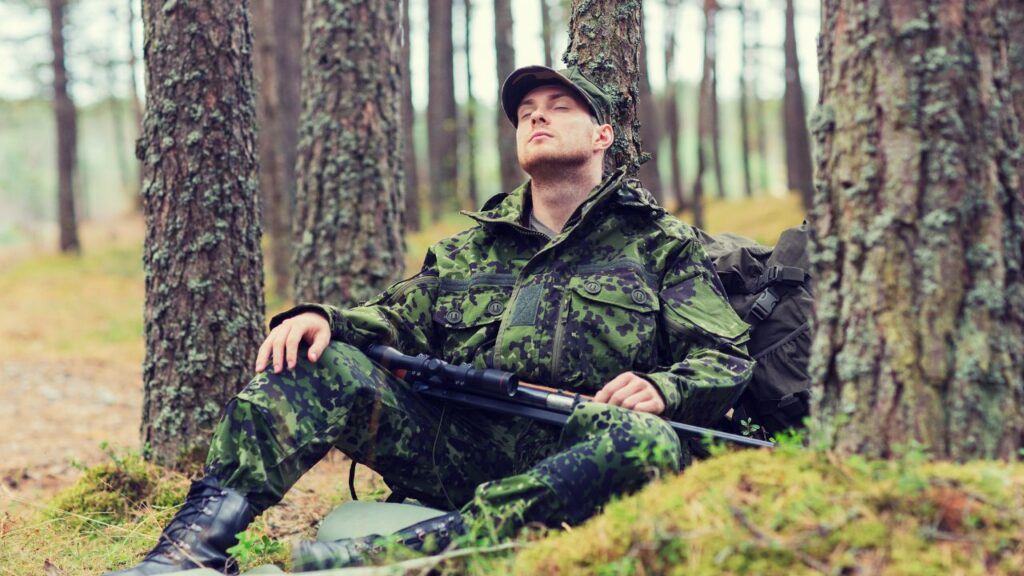
It sneaks up on you. One hour turns into four. Then suddenly, you realize you’re dehydrated, hungry, and your decision-making is garbage. This is when accidents happen.
Fatigue strips away good judgment faster than anything. You skip safety checks. You forget steps. You start gambling with choices you wouldn’t even consider back at camp. Food, water, and rest aren’t luxuries—they’re what keeps your head working right when it counts.
Comms Fail Faster Than You Expect
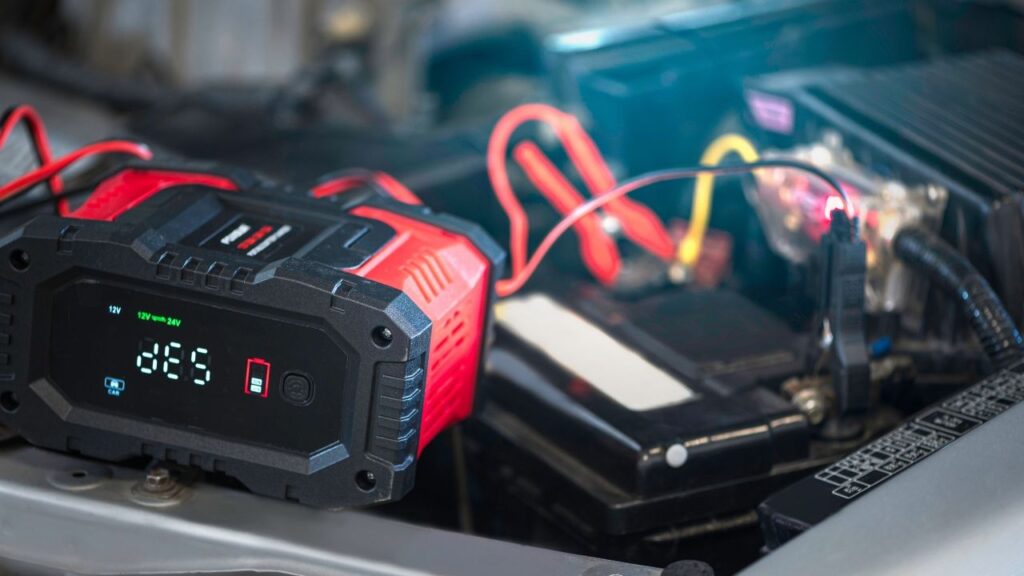
Radios die. Signals vanish. Batteries drain. That feeling when you realize you’re alone, and nobody’s hearing you—it’s real. And it’s gut-check time.
Test comms before you split up. Carry backups. Handheld radios are great until they’re not, and cell service can’t be trusted. Even the best tech is worthless if you didn’t agree on a fallback plan when everything stops working.
The Field Doesn’t Care About Your Ego
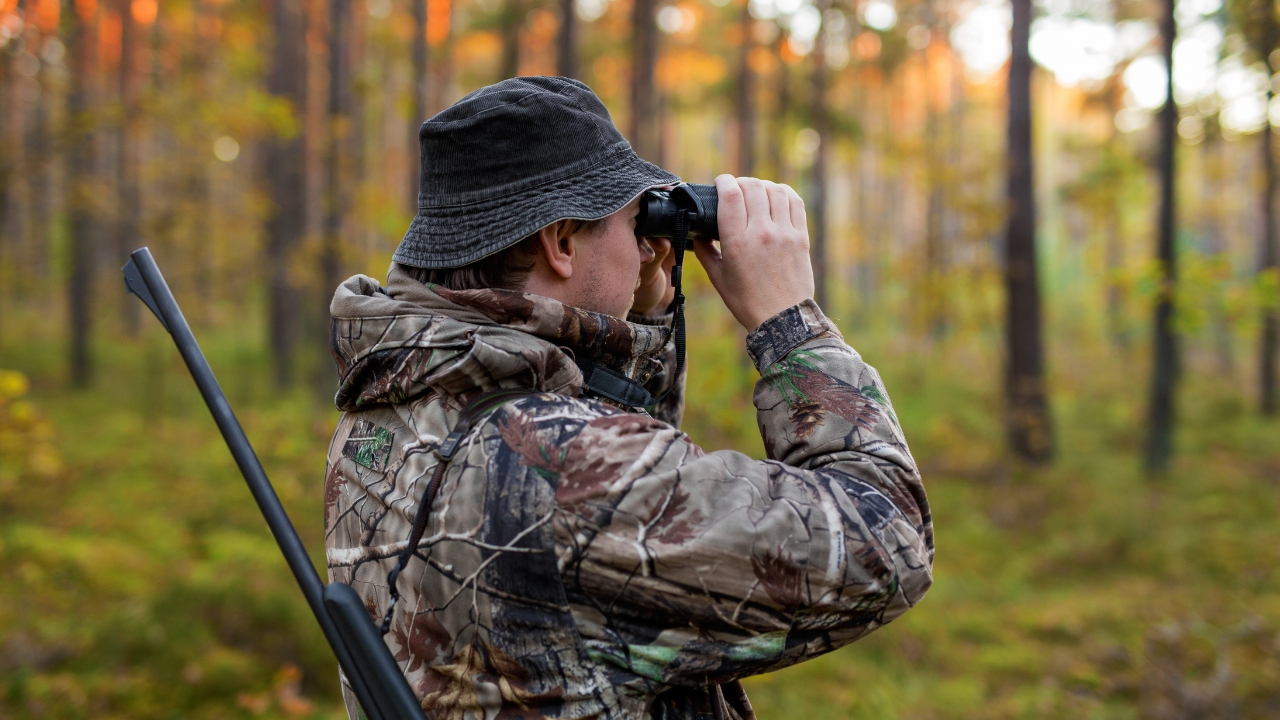
The woods, the mountains, the weather—they don’t care what you think you know. They don’t care how tough you think you are. The minute you start thinking you’ve got it all figured out, that’s when it humbles you.
There’s always something to learn. The guy who stays sharp is the one who assumes he doesn’t know it all. Out here, experience gets written in bruises, busted gear, and missed shots. And that’s exactly why it sticks.

Leo’s been tracking game and tuning gear since he could stand upright. He’s sharp, driven, and knows how to keep things running when conditions turn.