Enola Gay pilot who dropped atomic bomb on Hiroshima chose to forgo funeral at end of life
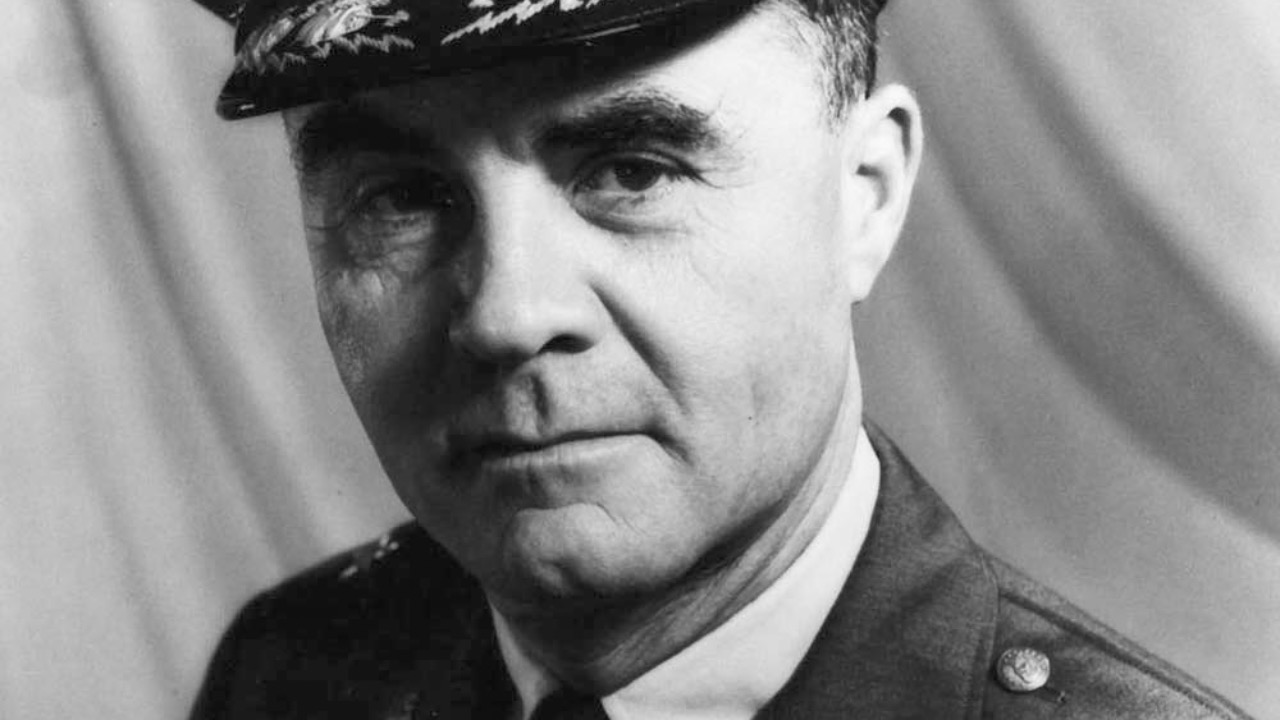
Paul Tibbets flew the mission that brought the atomic age into being. On August 6, 1945, he commanded the B-29 Enola Gay as it released the first atomic bomb used in combat over Hiroshima. The event ended one war and opened debates that continue today. Tibbets lived with the consequences of that flight for more than six decades, defending the decision while navigating public scrutiny. His life offers a window into the weight of command during total war and the personal costs that followed.
Early Path to Command
Tibbets grew up in Illinois and showed an early interest in flying. He joined the Army Air Corps before the United States entered World War II and built a reputation as a skilled pilot. By the early 1940s, he had flown combat missions in Europe and tested new aircraft, including the B-29 Superfortress. His experience with high-altitude bombing and leadership made him a natural choice for special assignments. When the atomic bomb project needed someone to organize and lead the delivery effort, military leaders turned to him.
He assembled the 509th Composite Group and oversaw training in secrecy. The unit practiced precise maneuvers over the Pacific to prepare for a single, high-impact strike. Tibbets selected the aircraft and even named it after his mother. These preparations reflected years of accumulated expertise rather than any sudden inspiration. By the summer of 1945, everything converged on Tinian Island.
The Hiroshima Mission
You picture the early morning departure from Tinian on August 6. Tibbets sat at the controls of the Enola Gay as it carried the uranium bomb known as Little Boy. The flight lasted nearly six hours before the release at 8:15 local time. The crew observed the flash and rising cloud from a safe distance after executing a sharp turn. Tibbets later described the mission as straightforward from a technical standpoint, with no major complications during execution.
The bomb devastated a large portion of Hiroshima and hastened Japan’s surrender days later after a second strike on Nagasaki. Estimates of immediate deaths ranged from 70,000 to over 100,000, with more casualties in the weeks and months that followed. Tibbets viewed the action as necessary to avoid a prolonged invasion of the Japanese home islands. He maintained that perspective throughout his life.
Years After the War
Tibbets stayed in the Air Force after 1945 and rose to brigadier general. He held various staff and command positions, including work on strategic planning and nuclear-related testing. Assignments took him to Europe and other posts where he continued contributing to military aviation. Retirement came in 1966, after which he moved into civilian work with an air charter company in Columbus, Ohio. There he focused on business operations rather than public commentary for many years.
Health issues appeared in his later decades, including strokes that limited his mobility. He lived quietly in Ohio and occasionally spoke about the 1945 mission when asked. Interviews showed a man comfortable with his record but weary of repeated questions about regret. He consistently answered that he had none, citing the lives saved on both sides by shortening the conflict.
Decision on Final Arrangements
As his health declined in 2007, Tibbets made his wishes clear. He wanted no funeral service and no headstone. Cremation followed his death on November 1 at age 92 in Columbus. His ashes were scattered over the English Channel, a stretch of water he had crossed many times during earlier wartime flights. The choice avoided creating a fixed location that could draw protests or vandalism from those who opposed the bombings.
This approach aligned with how he had handled public attention for decades. Tibbets preferred to let records and history speak without providing a physical focal point for ongoing disputes. No gravesite exists today, and no formal memorial service took place at the time of his passing.
Enduring Questions
Tibbets remains a figure tied directly to one of the most examined moments of the 20th century. Supporters see his actions as having prevented greater loss through invasion. Critics view the use of atomic weapons on cities as crossing a moral line. He engaged these arguments when necessary but did not seek them out in his final years.
His life illustrates the responsibilities placed on individuals during wartime decisions at the highest levels. The absence of a traditional resting place underscores his desire to step away from the spotlight entirely at the end. What stays behind are the documented facts of the mission and the continuing conversation about its place in history.

Asher was raised in the woods and on the water, and it shows. He’s logged more hours behind a rifle and under a heavy pack than most men twice his age.