Native American tribes sue to halt exploratory drilling near sacred ceremonial site in Black Hills
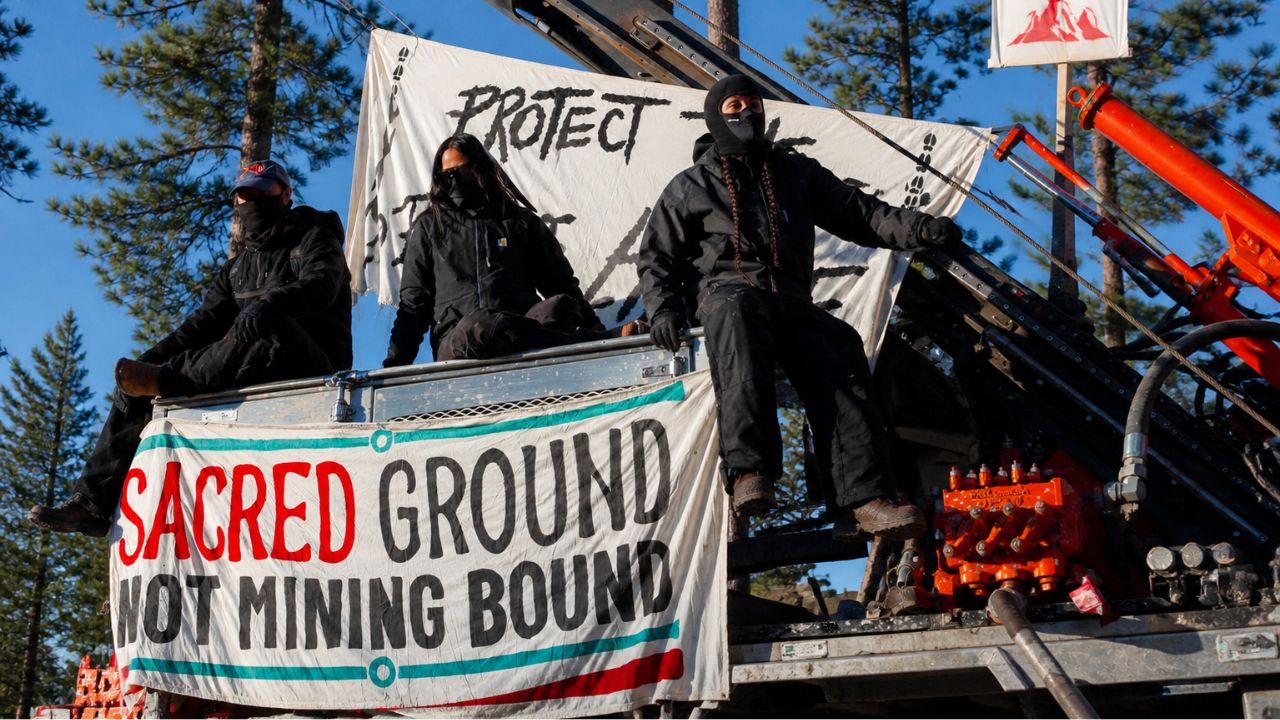
Nine Native American tribes have filed a federal lawsuit aimed at stopping exploratory graphite drilling near Pe’ Sla, a site in the Black Hills that holds deep cultural and spiritual meaning. The legal action targets federal agencies that approved the project, arguing the decision was made without proper consultation or environmental review.
The site sits within the Black Hills region of South Dakota, an area considered sacred by the Lakota and other Sioux nations. Tribal leaders say the land is used for ceremonies, prayer, and cultural gatherings, and they view any industrial activity nearby as a direct threat to its spiritual importance.
Why Pe’ Sla is central to the dispute
Pe’ Sla, also known as Reynolds Prairie, is described by tribes as a place of long-standing religious significance. It is still actively used today for ceremonies and youth gatherings, and buffalo are known to graze in the area. Because of that, tribes argue the land is not just historical, but living cultural ground.
The lawsuit claims the U.S. Forest Service approved drilling without fully accounting for that significance. Tribal leaders say they were not properly consulted before permits were issued, which they argue violates federal laws meant to protect historic and cultural sites. The drilling project is being led by a private mining company exploring graphite deposits in the region.
Concerns about drilling and environmental impact
The project involves exploratory drilling to test for graphite, a mineral used in products like batteries and industrial materials. While officials have described the work as temporary and limited in scope, tribes and environmental groups argue it could lead to larger mining operations in the future.
Opponents also worry about the effect on wildlife, water, and the natural landscape surrounding Pe’ Sla. Even small-scale drilling can require roads, equipment pads, and ground disturbance, which tribes say could permanently damage an area they consider spiritually protected.
Legal claims and federal process questions
At the center of the lawsuit are claims that federal agencies used a fast-tracked approval process that avoided a full environmental and cultural impact review. Tribes argue that this shortcut ignored the site’s importance and the legal obligations to consult Indigenous nations.
The complaint also points to broader treaty history in the Black Hills. Many Sioux nations maintain that they never gave up legal ownership of the land, even after historical disputes with the U.S. government. While courts have addressed compensation in the past, tribes involved in the case continue to view the area as unceded territory.
Broader tensions over land use in the Black Hills
The Black Hills have long been a point of conflict between mining interests, federal agencies, and Native American tribes. The region is also home to major tourist destinations, including Mount Rushmore, which adds another layer of competing interests over how the land is used.
Tribes argue that development projects often move forward too quickly without respecting cultural protections. Supporters of resource exploration, on the other hand, point to economic value and national demand for minerals like graphite, especially in industries tied to energy and manufacturing.
What happens next
For now, the case is moving through the federal court system, and tribes are seeking an injunction to pause drilling while legal questions are reviewed. In some similar cases, courts have temporarily halted projects while environmental and cultural impacts are assessed more fully.
The outcome could affect not only this specific drilling site, but also how federal agencies handle consultation and approval processes in other culturally sensitive areas. Both sides are now waiting to see whether the court will allow drilling to continue or pause it until the lawsuit is resolved.

Leo’s been tracking game and tuning gear since he could stand upright. He’s sharp, driven, and knows how to keep things running when conditions turn.