Iran’s Maimed Supreme Leader Issues New Threats Against U.S. and Israel Amid Truce
You’ve likely noticed how quickly things can shift in the Middle East, and right now Iran’s top leader is sending a clear signal. Mojtaba Khamenei, who stepped into the supreme leader role after major upheaval, posted messages that directly challenge the United States and Israel. This comes during a pause in fighting that both sides agreed to recently. The statements highlight ongoing tensions even as diplomats try to keep the calm from breaking down.
Iran’s Leadership Transition After Heavy Losses
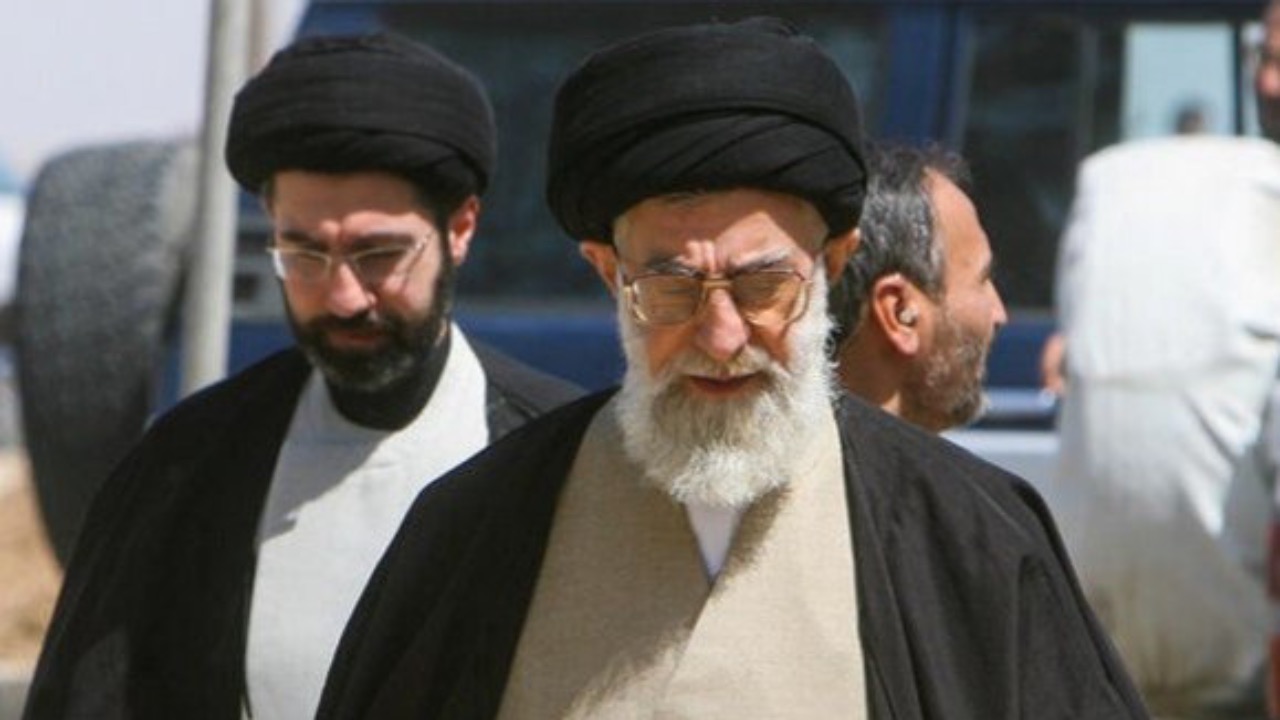
Mojtaba Khamenei took charge following the death of his father in the opening phase of conflict earlier this year. The transition happened under intense pressure, with the new leader himself suffering serious wounds that have kept him largely out of public view. You can see how this personal toll shapes the tone of his communications now. His emergence as the voice of the regime marks a significant change at the top, one that carries forward long-standing positions while adapting to fresh realities on the ground.
Those early strikes in late February altered the command structure in ways that still echo today. The new supreme leader has relied on digital channels to reach supporters and adversaries alike. This approach keeps the chain of command intact despite the physical setbacks he faces. Observers note that such messages serve to project continuity and resolve at a time when the country is still recovering from widespread disruption.
The Precise Warnings Posted on Armed Forces Day
On April 18, Khamenei used his Telegram account to outline Iran’s continued readiness. He described the navy as prepared to deliver further setbacks to its opponents, drawing a parallel to earlier drone operations. The wording emphasized defense of national territory and framed the armed forces as deeply connected to the population. These points were timed to coincide with a national military commemoration, giving them added weight within Iran.
The messages also portrayed Iranian units as standing firm alongside other branches against what they called the main external powers. By highlighting perceived vulnerabilities on the other side, the statements aimed to boost domestic morale. You get the sense that the leadership wants to counter any narrative of weakness following the recent fighting. The language stays consistent with past official rhetoric but arrives at a moment when the truce remains untested.
Background on the Ceasefire That Remains Shaky
The current pause in direct hostilities dates back to early April, when negotiators from multiple sides reached a short-term agreement. Set to run about ten days and potentially ending around April 22, the deal came together quickly after weeks of escalation. Both Iran and the United States, along with Israel, have signaled they are monitoring compliance closely. Yet actions on the ground suggest trust is limited on all fronts.
This arrangement followed a period of intense exchanges that left infrastructure and forces on several sides affected. The truce offers breathing room but has not resolved underlying disputes over regional influence or security concerns. As you track developments, it becomes clear that each side interprets the terms through its own lens, which keeps the situation delicate and prone to sudden shifts.
Iran’s Public Stance on Its Remaining Capabilities
Khamenei’s posts stress that Iranian forces, particularly naval units, retain the ability to respond effectively. He portrayed the military as an extension of the people, ready to protect key assets like land and maritime routes. The emphasis on unity among different armed groups underscores an effort to present a cohesive front. This messaging directly addresses claims from outside observers about the extent of damage sustained.
Despite acknowledged losses, the statements focus on operational strengths that officials say persist. The navy receives special mention as a tool for future engagements, tying back to recent activities in key waterways. You can read this as an attempt to deter further pressure while reassuring internal audiences. The contrast between public assertions and reported battlefield outcomes continues to fuel debate among analysts.
Developments Involving the Strait of Hormuz
Just as the threats appeared, Iran moved to tighten its oversight of the Strait of Hormuz once more. This step followed announcements that external blockades on related shipping would stay in effect. Control over this narrow passage has long carried strategic importance for global energy flows, and recent restrictions have raised concerns about potential disruptions. The timing links the military rhetoric to concrete moves in the field.
Officials in Tehran framed the action as a necessary response to ongoing measures against their ports. The development adds a layer of economic pressure to the military standoff. As you consider the broader implications, the strait emerges as a focal point where words and deeds intersect, testing the limits of the existing truce.
Perspectives From the United States on Iran’s Position
U.S. officials, including President Trump in mid-April remarks, have described Iran’s military as significantly diminished after the earlier operations. References to lost vessels and overall strain paint a picture of a country under duress. These assessments contrast sharply with the defiant tone coming from Tehran. The American side maintains that its understanding of the situation remains clear, based on extended internal reviews.
Such comments serve to downplay the impact of Iranian statements while reinforcing the rationale behind prior actions. They also signal that Washington views the truce as fragile and subject to ongoing evaluation. You see how these competing narratives shape the diplomatic atmosphere, with each capital projecting strength and caution in equal measure.
What the Timing Reveals About Current Pressures
Issuing the messages now, right before the truce deadline, suggests calculated timing from Iran’s leadership. April 18 fell on a day traditionally used to highlight military achievements, providing a platform for the new supreme leader’s first major public comments in his role. The posts come amid reports of continued restrictions in the Gulf, adding urgency to the exchange.
This moment captures the regime’s need to assert relevance while dealing with internal recovery and external constraints. The approach avoids direct confrontation yet keeps the conversation focused on potential escalation. Observers watch closely to see whether the rhetoric leads to policy adjustments or remains largely symbolic as the expiration date approaches.
Regional Implications as the Pause Nears Its End
The combination of verbal warnings and maritime moves keeps attention fixed on the Gulf and surrounding areas. Neighboring states monitor the situation for any spillover that could affect trade or security. The truce has provided temporary stability, but the latest exchanges indicate that underlying issues persist. Energy markets and shipping routes feel the indirect effects of these tensions.
As April 22 draws closer, the focus turns to whether the parties will extend the arrangement or allow it to lapse. Khamenei’s statements add complexity to those calculations by signaling that Iran intends to maintain a firm posture. You can appreciate how one set of posts ripples outward, influencing decisions far beyond Tehran and testing the durability of the current calm.

Asher was raised in the woods and on the water, and it shows. He’s logged more hours behind a rifle and under a heavy pack than most men twice his age.