Why More Shooters Are Prioritizing Control Over Power
Across competitive shooting ranges and hunting forums, a quiet shift is underway. More shooters are trading raw muzzle energy for platforms that are easier to control, faster to run, and less punishing over long strings of fire. The trend reflects changing priorities that reach from the firing line to the politics of gun ownership, where questions of control, safety, and responsibility are increasingly hard to separate from the hardware itself.
What happened
For much of the past few decades, the American gun market has been defined by a race toward higher power. Big magnum revolvers, ultra‑light pocket pistols with sharp recoil, and rifles chambered in cartridges designed for maximum range and impact all found steady buyers. During the same period, the political debate fixated on the most powerful and visually aggressive firearms, including the AR‑15 and similar rifles that have been used in multiple high‑profile mass shootings in the United States, such as the attack in San Bernardino that involved rifles chambered in .223 caliber and 9 mm handguns, as reported in coverage of US mass shootings.
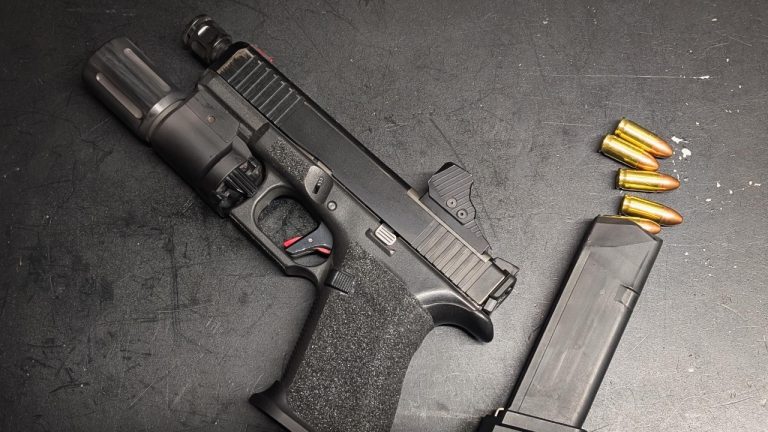
In recent years, however, manufacturers and shooters have leaned into a different set of priorities. In handgun design, there has been a surge in pistols built around softer‑shooting 9 mm cartridges paired with improved ergonomics, optics‑ready slides, and compensators that tame muzzle rise. Competitive shooters in disciplines like USPSA and IDPA have gravitated toward configurations that allow rapid follow‑up shots and precise control, even if that means stepping away from higher‑recoiling calibers such as .40 S&W or .45 ACP.
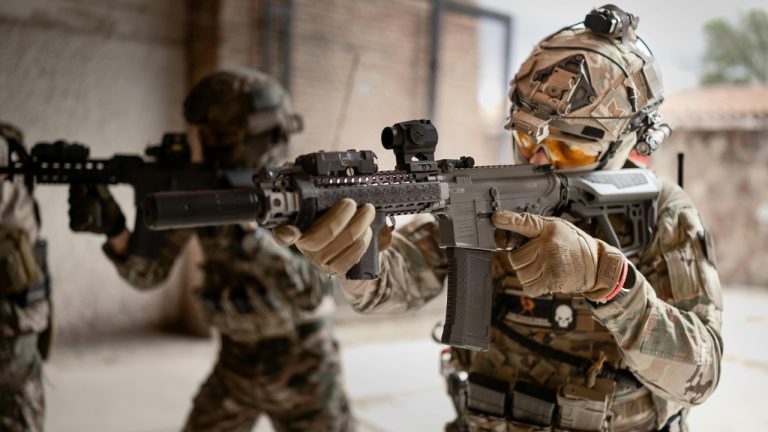
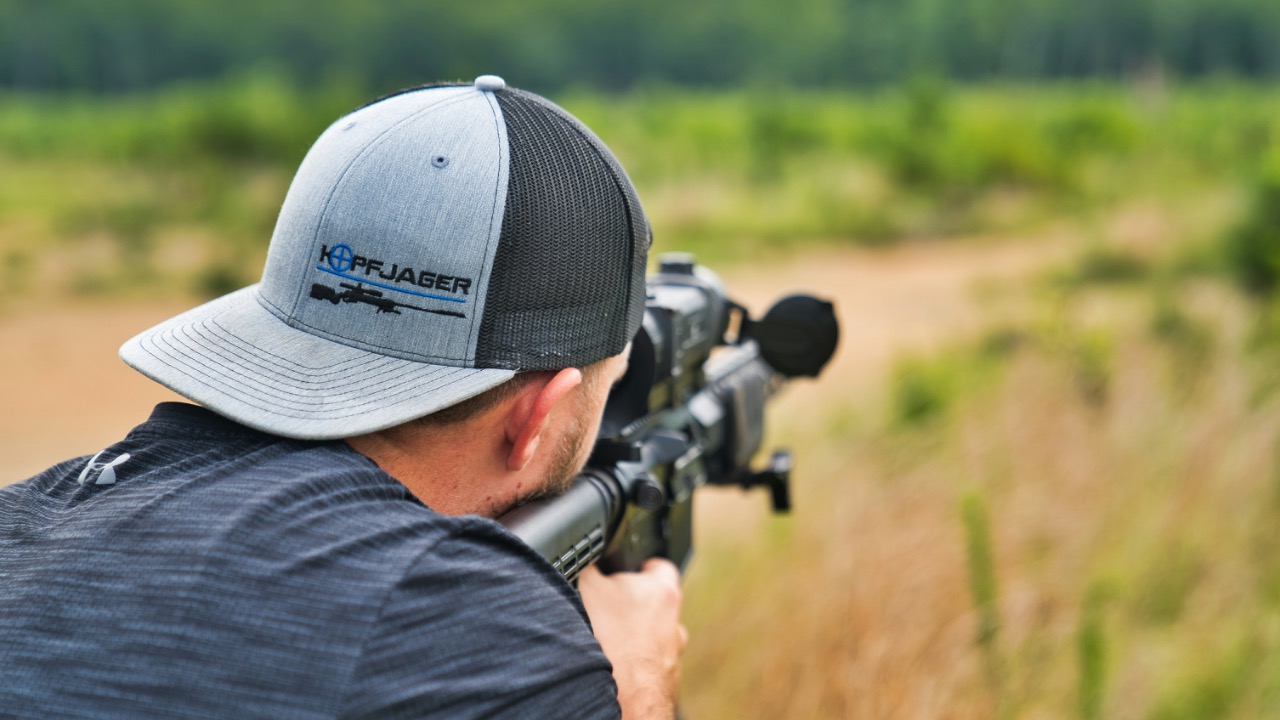
Rifle shooters are following a similar path. Precision rifle competitors have popularized mid‑caliber cartridges that balance manageable recoil with enough energy to ring steel at long distances. Hunters are increasingly choosing lighter‑recoiling cartridges that still provide ethical performance on game but allow better shot placement and faster recovery for a second shot. In training circles, instructors emphasize controllable platforms that students can run safely under stress, rather than encouraging beginners to start with the most powerful firearm they can afford.
These shifts on the range are unfolding against a backdrop of stalled federal gun legislation. Despite repeated public outrage after mass shootings, Congress has struggled to pass sweeping gun control measures, even though surveys show that a majority of Americans support certain restrictions. Analysis of why gun control in Washington highlights how institutional rules, partisan polarization, and interest group pressure can block policy change even when public opinion appears to favor tighter regulation.
With federal action limited, much of the practical response to concerns about gun violence has shifted to state laws, local training standards, and industry norms. In that environment, the firearms that shooters choose and the features they prioritize have taken on added significance. A growing number of enthusiasts and professionals are signaling through their purchases that controllability, accuracy, and responsible handling matter more to them than sheer ballistic power.
Why it matters
The turn toward control over power has implications that reach beyond individual preference. On the performance side, controllable firearms often translate into better real‑world outcomes. A pistol that recoils less and fits the shooter’s hand can lead to tighter groups, quicker follow‑up shots, and fewer misses under stress. In defensive contexts, that can mean a lower risk of stray rounds that endanger bystanders. On the range, it encourages shooters to practice more, since a softer‑shooting gun is less fatiguing and more approachable for new participants.
Safety culture is also affected. When instructors steer first‑time shooters toward moderate calibers and platforms that are easy to manage, they reduce the chance of flinching, dropped firearms, or other mishaps that come from being overwhelmed by recoil. That approach aligns with a broader emphasis on training and discipline rather than bravado. Shooters who internalize the idea that the best firearm is the one they can control effectively are more likely to seek instruction, invest in practice, and respect their own limits.
The political resonance of this shift is more subtle but just as significant. In national debates, the image of gun owners is often shaped by a small subset of highly publicized incidents and the most extreme examples of firepower. High‑capacity rifles and large‑caliber handguns dominate headlines, while the day‑to‑day reality of people using moderate, controllable firearms for sport, hunting, or self‑defense receives less attention. When the community itself emphasizes control and responsibility, it challenges caricatures that portray all gun owners as obsessed with maximum lethality.
At the same time, the institutional barriers described in research on stalled federal gun legislation mean that cultural shifts inside the shooting world can have outsized influence. If Congress remains gridlocked, the norms that manufacturers, trainers, and consumers set can shape outcomes on the ground. A market that rewards controllable designs encourages companies to refine triggers, grips, and recoil systems instead of chasing ever larger cartridges. That, in turn, can make it easier for new shooters, including those from underrepresented groups, to enter the sport with equipment that feels manageable and safe.
There is also a public health dimension. Firearm injury researchers often stress that accuracy and shot placement, not just raw energy, determine lethality. A shooter who can keep rounds on target is more capable of both lawful defensive use and, in the worst scenarios, deliberate harm. The move toward control does not automatically reduce risk, but it can support training regimes that emphasize judgment, de‑escalation, and precision over volume of fire. Instructors who prioritize controlled shooting can integrate scenario‑based drills that force students to balance speed with accountability for every round.
On the policy front, the distinction between power and control complicates familiar talking points. Proposals that focus solely on caliber or magazine capacity do not fully capture how a firearm behaves in real hands. A rifle chambered in a relatively modest cartridge can be extremely dangerous if configured to allow rapid, controllable fire, while a high‑powered hunting rifle with heavy recoil may be ill‑suited to misuse in crowded settings. As lawmakers and advocates wrestle with definitions of “assault weapons” and “high‑capacity” platforms, the industry’s focus on controllability will continue to blur simple categories.
For the shooting community, the conversation about control is also a conversation about identity. Competitive shooters who tune their gear for minimal recoil and fast transitions see themselves as technicians chasing efficiency, not as collectors of powerful hardware. Hunters who favor lighter cartridges that encourage precise shot placement often frame their choice as an ethical commitment to clean kills. In each case, the preference for control reflects a broader value system that prizes skill, discipline, and predictability.
What to watch next
The next phase of this shift will likely be shaped by technology. Advances in recoil mitigation, from improved muzzle devices to gas systems that soften the impulse of semi‑automatic rifles, are already filtering from competition circles into mainstream products. Optics that allow faster target acquisition, such as miniature red‑dot sights on handguns, can further reduce the perceived need for high‑powered calibers by helping shooters place accurate shots with less effort. As these features become standard, expectations of what a “normal” firearm feels like to shoot will continue to evolve.
Training infrastructure will be another key indicator. If more ranges offer courses that center on controllable platforms and emphasize decision‑making under stress, the culture will tilt further toward responsibility and away from spectacle. Law enforcement agencies and private security firms, which often serve as trendsetters for equipment and tactics, may reinforce that shift if they continue to adopt sidearms and rifles chosen for controllability and compatibility with modern optics rather than maximum power.
Policy debates will continue to run on a separate track, shaped by the same congressional dynamics that have so far limited federal action on gun control despite majority support for some measures. Observers will be watching to see whether state legislatures respond to technological changes in firearms by refining definitions and focusing more on features that affect controllability and rate of fire. Court decisions on existing regulations could also influence how lawmakers frame future rules around what makes a firearm particularly dangerous.

Leo’s been tracking game and tuning gear since he could stand upright. He’s sharp, driven, and knows how to keep things running when conditions turn.