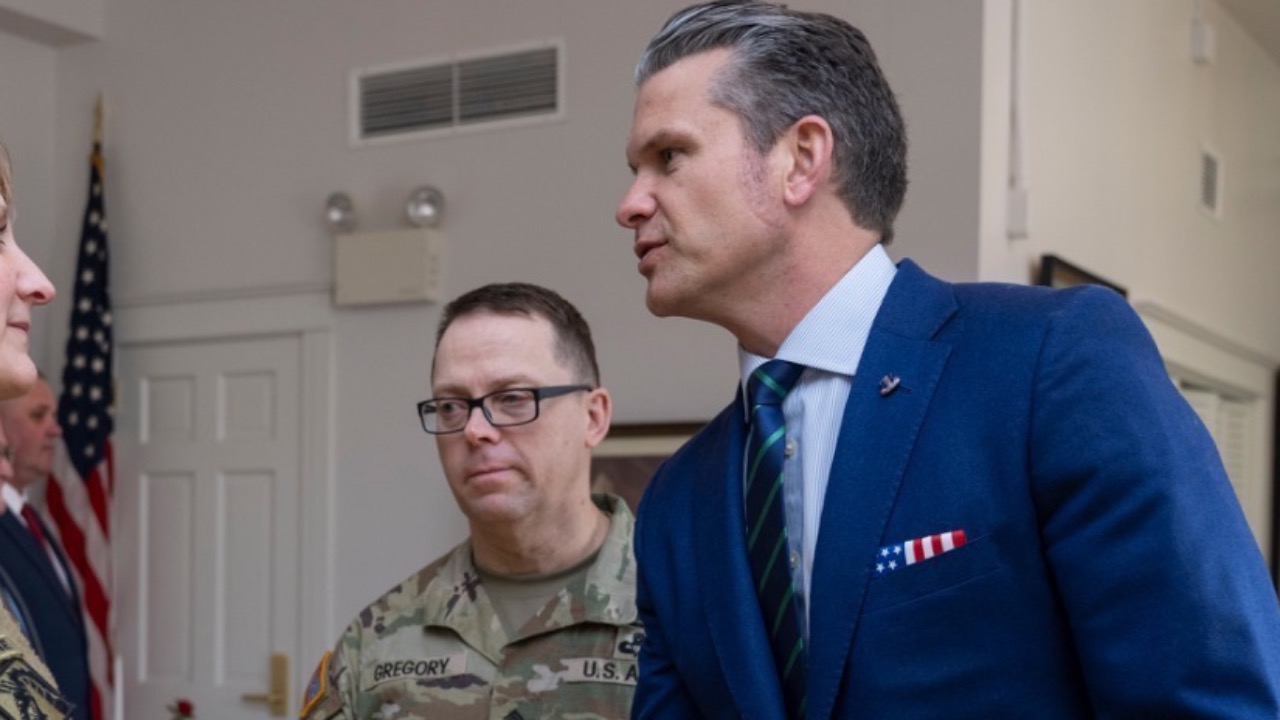
Defense Secretary Pete Hegseth Signals Expanded Action Against Drug Cartels in Americas
Defense Secretary Pete Hegseth is signaling a sharper turn in Washington’s approach to drug cartels across the Americas, pairing combative rhetoric with concrete steps to expand U.S. military involvement in the region. His comments and early moves suggest a strategy that treats cartels less as a law-enforcement problem and more as hostile armed groups that can be targeted with joint operations and advanced weaponry.
The shift is already visible in new arrangements with regional partners and in Hegseth’s willingness to blur lines between counter-narcotics, counterterrorism, and border security. That evolution has produced a policy debate stretching from Guatemala City to Capitol Hill, with supporters hailing overdue toughness and critics warning of mission creep and regional blowback.
What happened
Pete Hegseth, who serves as U.S. defense secretary in Donald Trump’s administration, has publicly framed Latin American drug cartels as “enemy organizations” that threaten U.S. sovereignty and regional stability. In remarks reported earlier this year, he argued that cartels should be treated more like insurgent or terrorist networks than traditional criminal syndicates, a framing that opens the door for broader military involvement in Latin America and the Caribbean. His comments came alongside internal discussions about expanded surveillance, intelligence sharing, and potential kinetic operations against cartel-linked targets, according to reporting on his emerging Latin America strategy that highlighted his call for a tougher posture toward drug cartels.
The most concrete step so far is a new security arrangement with Guatemala. The Guatemalan government has agreed to allow joint U.S. strikes on drug traffickers operating on its territory, marking what has been described as a major expansion of Trump-era security cooperation in Latin America. Under this agreement, U.S. forces are expected to provide intelligence, planning support, and potentially direct participation in operations that target cartel-linked infrastructure, airstrips, labs, and high-value individuals, as outlined in reporting on Guatemala’s decision to accept joint U.S. strikes.
Guatemala’s move follows months of pressure from Washington, which has tied cooperation on migration and economic aid to tougher action against transnational criminal networks. Hegseth has argued that Central American cartels and their facilitators form a key link in the chain that delivers fentanyl, cocaine, and methamphetamine to U.S. cities. By striking at those networks closer to their source, he contends, the United States can disrupt trafficking routes before drugs reach the U.S. border.
Inside the Pentagon, Hegseth has pushed for expanded authorities for U.S. Southern Command to coordinate operations with regional militaries and police forces. That includes more aerial surveillance flights over known trafficking corridors, increased use of special operations advisers, and a larger role for U.S. naval assets interdicting shipments in the Caribbean and eastern Pacific. While some of these activities build on long-standing counter-narcotics programs, the tone and scope of Hegseth’s statements suggest a willingness to cross thresholds that previous administrations treated with caution.
Diplomatically, the new posture has already sparked debate among Latin American leaders. Some governments, particularly those struggling with powerful cartels and limited state capacity, see value in U.S. support that comes with intelligence and precision capabilities they cannot field on their own. Others worry that deeper U.S. military involvement could inflame domestic politics, invite retaliation from criminal groups, or revive memories of Cold War interventions.
Why it matters
The shift Hegseth is championing matters on several levels. At home, it ties directly into a U.S. political environment where fentanyl overdoses, cross-border trafficking, and migrant flows dominate security debates. By casting cartels as quasi-military enemies, the administration can argue it is using every available tool to protect U.S. communities, which may resonate with voters who see traditional law-enforcement approaches as inadequate.
Reframing cartels as enemy forces also has legal and strategic implications. It creates pressure to revisit designations that could label some organizations as foreign terrorist entities, which in turn would expand surveillance and targeting authorities. Such a step would likely trigger intense debate in Congress and among legal experts, who would weigh the benefits of broader powers against risks to civil liberties and diplomatic relations.
For Latin America, Hegseth’s posture could reshape regional security architecture. Joint strike agreements, like the one with Guatemala, set precedents that other governments might follow or reject. Countries such as Honduras, El Salvador, and parts of Mexico’s northern border region face similar cartel-driven violence and may come under U.S. pressure to accept deeper cooperation. Each decision will be filtered through domestic politics, where leaders must balance a desire for U.S. support with public skepticism of foreign troops or aircraft operating on national soil.
There are practical risks as well. Cartels in Mexico, Guatemala, and elsewhere have shown an ability to adapt quickly when confronted with new enforcement tactics. Past U.S.-backed crackdowns, including high-profile arrests and militarized campaigns, sometimes fragmented large cartels into smaller, more violent groups. Analysts warn that aggressive joint strikes might disrupt some trafficking routes but also spur cartels to diversify into extortion, kidnapping, and other crimes that hit local populations hardest.
Human rights advocates are also watching closely. Latin American security forces that partner with the United States have mixed records on accountability and civilian protection. Expanded U.S. involvement, particularly if it includes real-time targeting support or embedded advisers, raises questions about responsibility when operations go wrong. Any civilian casualties or abuses linked to joint actions could trigger domestic backlash and legal challenges in both the partner country and the United States.
The economic dimension is another reason the policy matters. Drug trafficking networks are deeply intertwined with local economies in parts of Central America and Mexico, where they provide illicit income in areas with limited legal opportunities. Strikes that disrupt cartel logistics might also disrupt informal labor markets and remittance flows that sustain communities, unless they are paired with development programs and alternative livelihoods. Hegseth’s rhetoric has focused heavily on security, while critics argue that without economic and governance reforms, military pressure alone will not produce lasting gains.
The approach also shapes U.S. relations with major regional players. Mexico remains the primary transit route for drugs entering the United States, and any expanded U.S. military role in the region will be watched carefully in Mexico City. Even if operations are centered in Guatemala or elsewhere, Mexican officials may see them as a template for future expectations. The balance between cooperation and sovereignty will be a recurring tension as Hegseth’s strategy unfolds.
What to watch next
The next phase of this policy shift will hinge on how far Hegseth and the White House are willing, and able, to go in operational terms. One key indicator will be the specific rules of engagement for joint operations in Guatemala. Observers will watch whether U.S. personnel participate directly in raids and airstrikes, or whether their role stays limited to intelligence and logistics. The level of transparency about these missions, and how casualties or collateral damage are reported, will shape public perception.
Another signal will come from Congress. Lawmakers on defense and foreign affairs committees are likely to scrutinize any move that expands U.S. combat roles in Latin America, especially if it involves new funding lines, authorities, or designations. Hearings, proposed legislation, or funding riders that seek to limit or endorse Hegseth’s approach will reveal how much political space he has to escalate. Debates over labeling certain cartels as terrorist organizations would be particularly consequential, since such designations carry sweeping legal effects.
Regional reactions will also be critical. If Guatemala’s agreement is followed by similar deals with other governments, Hegseth could quickly build a network of partner states willing to host joint operations or share sensitive intelligence. If, instead, there is a backlash among Latin American leaders or publics, the United States may find itself isolated, with only a few governments willing to align openly with the new strategy.

Leo’s been tracking game and tuning gear since he could stand upright. He’s sharp, driven, and knows how to keep things running when conditions turn.