Top 10 Guns That Shooters End Up Trusting the Most
Shooters talk about accuracy and stopping power, but what they really prize is trust. The firearms that keep showing up at ranges, in competitions, and in holsters tend to share the same traits: predictable performance, parts support, and designs that survive hard use. Across disciplines, a handful of models have earned reputations as the guns people return to when the stakes feel highest.
That trust does not come from marketing. It is built over decades of service, police contracts, competition wins, and real-world failures that led to design fixes. Looking at the guns that shooters rely on most often shows how reliability, not novelty, shapes the modern market.
What happened
Over time, a core group of handguns, rifles, and shotguns has emerged as default choices for concealed carry, duty use, hunting, and precision work. Reviews of the best handguns consistently highlight a familiar cast of pistols: Glock models like the 19 and 17, the SIG Sauer P320 family, and metal framed classics such as the CZ 75 and Beretta 92. These designs appear repeatedly in law enforcement contracts, defensive shooting classes, and competition rosters, signaling how often shooters stake their safety on them.
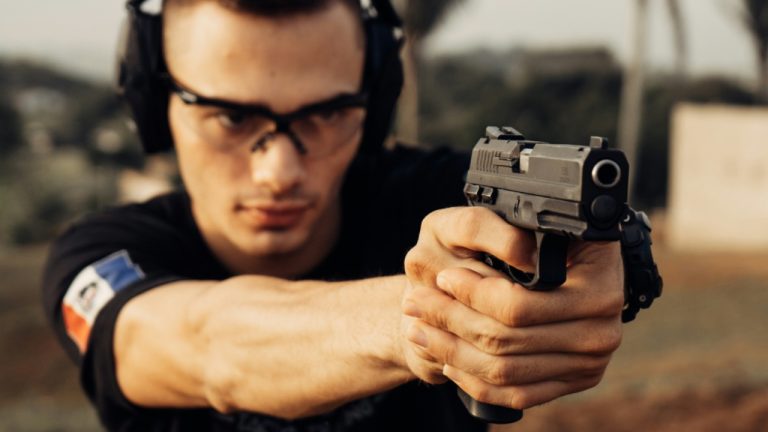
Polymer striker fired pistols have become the default for many users. The Glock 19 in particular blends a compact footprint with a full grip and 15 round magazines, making it a frequent recommendation for concealed carry and home defense. The SIG Sauer P320 platform, chosen by the United States Army as the M17 and M18, has gained similar trust through modularity and a growing aftermarket. Reviews of duty and concealed carry pistols tend to measure newcomers against these benchmarks rather than the other way around.
Revolvers still hold a place in this trusted circle, especially for those who favor simplicity. Double action .357 Magnum models from companies such as Smith & Wesson and Ruger are often cited as dependable sidearms for rural carry and backup roles. Their appeal lies in a straightforward manual of arms and the ability to fire .38 Special loads for reduced recoil. While capacity is limited, many shooters accept that tradeoff in exchange for mechanical transparency and long service life.
In the hunting and outdoors segment, 10 mm Auto pistols have seen renewed interest as backcountry companions. Guides and anglers who move through bear country often look to models like the Glock 20 or 1911 pattern 10 mm pistols that testing has identified as the best 10 mm for field use. These guns must function in mud, rain, and cold, and the ones that keep cycling under those conditions quickly gain loyal followings among people who cannot afford a malfunction far from help.
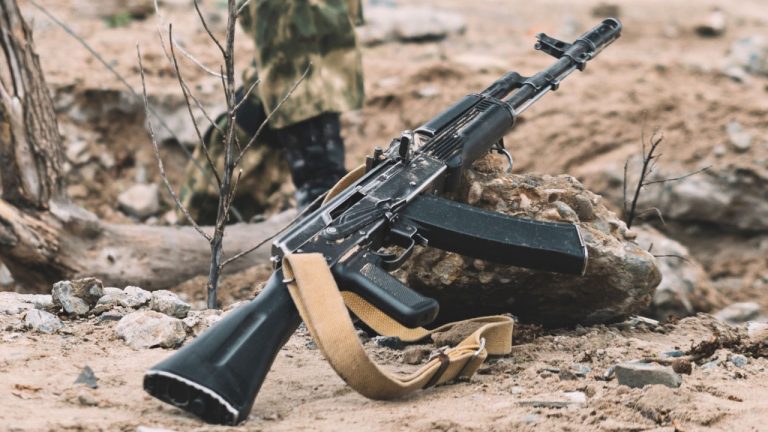
Long guns show a similar pattern. The AR 15 platform dominates as a trusted general purpose rifle, in part because of its modularity and in part because of the sheer volume of real world use. Quality carbines from established makers, paired with durable optics, have proven themselves in law enforcement, competition, and defensive contexts. Precision shooters lean on bolt action rifles from manufacturers like Tikka, Remington, and Savage, often topped with glass that reviewers rank among the top precision scopes. The combination of a known action and repeatable optics creates systems that shooters can rely on from match to match.
Shotguns that have earned trust tend to be pump action or inertia driven semi autos with long production histories. Models such as the Remington 870 and Mossberg 500 series remain common choices for home defense and law enforcement because they handle varied loads and rough handling. In the semi auto category, designs like the Benelli M2 and M4 have seen extensive use in tactical and competition settings, where thousands of rounds reveal weaknesses quickly. The models that stay in circulation after that level of scrutiny are the ones shooters keep buying for serious roles.
Why it matters
The firearms that shooters trust most end up shaping training norms, aftermarket support, and even public debates about safety. When a handful of pistols and rifles dominate classes and competitions, instructors build curricula around their controls and quirks. Holster makers, sight companies, and parts suppliers then focus on those platforms, reinforcing their position and making them even more attractive to new buyers who want easy support.
Trust also affects how people manage risk. Many gun owners choose a single primary handgun or rifle and invest significant time learning its trigger, recoil pattern, and maintenance needs. That familiarity can improve performance under stress, which is one reason experienced shooters often advise new owners to pick a proven design and stay with it for years. The guns that have earned reputations for reliability and durability therefore play a disproportionate role in real defensive incidents, hunting trips, and competitive stages.
At the same time, the belief that a trusted firearm guarantees safety can obscure broader realities. Research that examines the relationship between gun ownership and public safety has found that higher rates of household firearms do not automatically translate into lower crime or injury. Analyses that challenge the idea that more guns make communities safer, such as work that directly debunks safety myths, point out that risk depends heavily on storage practices, training, and context. In that light, the guns that shooters rely on most often sit at the center of a complex conversation about individual confidence and community outcomes.
For manufacturers, earning a place in this trusted tier is commercially significant. A pistol or rifle that becomes a default choice for law enforcement or a dominant platform in competition can drive decades of sales. It also raises the bar for new entrants, which must demonstrate reliability across large round counts and varied conditions before serious users consider switching. This dynamic helps explain why incremental improvements to established platforms often draw more interest than entirely new, unproven designs.
The focus on a relatively small set of trusted models also influences how failures are perceived. When a widely used handgun experiences a recall or a pattern of malfunctions, the impact reaches far beyond a single product line. Agencies may reconsider contracts, trainers may adjust recommendations, and owners may question whether their confidence was misplaced. Conversely, when a gun performs reliably through high profile events or demanding competitions, that performance tends to cement its status for years.
What to watch next
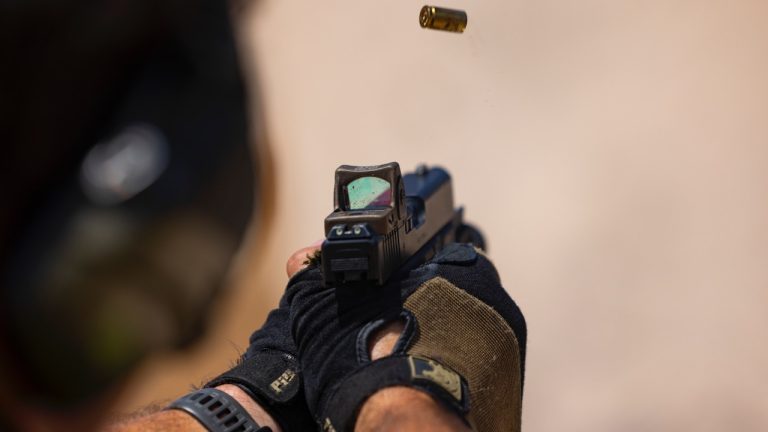
Several trends are likely to shape which guns earn or keep shooter trust in the coming years. The shift toward optics ready pistols and rifles has created new expectations for reliability with red dot sights. Many of the handguns already regarded as dependable now ship with slide cuts and mounting plates, and their ability to keep optics secure under heavy use will influence whether they maintain their status. Shooters are watching how these systems hold zero after thousands of rounds and repeated holster draws.
The growth of long range shooting has also raised the profile of precision rifles and optics. As more shooters stretch to 800 yards and beyond, they increasingly favor rifles and scopes that track adjustments accurately and return to zero. Reviews of precision rifle optics already highlight models that maintain repeatability after extensive dialing. The rifles that pair with these optics to deliver consistent hits in wind and varying temperatures are likely to join the roster of trusted platforms.
Ammunition trends will continue to influence which guns people rely on. The renewed interest in cartridges like 10 mm Auto for backcountry defense has already boosted demand for durable pistols capable of handling higher pressures and recoil. Evaluations of the most dependable 10 emphasize how well they feed varied bullet profiles and how controllable they remain in rapid fire. If manufacturers can combine that performance with manageable size and weight, more shooters may shift their trust from traditional revolvers to high capacity semi autos in the field.

Leo’s been tracking game and tuning gear since he could stand upright. He’s sharp, driven, and knows how to keep things running when conditions turn.