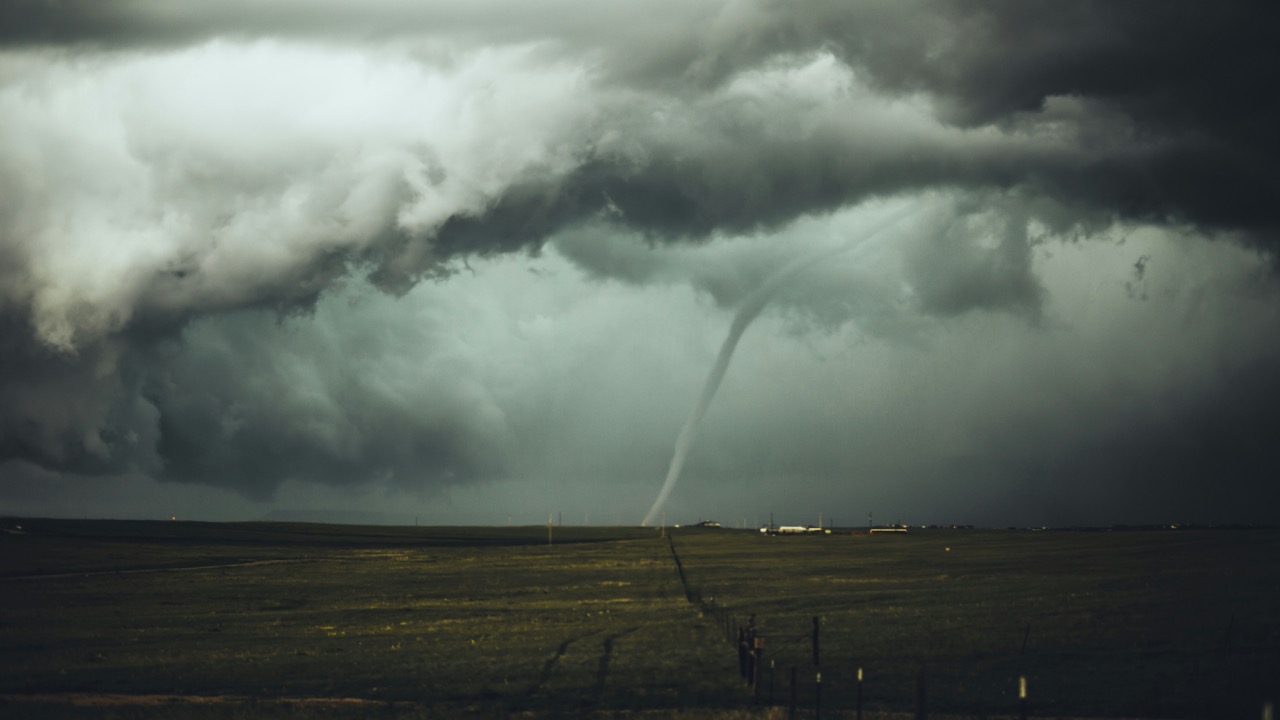
As Tornadoes Devastate US Heartland, Debate Rages Over Building Standards and Climate Vulnerability
A series of destructive tornado outbreaks across parts of the American heartland has renewed debate over whether current building standards are strong enough to handle increasingly severe weather events. Communities across several states have faced major damage to homes, schools, businesses, and infrastructure, leaving many residents questioning whether more resilient construction could reduce future losses.
The discussion has also expanded into broader arguments about climate vulnerability and preparedness. While tornadoes have always been part of life in the central United States, some experts argue that changing weather patterns and population growth in high-risk areas are increasing the potential for large-scale destruction when storms strike.
Communities face long recovery process
In many of the hardest-hit areas, recovery is expected to take months or even years. Families displaced by storm damage are dealing with insurance claims, temporary housing, and rebuilding costs at the same time local governments work to restore utilities and public services.
For smaller towns, the financial strain can be especially severe. A single tornado can wipe out homes, businesses, and critical infrastructure all at once, creating economic setbacks that continue long after national attention fades from the disaster.
Debate grows over building standards
One of the biggest questions following the storms is whether existing construction standards are enough in tornado-prone regions. Some engineers and emergency management experts argue that stronger building requirements, especially for roofs, anchors, and safe rooms, could significantly reduce casualties and structural collapse during major storms.
Others point out that tougher standards can increase housing costs in areas where affordability is already a challenge. Critics of broad mandates argue that many communities may struggle to implement stricter requirements without financial assistance or updated federal support programs.
Climate discussions add another layer
The tornado outbreaks have also reignited debate about climate vulnerability and how changing environmental conditions may influence severe weather patterns. Scientists continue to study whether warming temperatures are affecting tornado frequency, intensity, or geographic distribution.
At the same time, many experts stress that vulnerability is not only about weather itself but also about where and how people build. Population growth in exposed regions means more homes and infrastructure are now directly in the path of storms that might once have struck less-developed areas.
Emergency preparedness under scrutiny
Recent storms have also raised questions about warning systems, emergency shelters, and public readiness. In some communities, residents had only minutes to react before tornadoes touched down, making quick communication critical.
Emergency officials continue encouraging families to have shelter plans and reliable ways to receive alerts during severe weather outbreaks. Even with advanced forecasting tools, tornadoes remain difficult to predict with complete precision, which is why preparedness remains a major focus.
Broader questions about future resilience
As rebuilding efforts continue, many local leaders are weighing how to prepare for future disasters without placing unrealistic costs on residents. Some communities are discussing stronger codes and expanded shelter access, while others are focused on improving response systems first.
The broader debate reflects a growing concern across disaster-prone regions of the country: how to balance development, affordability, and long-term resilience in areas where severe weather remains an unavoidable part of life.

Leo’s been tracking game and tuning gear since he could stand upright. He’s sharp, driven, and knows how to keep things running when conditions turn.