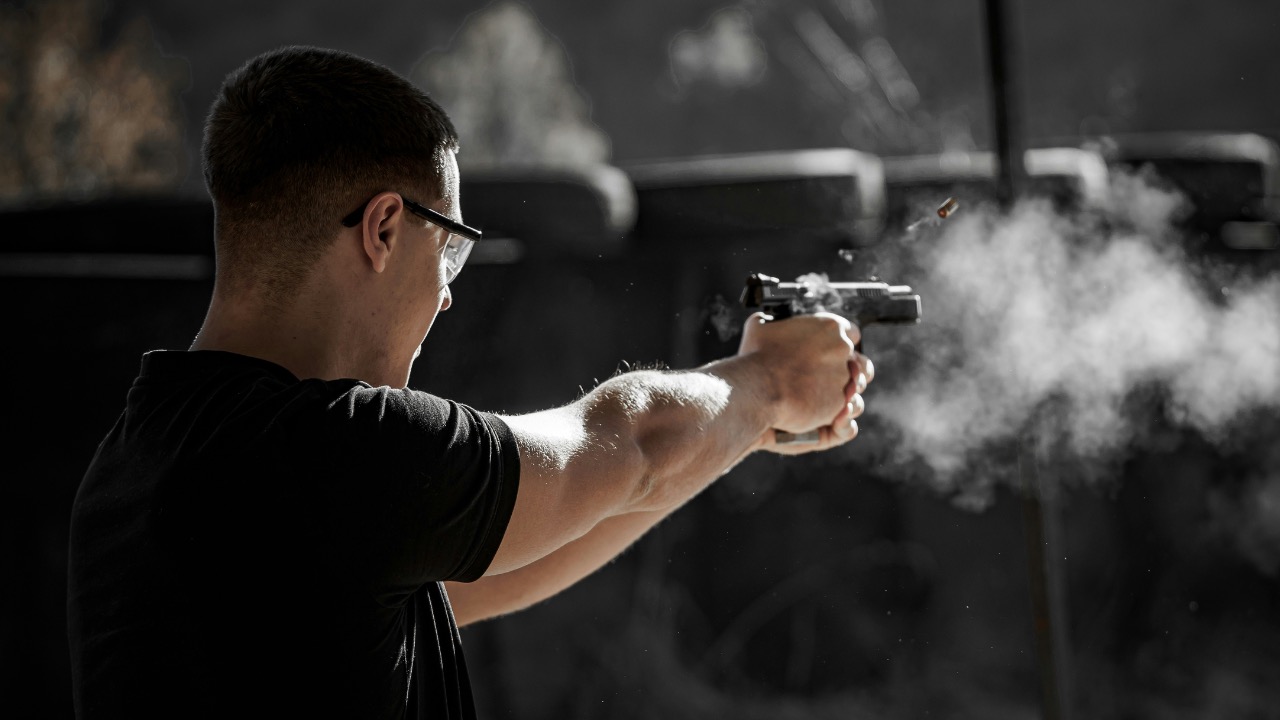
Top 10 Pistols That Make Practice Feel Less Frustrating
Practice sessions at the range can feel like a grind when the pistol fights the shooter at every step. The right handgun smooths that learning curve, with ergonomics, controls, and recoil behavior that reward good habits instead of punishing small mistakes. For new and experienced shooters alike, certain models have earned a reputation for turning frustrating drills into steady progress.
More time behind the trigger, however, does not automatically translate to greater personal safety or better outcomes in real-world violence. Research on gun use and public safety shows that access and training exist inside a much larger context of risk, responsibility, and law.
What happened
Over the last decade, pistol design has shifted toward features that make training less stressful and more productive. Manufacturers have focused on striker-fired triggers with consistent pull weights, modular grip systems, and optics-ready slides that accept miniature red-dot sights. These changes are not just about competition or tactical trends; they are directly tied to how quickly shooters can build confidence and repeatable skills.
Meanwhile, data on gun use and violence has become more detailed. Analyses of defensive gun use, firearm-related injuries, and public safety outcomes have challenged the idea that simply owning more guns or carrying them in more places makes communities safer. One detailed review of crime and victimization data found that higher gun prevalencecorrelates with higher rates of homicide and suicide, even when researchers control for other factors. That research context matters when evaluating why people buy pistols and how they train with them.
Within that broader debate, the training community has increasingly emphasized pistols that are forgiving for new shooters and efficient for experienced ones. Instructors report that students who start with user-friendly designs tend to progress faster, require fewer corrections on basic gun handling, and experience less flinching or anticipation under recoil. Those practical outcomes have pushed certain models to the front of rental counters, concealed carry courses, and competition rosters.
Drawing on that real-world feedback, ten pistols stand out for making practice feel less like a fight and more like a steady climb. They share a few traits: predictable triggers, manageable recoil, intuitive controls, and strong aftermarket support for sights, holsters, and training accessories.
Why it matters
The choice of pistol shapes almost every aspect of practice. A handgun with a heavy, inconsistent trigger or sharp recoil impulse can mask good technique and exaggerate small errors. Shooters then chase their sights, tense up on the trigger, and leave the range discouraged. By contrast, a well-sorted pistol lets them see cause and effect more clearly. When grip and trigger press improve, hits tighten on the target, which reinforces good habits.
That feedback loop is especially important for new owners, who are often motivated by a mix of personal security, sport, and curiosity. Research on gun violence shows that the presence of a firearm in a home raises the risk of suicide and unintentional injury, particularly where storage is lax and training is minimal. A pistol that encourages regular, structured practice does not erase those risks, but it can improve handling discipline and situational judgment. Shooters who invest in training-oriented gear are more likely to seek professional instruction, follow range rules, and adopt safe storage practices at home.
From a policy and public health perspective, the tension is clear. On one side, millions of Americans view pistol ownership as a core element of self-defense and personal autonomy. On the other, detailed analyses of crime reports, victim surveys, and health data suggest that widespread carrying of firearms in public spaces does not reliably reduce violent crime and can increase the lethality of conflicts that would otherwise remain nonfatal. That evidence does not tell an individual which pistol to buy, but it does frame practice as part of a larger responsibility rather than a purely individual hobby.
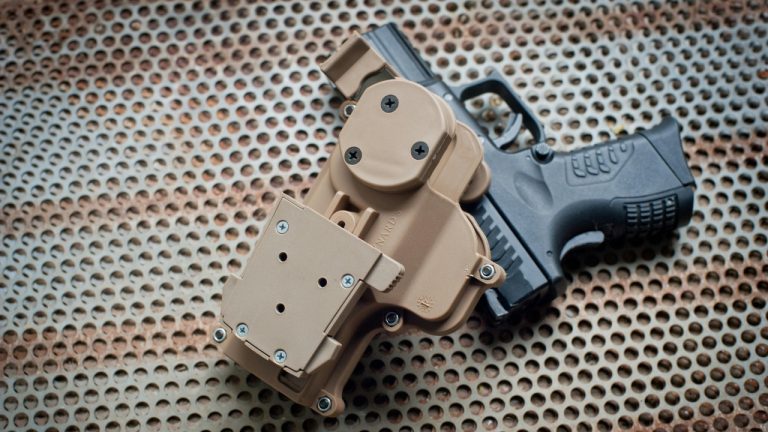
Within that responsibility, the specific features that make practice smoother have concrete effects. A pistol with interchangeable backstraps or grip modules can fit smaller hands, which helps shooters maintain a straight trigger press instead of reaching and twisting. A consistent striker-fired trigger simplifies the learning process compared with traditional double-action systems that require mastering two different pulls. Optics-ready slides allow shooters with aging eyes to use red-dot sights, which can improve accuracy at distance and in low light.
For instructors, these design trends reduce the time spent fighting equipment and free them to focus on decision-making, movement, and scenario-based drills. A class where everyone runs reliable, easy-to-use pistols tends to see fewer malfunctions, less fatigue, and more attention on judgment and communication. That shift matters because real-world shootings are defined less by marksmanship alone and more by recognition, restraint, and control under stress.
There is also an economic angle. Pistols that are gentle to train with tend to generate more repeat business for ranges and classes. Shooters who leave the range encouraged are more likely to sign up for the next level course, invest in quality holsters and lights, and bring friends or family into structured training rather than leaving them to experiment on their own. Over time, that can create local cultures where responsible handling and regular practice are the norm.
Against that backdrop, the top ten training-friendly pistols share a common goal: reduce friction between the shooter and the fundamentals. They vary in size, capacity, and intended role, but each one lowers a barrier that might otherwise push someone away from consistent practice.
What to watch next
The next phase of pistol design will likely push even further toward modularity and personalization. Grip frames that can be swapped without tools, triggers that can be tuned within safe parameters, and slides pre-cut for multiple optics footprints are already common at the higher end of the market. As those features move into mainstream price brackets, more shooters will be able to configure their pistols around their hands, eyesight, and training goals.
Training technology is also changing how these pistols are used. Dry-fire systems that pair laser inserts with smartphone apps, along with electronic shot timers and virtual simulators, are making structured practice possible at home. Pistols that accept threaded barrels, accessory rails, and optics integrate more smoothly into those ecosystems. That compatibility can turn a single handgun into a platform for everything from low-cost dry-fire drills to advanced force-on-force scenarios.
At the same time, the policy environment around carry laws, background checks, and storage requirements will continue to influence who trains and how often. If more states expand permitless carry or loosen restrictions on public carry, there will likely be a larger population of armed individuals with widely varying levels of training. In that scenario, equipment that is simple, reliable, and forgiving under stress becomes even more significant, because it reduces some of the mechanical failure modes that can turn a tense encounter into a tragedy.
Public health researchers and law enforcement agencies will keep tracking how changes in ownership patterns intersect with crime and injury data. If analyses continue to show that higher levels of gun availability correlate with higher rates of lethal violence, the argument that guns inherently make communities safer will face increasing scrutiny. That debate will not be settled by any single pistol model, but it will shape how manufacturers market their products and how instructors frame the purpose of training.
For individual shooters, the practical takeaway is straightforward. Choosing a pistol that makes practice feel productive is not just about comfort or convenience. It is about creating conditions where safe habits can form, where feedback is clear, and where the shooter is motivated to keep learning. Whether the goal is competition, home defense, or professional duty, the most effective handguns are those that encourage regular, focused time on the range.
As more data emerges on both performance and public safety, the pistols that stand out will be the ones that balance shootability with responsible ownership. They will support better marksmanship without feeding unrealistic expectations about what a gun can do for personal security. In that balance, practice becomes less frustrating not only because the equipment is better, but because the shooter’s role and responsibilities are clearer.

Leo’s been tracking game and tuning gear since he could stand upright. He’s sharp, driven, and knows how to keep things running when conditions turn.