Pete Hegseth’s West Point speech draws alarm from former army commander: ‘It’s just not true’
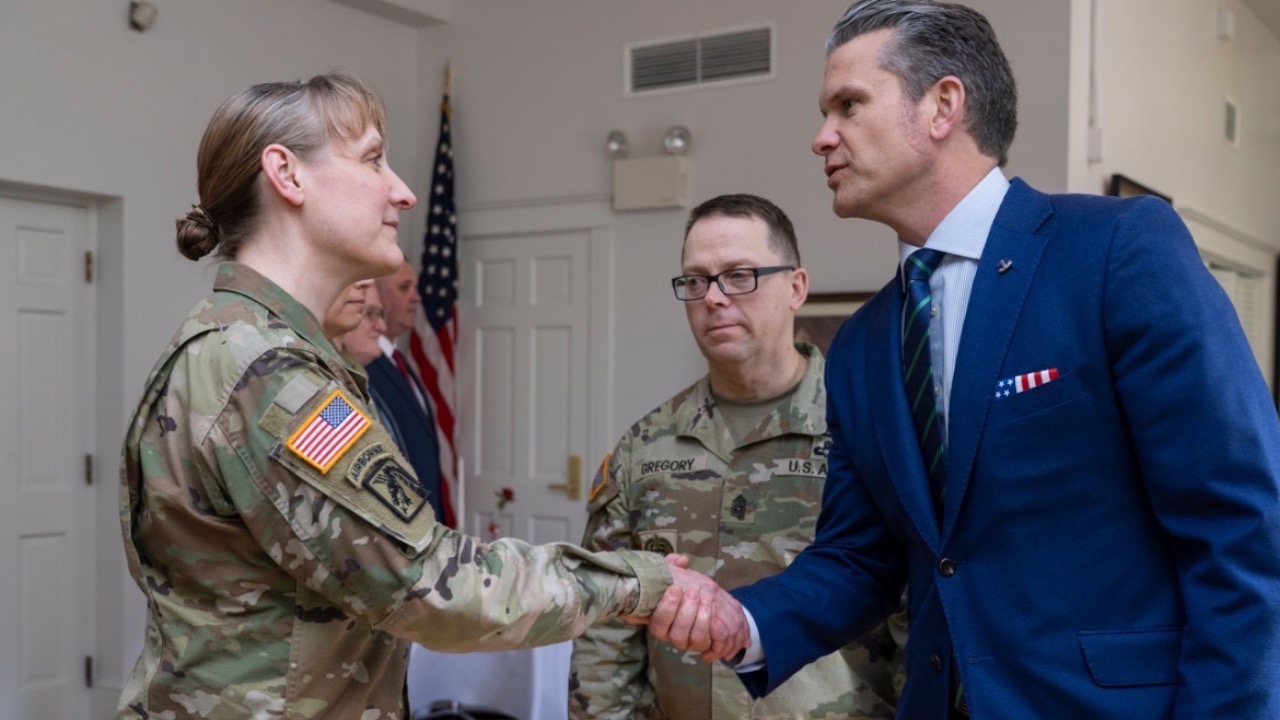
As Defense Secretary Pete Hegseth stood before the graduating class at West Point, he delivered remarks that mixed calls for renewed focus on merit with pointed criticism of recent military policies. The address, given during the 2026 commencement, touched on leadership, standards, and loyalty in combat. Yet parts of it quickly sparked pushback from experienced voices in the military community. One former commander stepped forward to challenge claims he saw as disconnected from how the armed forces actually operate.
You might expect a defense secretary’s speech at a place like West Point to emphasize duty and readiness. Instead, the reaction highlighted deeper tensions over what guidance service members should receive when facing hard choices on the battlefield.
The core message in Hegseth’s remarks
Hegseth told cadets that the Trump administration would stand behind them in tough moments. He stressed that their hands would be untied when making split-second decisions, regardless of whether those choices later appeared right or wrong. The secretary framed this as a way to restore confidence and combat effectiveness after what he described as years of unnecessary complications.
This section of the speech aimed to signal strong support from civilian leadership. Hegseth positioned it as encouragement for decisive action in dangerous situations. Yet the wording left room for interpretation about boundaries and accountability.
A former commander’s immediate reaction
Retired Lt. Gen. Mark Hertling, who once led U.S. Army forces in Europe, listened to the address and voiced clear concern. He described the assurance of unconditional backing as something that did not align with military reality or legal standards. Hertling warned that such language could weaken discipline across the ranks.
His comments came during a podcast discussion where he examined the speech in detail. The general pointed to recent examples where service members faced consequences for actions that crossed established lines, showing that support has practical limits even under strong leadership.
Why the legal context matters
Military personnel receive extensive training on rules of engagement and international law. These frameworks exist to protect both troops and the standards the country upholds. When senior officials appear to downplay those requirements, it raises questions about consistency in how the force operates.
Hertling noted that disregarding legal implications creates risks far beyond any single incident. It can erode trust in the chain of command and affect how units function together under pressure. His perspective carries weight from decades of service in complex environments.
Broader debate over standards and readiness
The speech also covered efforts to move away from diversity initiatives and what Hegseth called ideological influences at the academy. He argued for returning to merit-based advancement and traditional priorities. Supporters saw this as refreshing focus on core military needs.
Critics, including Hertling, countered that effective forces already draw strength from a range of backgrounds and experiences. They maintain that unity comes through shared training and purpose rather than dismissing factors that help build capable teams. The exchange reflects ongoing discussions inside and outside the Pentagon.
Potential effects on new officers
Graduates entering the Army now face a period of transition in policy direction. Hearing mixed signals about support and constraints could shape how they approach leadership roles early in their careers. Clear communication from the top helps set expectations without creating confusion.
Hertling’s alarm centered on the practical outcomes for discipline and national security. He suggested that messages implying blanket protection might encourage behavior that later requires correction, putting both individuals and the institution at risk.
Looking ahead in military leadership
Conversations like this one reveal the challenges of balancing encouragement with responsibility. West Point trains officers to think critically about decisions in the fog of war. External commentary from figures like Hertling adds context drawn from real operational experience.
As the Defense Department moves forward under Hegseth, these exchanges will likely continue. Service members and observers alike will watch to see how policy statements translate into day-to-day practice across the force. The goal remains a ready and effective military that maintains public confidence.

Asher was raised in the woods and on the water, and it shows. He’s logged more hours behind a rifle and under a heavy pack than most men twice his age.