US confirms new cases of New World screwworm, including in Texas
The parasite, known for its larvae that feed on living tissue, has ranchers and animal health experts on high alert. After years of successful eradication north of the border, the fly has advanced from outbreaks in Central America and Mexico. Early action focuses on containment to protect herds, pets, and wildlife across the region.
The Recent Detections and Spread
Federal and state teams identified the initial case in early June in a young calf from Zavala County in South Texas, where larvae appeared in the animal’s umbilical area. Additional confirmations followed quickly in nearby La Salle County with another calf, and further north in Gillespie County involving a goat.
One case in a dog, initially reported through a Texas veterinarian, was traced to Lea County in New Mexico. These findings show the parasite crossing some distance from the original cluster. Officials continue expanded surveillance to track any further movement while implementing quarantines and movement restrictions in affected zones.
How the Screwworm Operates
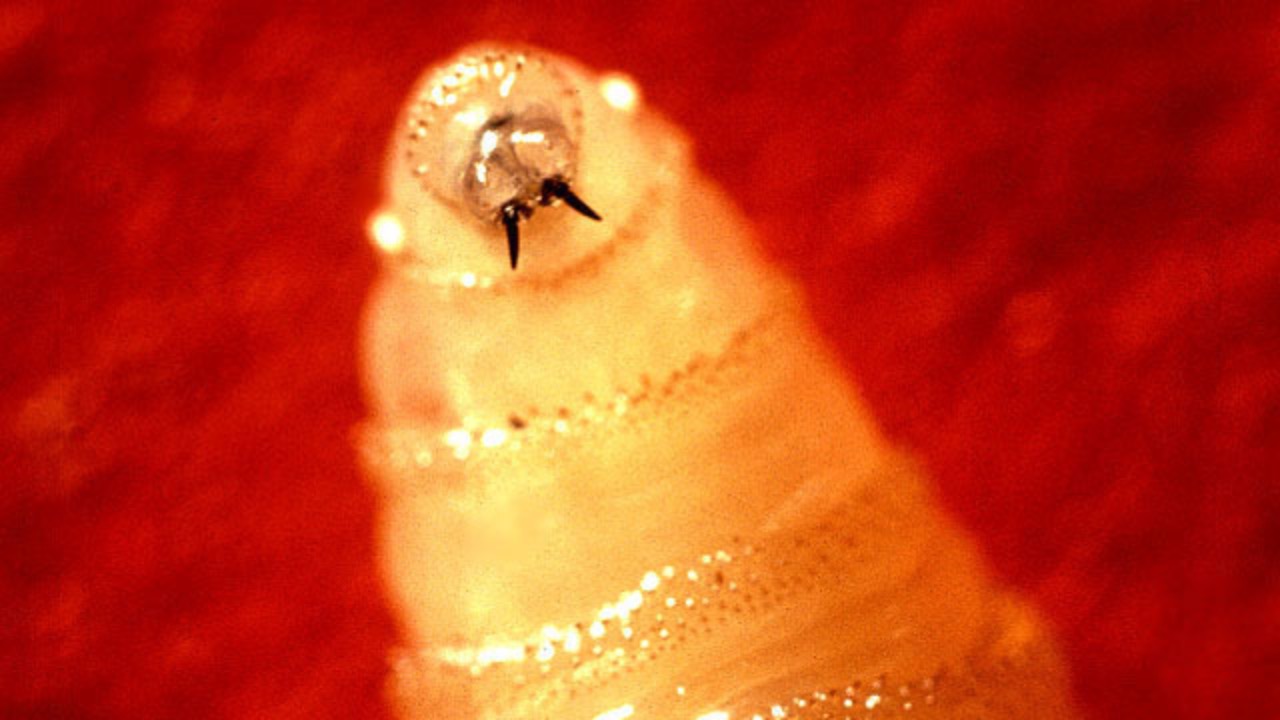
Female New World screwworm flies lay eggs in open wounds or moist areas on warm-blooded animals, including livestock, pets, and occasionally wildlife or people. Once hatched, the larvae burrow into healthy flesh, enlarging the wound as they feed and causing significant pain and tissue damage.
Left untreated, infestations can lead to severe complications, including secondary infections and potentially death. The flies target sites like navels in newborns, cuts from injuries or procedures, and other breaks in the skin. Adult flies resemble common houseflies in size but carry this distinct threat through their reproductive cycle.
Impacts on Livestock and Ranching
For cattle producers in Texas, the return of this pest raises concerns about potential losses in herds that form the backbone of local agriculture. Even limited cases prompt daily checks and extra vigilance, as untreated animals suffer rapid decline. Economic pressures mount from treatment needs, restricted animal movements, and market uncertainties.
Ranchers in South Texas and the Hill Country report heightened monitoring of calves and other vulnerable stock. The industry has faced similar challenges before and draws on past experience, but the current situation tests resources and coordination across state lines as officials work to limit wider disruption.
The Coordinated Response Underway
USDA’s Animal and Plant Health Inspection Service leads efforts alongside Texas authorities, deploying sterile male flies to disrupt breeding cycles, boosting trapping networks, and enforcing quarantines. Enhanced surveillance covers livestock, pets, and wildlife in and around confirmed areas.
Veterinarians and producers receive guidance on proper wound inspection and reporting. The strategy mirrors successful programs from the 1960s that once cleared the United States, emphasizing rapid containment through science-based tools and community cooperation to prevent establishment.
Prevention Steps You Can Take
Check animals regularly for any wounds, paying close attention to newborns, those with recent injuries, or signs of irritation. Clean and treat cuts promptly, and report suspicious maggot activity to your veterinarian or local animal health officials without delay.
Avoid moving animals from affected regions unless cleared, and stay informed through USDA and Texas Animal Health Commission updates. Simple practices like these, combined with professional intervention when needed, help safeguard your animals and slow any potential advance of the fly.
Looking Ahead on Containment Efforts
Health teams express measured confidence based on historical success with sterile insect techniques and swift initial actions. The focus remains on eradication before the pest gains a foothold in the broader U.S. ecosystem. Ongoing monitoring and research will shape longer-term strategies.
For now, the situation calls for steady attention from everyone involved with animals in the region. Continued collaboration between agencies, producers, and the public stands as the best path to resolving these cases and restoring normal operations.

Asher was raised in the woods and on the water, and it shows. He’s logged more hours behind a rifle and under a heavy pack than most men twice his age.