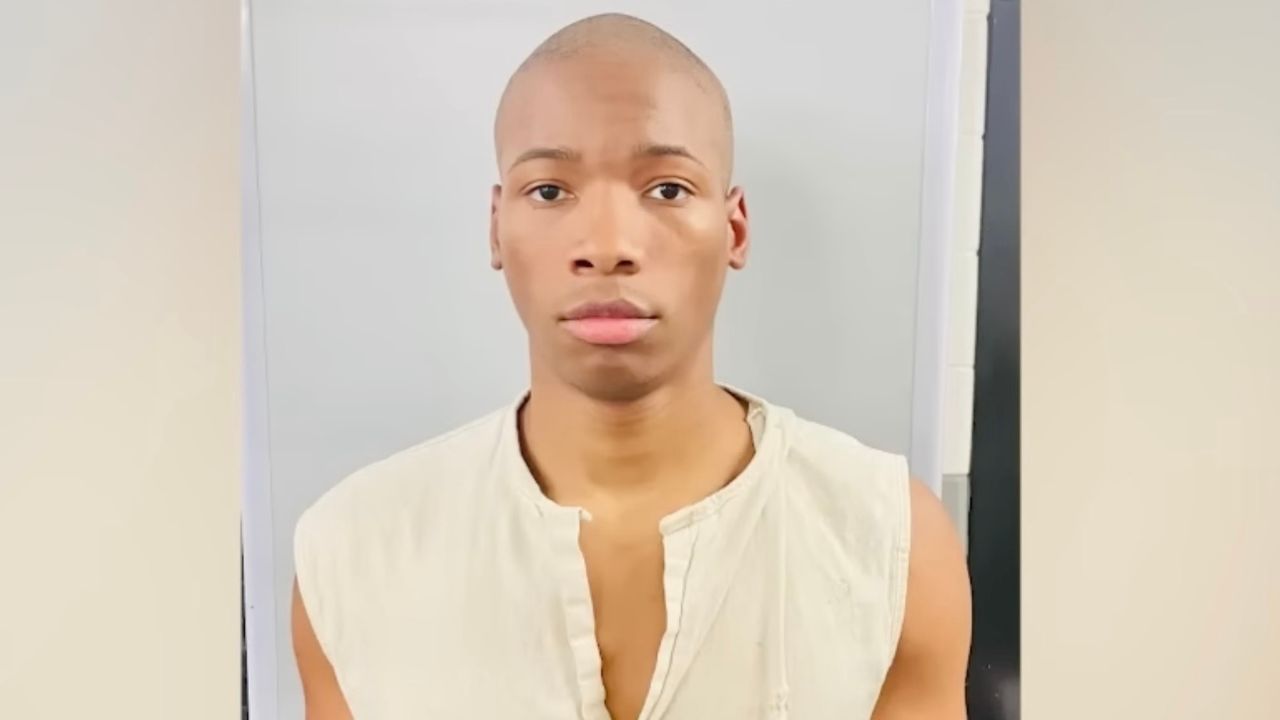
Karmelo Anthony says he is ‘penniless’ and cannot afford appeal lawyer despite receiving $625,000 after murder conviction
You might find it striking how quickly the conversation shifts after a high-profile conviction. Karmelo Anthony, the 19-year-old convicted of stabbing 17-year-old Austin Metcalf to death at a Frisco track meet in April 2025, wasted little time filing paperwork to challenge his 35-year prison sentence. A jury in Collin County reached the guilty verdict in under three hours, rejecting Anthony’s self-defense argument in a case that drew intense scrutiny over the details of the confrontation under a team tent during rainy weather.
The sentencing came swiftly after the verdict on June 9, 2026. Anthony now sits in a Texas state prison, but his legal team has already signaled plans to appeal, citing what they see as important issues worth reviewing. This development keeps the story alive in public debate, even as questions mount about resources and accountability.
The Notice of Appeal and Request for Court-Appointed Counsel
Anthony filed the notice of appeal just one day after his conviction and sentencing. In the documents, he described himself as a “penniless, destitute, and indigent person” too poor to hire a lawyer for the next stage. This pauper’s oath asks the court to appoint a public defender at taxpayer expense, a standard process for those who qualify, though judges ultimately decide eligibility.
Legal observers note that appeals focus on trial errors or procedural matters rather than retrying facts. Anthony’s trial attorney, Mike Howard, has said there are several points worthy of higher court review, emphasizing that the appeal process serves as a key safeguard in the justice system. How the court weighs Anthony’s financial claims against prior funding will likely shape what happens next.
Fundraising Efforts That Preceded the Verdict
Before and during the trial, Anthony’s family ran a GiveSendGo campaign that raised around $625,000 or more for legal defense, living expenses, and relocation amid reported threats. The platform later removed the fundraiser following the conviction. Supporters contributed in large numbers, with some public figures adding their voices and pledges to the cause.
Exactly how those funds were spent remains unclear to outsiders. Anthony’s mother had previously spoken about using the money for his defense and family needs. The rapid shift to claiming inability to afford appellate counsel has sparked widespread discussion online and in media about transparency and the handling of such donations after a guilty verdict.
Details of the Fatal Track Meet Confrontation
The incident unfolded on April 2, 2025, at a district track meet in Frisco. Anthony, then 17 and attending Centennial High School, entered the tent of a rival team from Memorial High School while rain fell. Witnesses described repeated requests for him to leave before the confrontation escalated into a fatal stabbing of Austin Metcalf, a standout 17-year-old athlete.
Prosecutors argued Anthony provoked the encounter and brought a knife. The defense maintained self-defense, but the jury did not accept that account after reviewing evidence, including surveillance footage. Metcalf died in his twin brother’s arms, turning a routine school event into a tragedy that still resonates across the community.
Reactions and Broader Questions in the Case
Public response to the conviction and appeal filing has been sharply divided. Some see the request for appointed counsel as routine legal procedure, while others question the optics given the earlier crowdfunding success. Discussions often touch on race, self-defense laws, and accountability for young people in violent situations.
Anthony’s move to state prison happened quickly after sentencing. His family has spoken publicly since the verdict, expressing their perspective on the outcome. The case highlights ongoing tensions in how society views youth crime, fundraising in legal battles, and the appeals process that follows serious convictions.
What Comes Next for the Appeal Process
A judge will review Anthony’s indigency claim to decide on appointing counsel. Appeals in Texas typically go to higher courts, where attorneys examine the trial record for potential reversals or new proceedings. This step can take months or longer, offering time for both sides to prepare arguments.
For now, the focus remains on whether the funds raised earlier affect eligibility and how thoroughly the courts scrutinize the original trial. The story of Karmelo Anthony continues to unfold, reminding many of the complex layers in cases that capture national attention long after the initial verdict.

Asher was raised in the woods and on the water, and it shows. He’s logged more hours behind a rifle and under a heavy pack than most men twice his age.