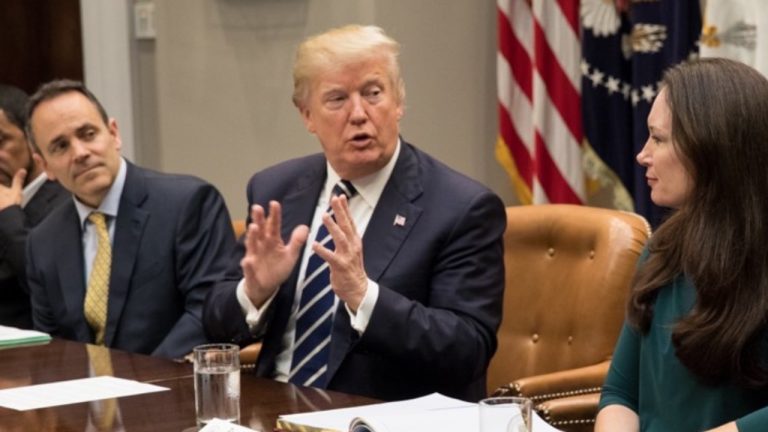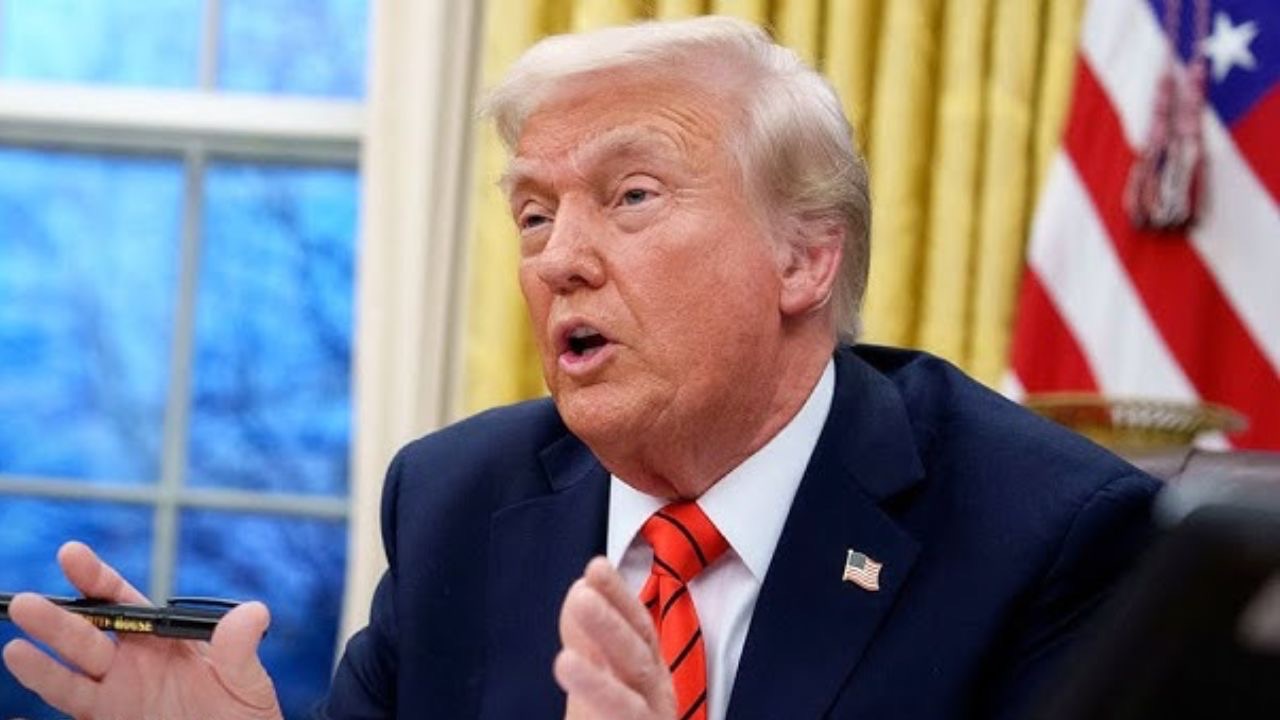
Trump sets out strict Iran nuclear deal terms including full dismantlement of programme and end to terrorist funding
President Donald Trump has laid out firm conditions for any potential nuclear agreement with Iran, insisting on the complete dismantlement of its nuclear program and an end to the regime’s support for militant groups across the region. This approach reflects his long-standing skepticism toward earlier diplomatic efforts and comes amid ongoing tensions following military actions and stalled talks. Observers note that these demands go well beyond the framework of the 2015 deal, aiming to eliminate pathways to weapons development while addressing broader security concerns.
Trump’s Push for Full Nuclear Dismantlement
Trump has made clear that any deal must involve the total elimination of Iran’s uranium enrichment capabilities and the removal or destruction of its existing stockpiles of enriched material. Officials have pointed to facilities like Natanz, Fordow, and others as targets for verifiable shutdowns, with no allowance for domestic enrichment activities even at low levels.
This stance builds on previous U.S. actions, including strikes that damaged key sites, and seeks to prevent Iran from maintaining any infrastructure that could quickly pivot toward weapons production. Experts highlight the challenge of verifying such steps given past concealment efforts by Tehran. Supporters argue this level of restriction is necessary to remove the threat permanently, while critics worry it leaves little room for compromise in negotiations.
Demands to Cut Off Funding for Regional Militants
Beyond the nuclear file, Trump’s conditions include a firm commitment from Iran to halt financial and material support for proxy groups such as Hezbollah, the Houthis, and others involved in conflicts across the Middle East. U.S. officials have long viewed these networks as extensions of Iranian influence that destabilize neighboring countries and threaten international shipping routes.
The administration sees ending this funding as essential to any broader agreement, linking it directly to sanctions relief. Past deals failed to curb these activities, according to Trump, which allowed resources to flow toward militant operations. Progress on this front could open pathways for reduced tensions, but Iran has historically resisted tying its foreign policy to nuclear discussions.
Context of Renewed Negotiations
Talks between the U.S. and Iran have continued through intermediaries, with recent sessions focusing on a potential ceasefire extension and initial steps on nuclear issues. Trump has expressed optimism about reaching an understanding but has repeatedly emphasized that the terms must eliminate any risk of Iran developing nuclear weapons, even a small one.
These discussions follow periods of heightened military activity, including U.S. and Israeli strikes on Iranian assets. The current round builds on earlier deadlines and proposals, such as those involving the disposal of highly enriched uranium stockpiles estimated in the hundreds of kilograms. Both sides appear cautious, with public statements underscoring core red lines.
Regional and International Implications
The outcome of these efforts carries significant weight for stability in the Persian Gulf and beyond. Successful dismantlement could ease concerns among U.S. allies like Israel and Gulf states, potentially leading to broader economic openings for Iran if it complies. Failure, however, risks further escalation and prolonged sanctions that have strained the Iranian economy.
European partners and other international actors have watched closely, with some advocating for a balanced approach that includes verification mechanisms. The process tests the limits of maximum pressure tactics combined with diplomatic engagement, a pattern from Trump’s first term now playing out under different circumstances on the ground.
Challenges Ahead in Reaching Agreement
Iran has pushed back against demands for zero enrichment and full infrastructure removal, viewing them as threats to its sovereign rights under international treaties. Tehran has signaled willingness for limited suspensions or supervised activities but insists on retaining some domestic capacity for civilian purposes.
U.S. negotiators face the task of bridging these gaps while maintaining leverage through sanctions and security partnerships. Analysts point out that trust remains low on both sides due to decades of mistrust and broken commitments. Any final deal would likely require robust inspection regimes and phased implementation to build confidence over time.
This developing story continues to shape U.S. foreign policy priorities in the region, with Trump positioning the strict terms as the only path to lasting security.

Asher was raised in the woods and on the water, and it shows. He’s logged more hours behind a rifle and under a heavy pack than most men twice his age.