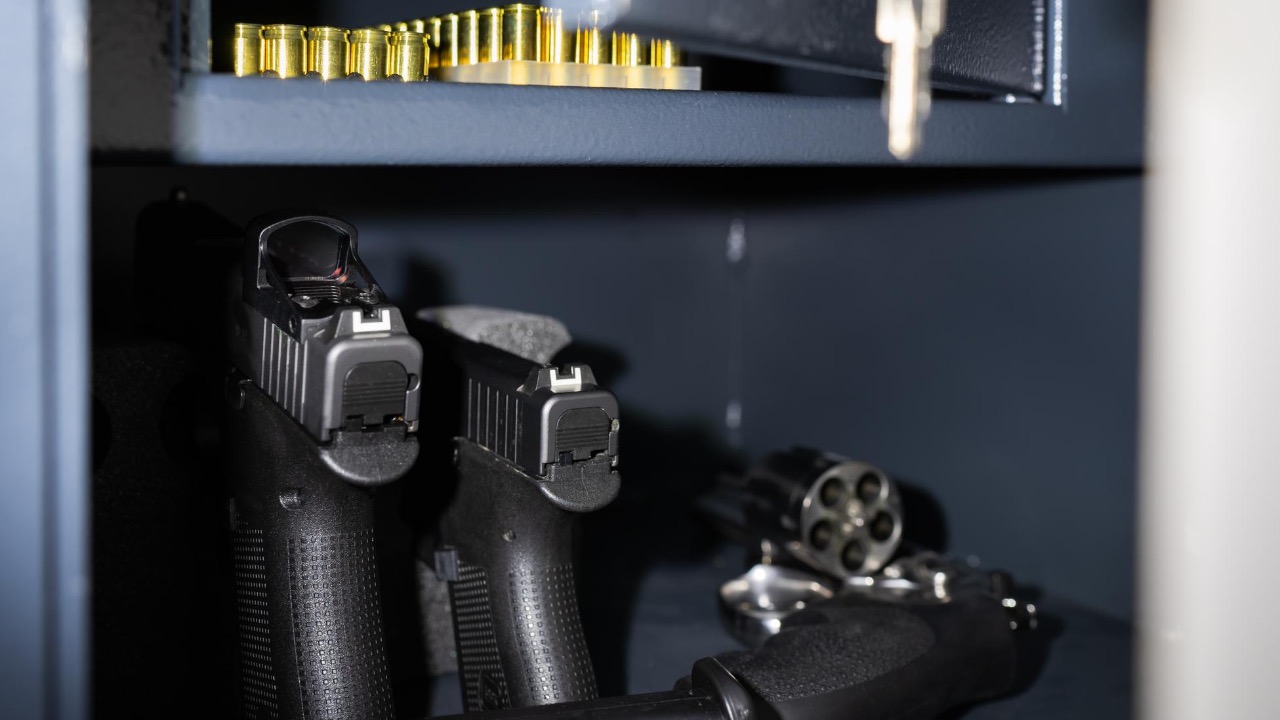
Top 10 Guns That Earned a Permanent Spot in the Safe
Every gun safe tells a story about what actually works when range trips, hunting seasons, and training classes stack up. Some firearms rotate in and out, but a small group proves so reliable, accurate, and versatile that they become permanent fixtures. This look at ten such standouts focuses on why certain models earn that status, how the list has shifted, and what those changes suggest about where shooters are headed next.
Refining a “top 10” that shooters actually live with
The most striking change in any long term safe list is the gradual drift away from novelty and toward proven workhorses. Early versions of many personal top tens leaned heavily on flashy calibers and niche roles. Over time, those slots tend to be reclaimed by firearms that handle multiple jobs, from home defense to field use, without constant tinkering.
Polymer framed striker fired pistols illustrate that evolution. Where metal framed classics once dominated, a modern 9 mm with a reliable track record, broad holster support, and factory optics cuts often replaces several older handguns. Owners report that one well sorted carry pistol, backed by plentiful magazines and a dialed in holster, sees more use than a shelf of rarely fired curios.
Rifles have followed a similar path. Safes that once held a mix of heavy target builds and obscure calibers now often center on a single, trusted 5.56 or .308 platform that can shift from range work to varmint control or defensive roles with nothing more than a magazine and optic change. The guns that stay are the ones that run cleanly through high round counts, accept common accessories, and can be repaired with off the shelf parts instead of obscure components.
Shotguns have seen a quiet reshuffle as well. Dedicated competition models sometimes give way to a single 12 gauge that can pull duty on clays, birds, and security with a barrel swap. The firearms that keep their spots are not always the most specialized, but they are the ones owners reach for without hesitation when time is short and stakes feel higher.
How permanent safe residents differ from “fun guns”
The guns that survive repeated clean outs share a few traits that set them apart from impulse buys. Reliability sits at the top of that list. A pistol or carbine that runs with a wide range of ammunition, in heat, cold, and neglect, earns trust that a finicky but exciting design rarely matches. That trust is built over thousands of rounds and many range days where the gun simply works.
Support gear also matters more than many new buyers expect. Firearms with strong aftermarket backing, from quality holsters and slings to spare parts and magazines, are easier to keep in rotation. A rifle that accepts standard pattern magazines and common optics rails is far more likely to stay than one that requires proprietary accessories or gunsmith only adjustments.
Maintenance and ergonomics play a quieter but persistent role. Owners gravitate toward guns that are easy to field strip, clean, and reconfigure. They also hold on to platforms that fit a wide range of shooters in the household through adjustable stocks, interchangeable backstraps, or simple sight upgrades. A firearm that multiple family members can run confidently tends to win a long term slot over a more idiosyncratic favorite.
Cost of training can be decisive as well. Guns chambered in affordable, widely available calibers see more range time, which in turn reinforces skill and confidence. When ammunition prices spike, shooters often consolidate around platforms they can still afford to practice with regularly, and those platforms become the permanent core of the collection.
Specific models that keep showing up in safes
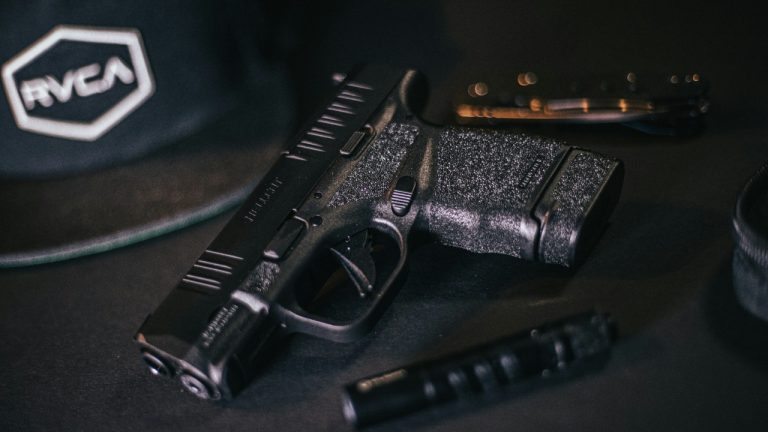
While every shooter’s list is personal, certain categories appear again and again when owners describe the firearms they will not part with. A compact or mid size 9 mm pistol from a major manufacturer typically anchors the defensive side of the safe. Its blend of capacity, manageable recoil, and holster options makes it a default choice for concealed carry and home use alike.
Beside it, a duty sized handgun in the same caliber often holds a permanent slot, especially for those who train in structured classes. The ability to share magazines and manual of arms between carry and training pistols reduces complexity and keeps practice efficient. Night sights and an optics ready slide are now common features that extend the pistol’s relevance over years of incremental upgrades.
On the rifle rack, a quality 5.56 carbine with a free floated barrel and mid length gas system is a frequent anchor. Shooters value its balance between weight and controllability, and the platform’s long history of parts compatibility means a broken component rarely sidelines the gun for long. Many pair it with a .22 LR trainer that mimics the controls and feel, which lowers practice costs while preserving muscle memory.
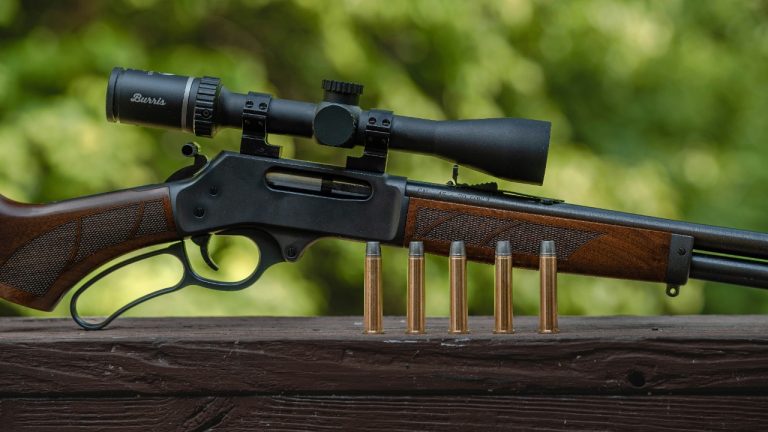
For hunting and precision work, a .308 or 6.5 mm bolt action with a proven barrel and smooth action often earns a lifetime place. Owners who invest in a durable optic and a stable stock or chassis find that such rifles outlast trends in caliber fashion. They become the default choice for deer seasons, range days past 500 yards, and any situation where first round hits matter more than rate of fire.
Rounding out the ten, a 12 gauge pump or semi automatic shotgun, a compact pistol caliber carbine that shares magazines with a primary handgun, and a small frame .22 LR pistol for teaching new shooters all appear frequently in permanent safe rosters. Each fills a distinct role that justifies the space it occupies.
Why this short list matters more right now
Consolidating around a handful of trusted guns has taken on new weight as buyers face higher costs and more crowded product lines. Ammunition prices, training fees, and accessory spending all push owners to extract more value from fewer firearms. A carefully chosen core set reduces redundancy and channels money into practice, quality optics, and secure storage instead of constant experimentation.
The same logic shows up in other gear heavy hobbies. For example, reviews of the best glue guns highlight how a few reliable, versatile tools can replace a drawer full of cheap gadgets. Gun owners face a similar decision: invest in a small group of platforms that perform across many tasks, or chase every new release and spread resources thin.
Safety and legal considerations also push shooters toward a stable core. Knowing exactly how each primary firearm behaves under stress, how its safety mechanisms operate, and how it patterns or groups with chosen loads can matter during defensive incidents or hunting shots on live animals. Familiarity reduces the risk of user error that can come from juggling too many different designs.
Training communities reinforce this trend. Instructors often encourage students to bring the guns they actually plan to rely on, not the most exotic option in the safe. Repeated exposure to structured drills with the same platforms builds a feedback loop, where shooters refine their setups based on real performance rather than marketing claims.
How the next generation of “keepers” is taking shape
Looking ahead, the list of guns that earn permanent status is likely to shift again, but the criteria that define a keeper are not changing much. Reliability, support, and versatility will still carry the most weight. What will evolve is how manufacturers meet those expectations in areas like optics integration, suppressor compatibility, and modular ergonomics.
Optics ready slides and factory cut receivers are already becoming standard on handguns and carbines that aim for long term relevance. Shooters who once hesitated to modify slides or upper receivers now expect to mount red dots and low power variable optics without gunsmith work. Firearms that ship with these features out of the box are better positioned to stay in safes as technology and preferences move.

Leo’s been tracking game and tuning gear since he could stand upright. He’s sharp, driven, and knows how to keep things running when conditions turn.