Pete Hegseth claims US has ‘controlled the straits the entire time’ in CBS interview
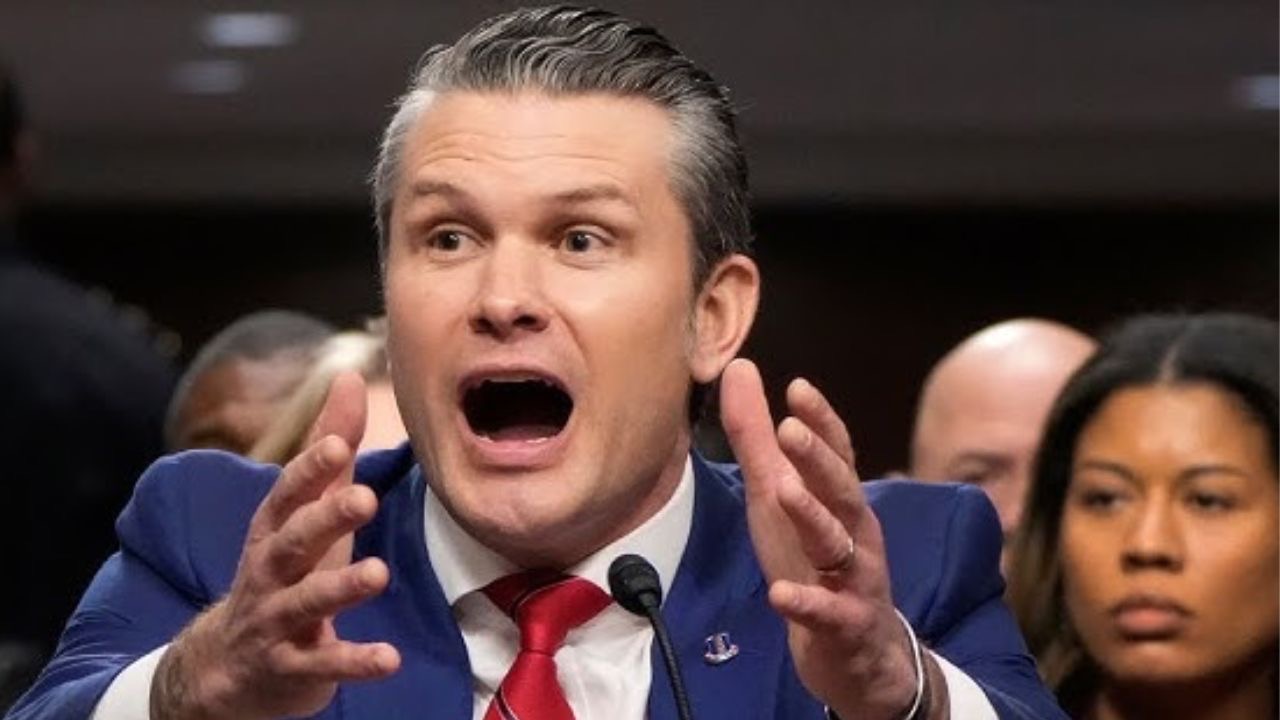
Defense Secretary Pete Hegseth appeared on CBS’s Face the Nation to address ongoing tensions with Iran and efforts to stabilize key maritime routes. He emphasized American naval operations in the region amid a fragile ceasefire framework. Hegseth’s comments came as discussions continue over a potential memorandum of understanding that could ease restrictions on shipping through critical waterways.
His remarks highlighted what he described as sustained U.S. operational dominance despite challenges from Iranian actions that disrupted global energy flows earlier in the conflict.
Hegseth Asserts Sustained Control Over Key Waterway
Pete Hegseth stated during the interview that U.S. forces had maintained control of the Strait of Hormuz throughout the period of heightened tensions with Iran. He pointed to ongoing naval efforts that allowed significant volumes of oil to pass through the area under American oversight.
Hegseth noted that Project Freedom continued without interruption. According to him, this initiative facilitated the transit of 125 million barrels of oil, with Iranian vessels unable to breach the established measures. He framed these outcomes as evidence of effective deterrence even as diplomatic talks advanced.
Details of Project Freedom and Naval Operations
The Defense Secretary described Project Freedom as a covert component of broader strategy that kept commercial traffic moving. He stressed that no Iranian ships successfully navigated the U.S.-imposed restrictions during this time. This assertion underscored the Navy’s role in protecting international shipping lanes critical to global energy markets.
These operations reportedly relied on a fraction of overall U.S. naval capabilities. Hegseth used the example to illustrate how American presence shaped conditions on the water, limiting Iran’s ability to disrupt flows despite public threats from Tehran.
Timeline for Reopening the Strait Remains Fluid
Hegseth outlined a phased approach tied to any signed agreement with Iran. He indicated that reopening would begin immediately upon a deal but clarified that the blockade would persist initially as conditions evolved. The process could take anywhere from two weeks to 30 days to fully mature, he said.
Interviewer Margaret Brennan pressed on the apparent contrast between claims of control and the need for negotiations. Hegseth maintained that the U.S. position remained performance-based, with additional steps already underway to support safe passage, though specifics stayed classified.
Broader Context of U.S.-Iran Ceasefire Efforts
The Strait of Hormuz has served as a focal point in recent U.S.-Iran dynamics, especially after disruptions that drove up oil prices and affected worldwide supply chains. Hegseth’s comments align with administration goals of securing unrestricted access while advancing talks on nuclear issues and regional stability.
Critics have noted the complexities in messaging, particularly as mediators work toward extensions of any truce. Hegseth’s appearance reflected the administration’s push to project strength while pursuing diplomatic openings that could reduce long-term military commitments in the Gulf.
Implications for International Shipping and Allies
Hegseth has previously called on U.S. partners to contribute more to securing the waterway, describing it as an international concern rather than solely an American responsibility. This stance builds on earlier statements urging allies to support efforts that benefit global trade.
The outcome of current negotiations could influence energy markets for months to come. Sustained U.S. naval presence, combined with any agreements, may help restore confidence for commercial operators wary of lingering risks in the region.

Asher was raised in the woods and on the water, and it shows. He’s logged more hours behind a rifle and under a heavy pack than most men twice his age.