Doorbell cameras could lead to lawsuits as laws prohibit recording neighbours’ conversations without consent
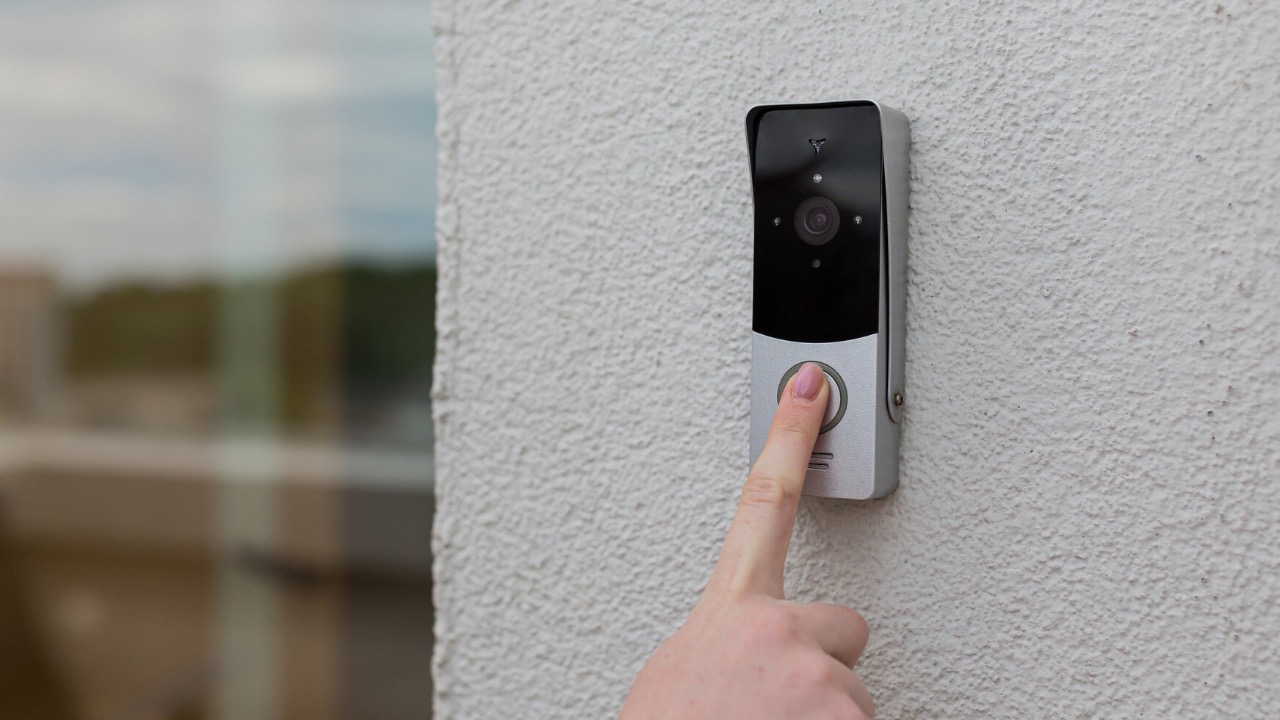
Doorbell cameras have transformed how people secure their homes, but they sit at the center of growing tensions over privacy and technology. These devices capture clear video of visitors and passersby, often streaming straight to your phone. Yet the audio component raises serious questions under state and federal laws. Many homeowners install them without realizing they might cross into recording neighbors’ talks unintentionally, opening the door to disputes or even court action.
The legal landscape varies by location, with some states demanding all parties consent to audio capture in conversations where privacy feels expected. Video alone tends to face fewer hurdles in public-facing areas, but push the boundary with sound or intrusive angles and problems can arise fast. Awareness helps avoid turning a simple security upgrade into a neighborhood conflict.
How Doorbell Cameras Capture More Than Intended
These systems activate on motion and often record both video and audio extending beyond your property line. Neighbors chatting on their porch or in a shared driveway might get picked up without realizing it. The convenience of two-way talk features adds another layer, as exchanges get stored in the cloud.
Over time, this constant surveillance builds unease. What starts as protection for your front step can feel like monitoring to the people next door. Courts examine whether individuals had a reasonable expectation that their words would stay private in those moments.
State Laws Shape the Risks Involved
Some states operate under one-party consent rules for audio, allowing recording if at least one person involved agrees. Others require everyone in the conversation to know and approve. In stricter areas, your doorbell picking up neighbor discussions could violate wiretap statutes even if you never intended to listen in.
Placement matters too. Cameras aimed purely at your entry often stay within bounds. But tilt one toward a neighbor’s yard or windows and claims of invasion of privacy gain strength. Checking local rules before installation prevents headaches down the line.
When Neighbors Decide to Push Back
Disputes flare when someone feels their daily life is under watch. A casual conversation about plans or complaints might end up saved and shared, leading to accusations of harassment or illegal surveillance. In shared spaces like duplexes or townhomes, these issues intensify quickly.
Lawsuits have emerged over footage capturing private backyards or sensitive talks. Outcomes depend on specifics like camera angle, audio settings, and how the material gets used. Some cases settle quietly with camera adjustments or payments, while others test broader privacy precedents.
Practical Steps to Minimize Trouble
Consider disabling audio recording if your area leans restrictive. Many devices let you set motion zones that limit capture to your own space. Clear signage about surveillance also signals awareness to visitors and neighbors alike.
Talk with people nearby about the setup. Open dialogue can ease suspicions before they turn into formal complaints. Regular reviews of stored clips help ensure nothing crosses into unnecessary retention of others’ activities.
Courts Continue to Weigh In on These Cases
Judges look closely at context, asking whether recorded speech happened in a truly public setting or carried an expectation of privacy. Some rulings have allowed doorbell audio as evidence when talks occurred openly near homes. Others side with plaintiffs claiming unlawful data collection.
International examples, like a UK case where a neighbor successfully challenged Ring devices under data protection rules, highlight parallel concerns. Here in the U.S., evolving decisions underscore that technology outpaces clear statutes in many places. Staying informed remains key as more challenges reach the bench.
Balancing Security With Respect for Others
Home protection does not have to mean constant tension with those living closest. Thoughtful installation and mindful use keep the focus on safety without eroding community trust. Small choices, like muting audio or narrowing fields of view, make a real difference.
In the end, these devices reflect broader questions about where personal security ends and collective privacy begins. Navigating them carefully protects both your home and your relationships on the block.

Asher was raised in the woods and on the water, and it shows. He’s logged more hours behind a rifle and under a heavy pack than most men twice his age.