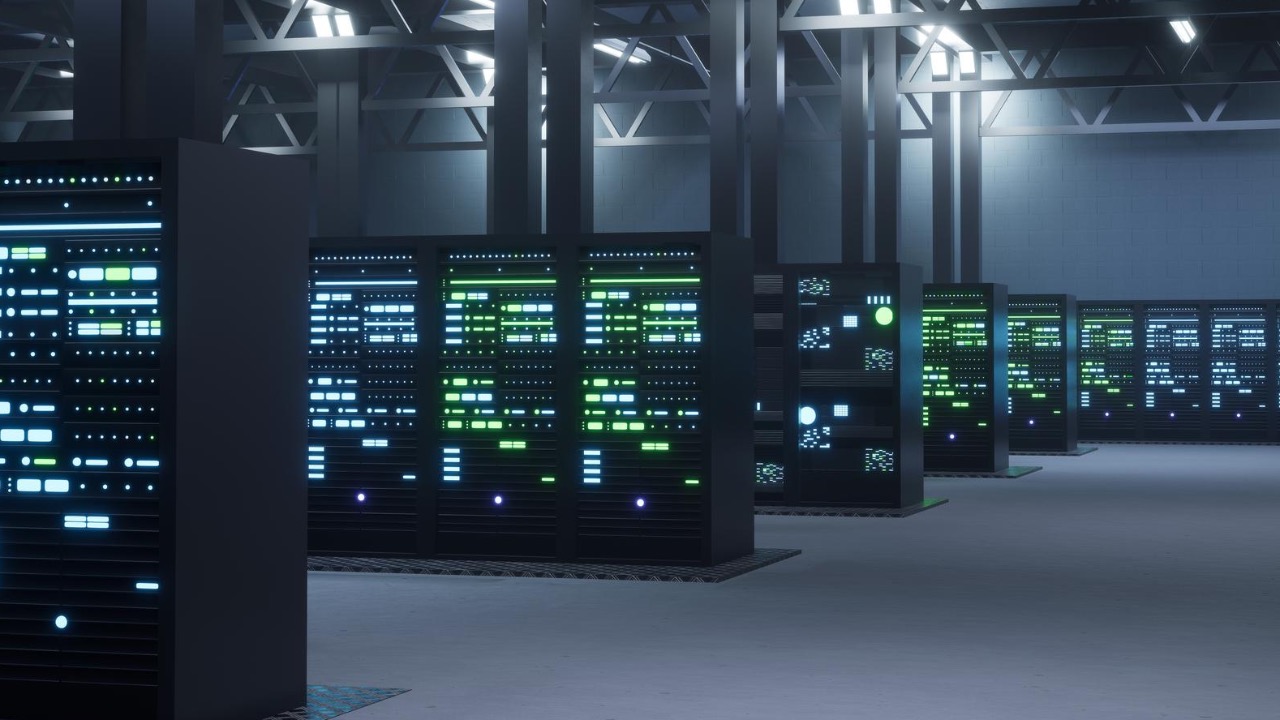
Tennessee passes landmark law forcing data centres to pay full cost of electricity infrastructure
Tennessee lawmakers recently approved a measure that shifts the financial burden of supporting large data centers onto the facilities themselves rather than local utility customers. This comes as the state sees growing interest from tech companies drawn to its available land and relatively affordable energy. The legislation addresses concerns that massive electricity needs from these operations could otherwise lead to higher bills for families and businesses across the region.
Governor Bill Lee signed the bill in early May 2026, making it one of the more direct responses yet to the rapid expansion of data infrastructure tied to artificial intelligence and cloud computing. The move reflects broader worries in many states about balancing economic growth with the practical realities of power supply.
The Rising Demand from Data Centers
Data centers consume enormous amounts of electricity to run servers that handle everything from online storage to advanced computing tasks. In Tennessee and similar areas, their presence has increased noticeably in recent years, often in rural spots where land costs less but grid capacity can be limited.
You notice the effects when new facilities require upgrades like additional substations or transmission lines. Without clear rules, utilities sometimes spread those expenses across all customers. Tennessee decided this approach no longer made sense for projects above a certain size, prompting the new requirements to keep costs from landing on everyday ratepayers.
What the Law Actually Requires
The legislation targets data centers with a peak demand of 50 megawatts or more in their first three years. Owners must cover the full expense of any electrical infrastructure built specifically to serve them, including lines, transformers, and related equipment.
Utilities cannot pass those dedicated costs onto residential or other commercial customers. Agreements remain possible, but only if improvements also benefit the wider system or follow standard large-customer rules. This setup gives operators flexibility while protecting the general public from unexpected rate hikes.
Protecting Everyday Electricity Users
Residents in Tennessee have watched national trends where data center growth in some places contributed to rising power bills. Lawmakers wanted to avoid that outcome here, especially in communities already managing tight budgets. The law ensures that the people paying standard rates do not subsidize high-demand operations.
You see this as a practical step to maintain fairness. It does not block data centers from coming to the state, but it sets clear expectations about who pays for the extra capacity they need. Supporters argue this keeps the playing field level for smaller businesses and households.
How Data Center Operators Respond
Companies planning facilities in Tennessee now factor these infrastructure costs into their budgets from the start. Some may choose to build their own power generation or work with independent providers to meet demands. Others will negotiate directly with utilities under the new guidelines.
The change brings more predictability. Operators know upfront what expenses they face rather than relying on uncertain cost-sharing arrangements. This could slow some projects but also encourages more efficient planning around energy use.
Context Within National Trends
Many states grapple with similar pressures as data centers multiply to support growing digital demands. Tennessee’s approach stands out for its direct assignment of costs to the facilities triggering them. It joins a wider conversation about grid capacity, rate equity, and long-term energy planning.
You recognize that no single law solves every challenge, yet this one offers a model for addressing immediate financial impacts. As technology evolves, more places may look at comparable measures to handle the power needs of modern computing without shifting burdens unfairly.

Asher was raised in the woods and on the water, and it shows. He’s logged more hours behind a rifle and under a heavy pack than most men twice his age.