Pistols That Disappoint When the Shot Counts
A pistol can look fine on paper, run well at the range, and ride comfortably in a holster, yet fall apart the moment the pressure climbs. When the shot truly matters—whether it’s a defensive scenario, a tough field shot, or a split-second decision in terrible weather—you learn quickly which handguns earned their reputation and which ones only benefitted from good marketing. Some models struggle with reliability, others with ergonomics, and a few simply don’t deliver the consistency their owners expect. These are the pistols that often seem serviceable right up until you actually need them.
Taurus PT111 Millennium (Early Generations)
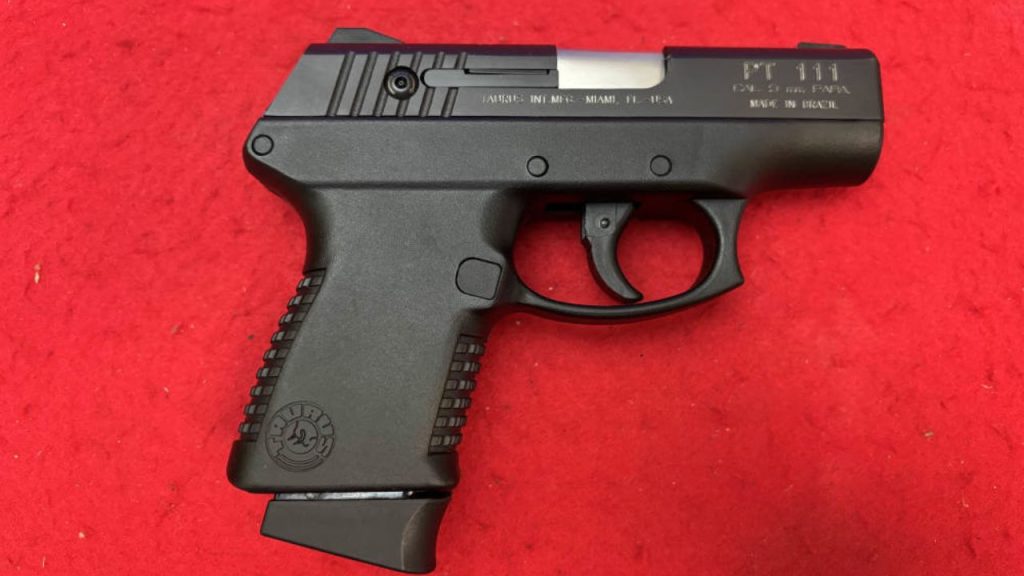
The early-generation PT111 Millennium gained popularity because it was affordable and easy to find, but reliability wasn’t always dependable. Light primer strikes showed up more often than felt comfortable, and some pistols struggled with feeding hollow-point ammunition. Under low stress at a range, those issues might go unnoticed, but they surface quickly when the shot is urgent.
The ergonomics also made consistent accuracy tough for many shooters. The long trigger pull and reset slowed follow-up shots, turning a seemingly practical carry gun into a frustrating tool when tight control mattered. Plenty of shooters moved on once they realized how unpredictable it could be under real pressure.
KelTec PF-9
The PF-9 filled a niche as a lightweight, very compact 9mm carry pistol, but its harsh recoil impulse and tendency toward malfunctions in certain loadings made it less dependable than many hoped. Limp-wristing wasn’t the only culprit—some examples simply didn’t run smoothly with defensive ammunition.
Under stress, the snappy recoil made grip consistency harder, which often worsened reliability. When shooters needed quick, confident follow-up shots, the PF-9 had a habit of reminding them that lightweight doesn’t always mean practical. It’s a pistol that looks appealing until it’s asked to perform beyond casual range work.
Remington R51 (2014 Release)
The original R51 re-release quickly built a reputation for issues ranging from failures to feed to misaligned parts. Although later production runs improved, the early models left many shooters without confidence in the platform. The pistol simply wasn’t predictable when the moment required clean cycling and dependable operation.
Its unusual design also required a firmer technique than most shooters were used to, which led to more malfunctions during fast or imperfect draws. When the pressure climbed, the R51 often revealed weaknesses the user hadn’t noticed during slow, controlled practice.
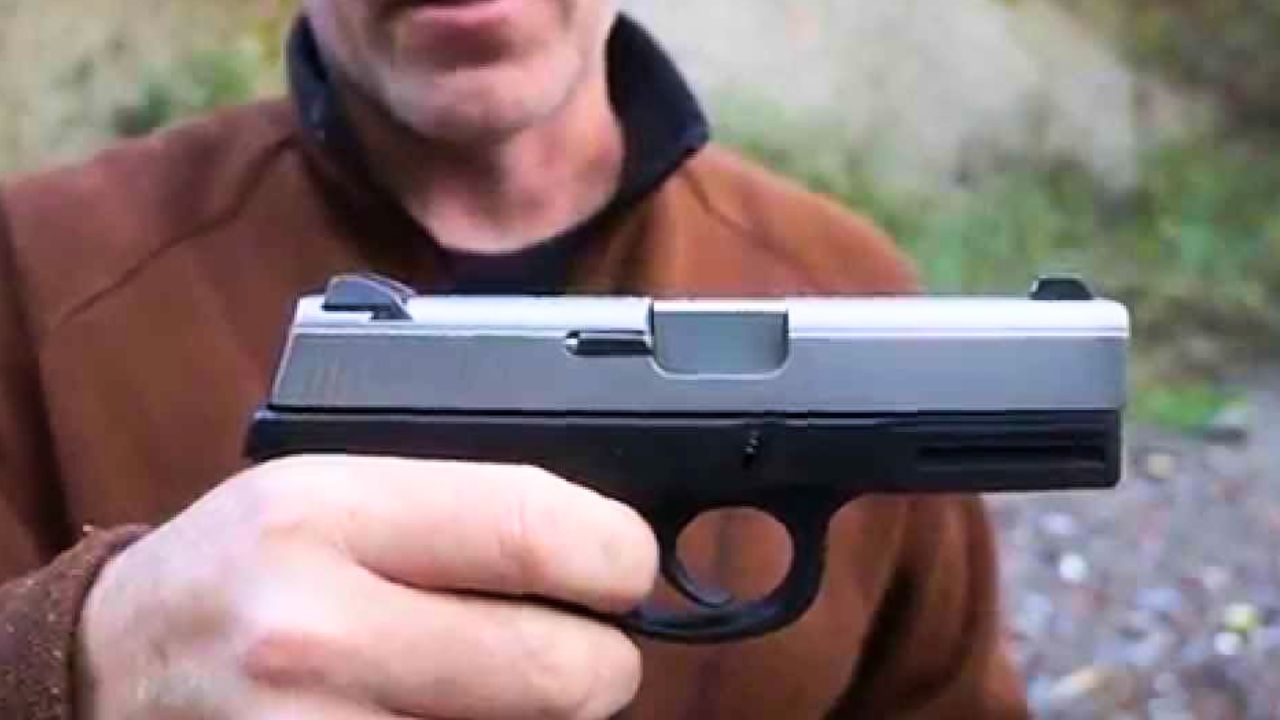
Smith & Wesson Sigma Series
The Sigma series offered a budget-friendly entry into polymer pistols, but the heavy trigger remains its most criticized feature. When adrenaline spikes, trigger control becomes critical, and the Sigma’s stiff, gritty pull has caused many shooters to struggle with shot placement.
Accuracy suffered for those who couldn’t adapt, and rapid-fire consistency was tough to maintain. While generally reliable mechanically, the trigger alone held the pistol back during high-stakes moments, making it a model many shooters eventually replaced with something more forgiving and predictable.
Kimber Solo Carry
The Kimber Solo Carry appealed to those wanting a premium micro-9, but real-life performance often fell far short of that promise. The pistol proved extremely picky about ammunition, functioning best with specific high-pressure loads and refusing to run reliably on common defensive rounds many shooters preferred.
Under pressure, that pickiness becomes a liability. A pistol that only works with select ammo limits your options and confidence. The Solo’s short grip and sharp recoil impulse also made accuracy harder to maintain during fast defensive strings, leading many owners to retire it early.
Rohrbaugh R9
The Rohrbaugh R9 was once praised for packing 9mm power into an incredibly small package, but that compactness comes with real-world limitations. The pistol was never rated for +P ammunition, and its recoil made extended practice difficult. More importantly, it struggled with reliability when not maintained meticulously.
In stressful scenarios where grip consistency suffers, the R9 often revealed sensitivity to shooting technique. It’s a pistol that demanded perfect conditions and perfect maintenance—two things you rarely have when the shot matters most.
SCCY CPX-1
While SCCY pistols have improved over time, early CPX-1 models had issues with safety levers loosening and feeding inconsistencies. That alone made many shooters wary of using it in situations requiring absolute confidence. The long, heavy trigger also made accurate, fast shots difficult under pressure.
The pistol’s affordability and light weight drew buyers in, but once they needed performance under stress, the shortcomings became more apparent. Many owners eventually upgraded after experiencing malfunctions during defensive drills or rapid-fire strings.
Beretta Nano
The Beretta Nano was built to compete in the concealed-carry market, but its lack of external controls and sometimes sluggish cycling made it feel unresponsive when speed mattered. Some shooters reported intermittent failures to eject with certain defensive loads, especially under less-than-perfect grip conditions.
While its compact frame made it comfortable to carry, it didn’t always deliver the confidence needed in urgent situations. The Nano performed fine at slow pace on a range, but when the shot counted, the lack of consistency pushed many shooters toward more reliable micro-9s.
Taurus G2C (Early Production)
The G2C has become more dependable in recent years, but early examples had occasional feeding issues—particularly with hollow points—and triggers that varied noticeably from gun to gun. Under high stress, an unpredictable trigger pull and inconsistent cycling make precision and confidence harder to maintain.
While it developed into a more dependable platform over time, many hunters and carry users learned the hard way that early models weren’t ready for demanding situations. The gun’s reputation still carries some of that baggage today.
Ruger LC9 (Original Model)
The original LC9 was sized perfectly for concealed carry, but its long, heavy trigger made fast, accurate shooting challenging. When adrenaline spikes, smooth trigger control becomes crucial, and many shooters found themselves pulling off target or struggling with quick follow-up shots.
Although reliable mechanically, the pistol underperformed when shooters needed speed and precision simultaneously. Later Ruger models corrected many of these issues, but the original LC9 often disappointed the moment accuracy really mattered.
Kahr CW9
The CW9 offered a slim, practical design, but some users experienced failures to feed during rapid strings or when shooting from compromised positions. The break-in period tended to be longer than other pistols in its class, which caught many new owners off guard.
Under pressure, when technique isn’t perfect, the CW9 could become less predictable than desired. Its smooth, but long trigger pull made precise control harder when speed was required. Once mastered, it’s serviceable—but many shooters found it disappointing in early real-world pressure scenarios.
Walther CCP (Original Gas-Delayed Version)
The original Walther CCP used a unique gas-delayed system that added complexity without delivering the level of reliability many expected. Early models were recalled due to safety concerns, and even post-recall versions had occasional gas-system inconsistencies that affected cycling.
In calm range sessions, it might feel fine. But in stressful, high-tempo situations, the CCP sometimes hesitated where simpler designs would have fired and cycled without complaint. When the shot must happen now, unpredictable mechanics leave shooters frustrated and uneasy.

Leo’s been tracking game and tuning gear since he could stand upright. He’s sharp, driven, and knows how to keep things running when conditions turn.