
Tackle choices that make clear water harder to fish
Clear water exposes everything. Your bait, your line, your boat position, and every bad decision shows up fast. Fish living in clear water see more pressure and have more time to study what you’re offering. That means tackle choices matter more than spot selection some days. The wrong gear can turn willing fish into ghosts, even when you’re around plenty of them. A lot of tackle works fine in stained or dirty water but becomes a liability when visibility stretches deep. These are common tackle choices that quietly stack the odds against you when the water clears up and the fish get cautious.
Heavy Fluorocarbon on Finesse Presentations
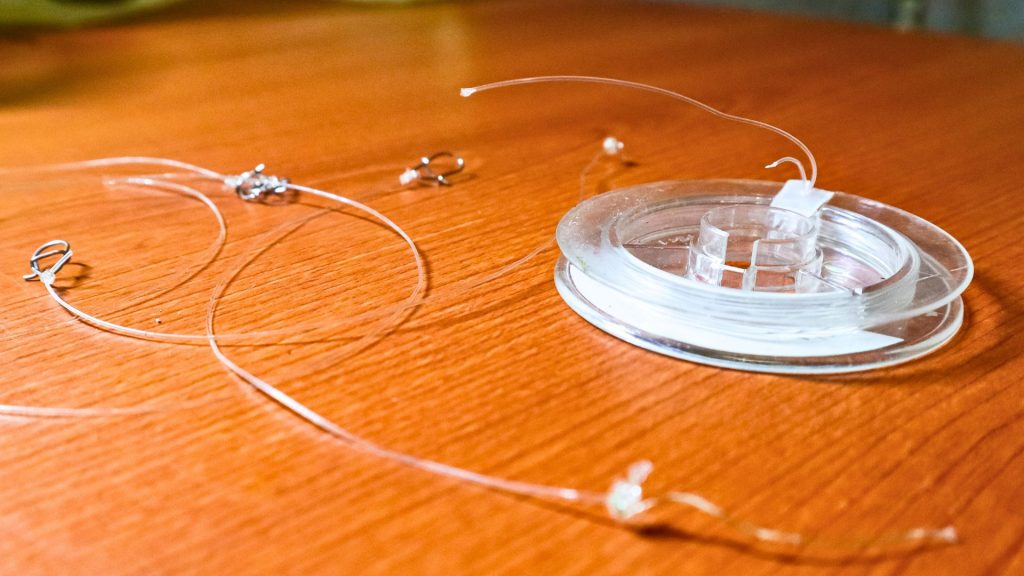
Thick fluorocarbon has its place, but clear water isn’t it when you’re fishing finesse. Heavy line doesn’t move naturally, and it resists subtle action that clear-water fish expect. When bass or trout have time to inspect a bait, stiff line stands out more than most anglers realize.
You’ll notice fewer bites, especially on slow presentations like drop shots or small jigs. The bait may look right, but the connection doesn’t. Downsizing line improves sink rate, movement, and overall believability. In clear water, lighter fluorocarbon often gets more done than strength ever will.
Oversized Snap Swivels
Snap swivels save time, but in clear water they become visual clutter. That extra flash and hardware near your lure gives fish one more reason to hesitate. Predators in clear conditions key in on details, and swivels rarely help the presentation.
They also affect how smaller baits track through the water. Subtle wobble turns erratic, and finesse lures lose their intended action. Tying direct may take longer, but it removes unnecessary hardware and keeps the lure looking natural. In clear water, less metal usually means more bites.
Bright, High-Visibility Main Line
High-vis line helps you see light bites, but it can spook fish in clear water when used incorrectly. Fish can track that line all the way back to the rod tip, especially in shallow or pressured areas.
This becomes a problem when the bait slows down. Even if the lure looks good, the line gives the whole setup away. Many anglers overlook how much line is actually in a fish’s field of view. Using a long, clear leader or switching to low-vis main line can make a noticeable difference fast.
Loud, Rattling Hard Baits
Rattles shine in dirty water, but clear water tells a different story. Loud baits can push fish away instead of calling them in. Clear-water fish rely more on sight than vibration and often prefer subtle movement over noise.
When conditions are calm, rattles can sound unnatural and aggressive. Fish that are already wary don’t need extra reasons to back off. Silent versions of the same lure often draw more consistent strikes. The quieter presentation matches the environment and lets the bait do the convincing without announcing itself.
Thick-Wire Hooks on Small Lures
Heavy hooks add strength, but they also kill action on small baits. In clear water, that reduced movement stands out fast. Light baits are designed to glide, flutter, or fall naturally, and thick hooks interfere with that.
You’ll notice slower falls and awkward angles on the retrieve. Fish that follow closely often turn away at the last second. Switching to lighter wire hooks restores the intended action and improves hookup rates. In clear water, natural movement matters more than brute strength.
Overly Stiff Rods for Light Baits
Fast, heavy rods don’t pair well with finesse tactics in clear water. They reduce feel on light bites and make subtle presentations harder to control. You end up overpowering baits that should move softly.
Clear-water fish often bite gently, and stiff rods don’t load well on those takes. Missed hooksets and pulled baits become common. A softer rod improves casting accuracy, keeps fish pinned, and lets the lure work naturally. Matching rod action to bait size matters more when fish are watching closely.
Bulky Jig Trailers
Big trailers move water, but they also look out of place in clear conditions. Fish have more time to study profiles, and oversized plastics often appear unnatural or threatening.
This is especially true on pressured lakes where fish see the same setups repeatedly. Downsizing trailers creates a cleaner silhouette and more realistic fall. You don’t lose presence, but you gain believability. Clear water rewards subtle profile changes that mimic real forage instead of exaggerating it.
Shiny, Reflective Terminal Tackle
Chrome swivels, polished weights, and glossy jig heads reflect light in clear water. That flash can draw attention to the wrong part of your setup. Fish notice it long before they commit to the bait.
Even small reflections can break the illusion of natural prey. Matte finishes and painted components reduce unwanted shine. Many anglers focus on lure color and forget the rest of the rig. In clear water, everything attached to the bait becomes part of the presentation, whether you intend it or not.
Fast Gear Ratios for Slow Presentations
High-speed reels encourage rushing baits that should be crawled or soaked. In clear water, too much speed kills realism. Fish track movement easily and back off when something looks rushed.
Slower retrieves keep baits in the strike zone longer and allow fish to commit. A fast reel makes it harder to maintain that pace consistently. Matching reel speed to technique helps control cadence. Clear water often rewards patience, and the wrong reel can work against that without you realizing it.
Heavy Sinkers on Soft Plastics
Big weights punch through cover, but in clear water they fall too fast and look unnatural. The splash alone can send fish sliding off structure.
Once underwater, heavy weights pull baits straight down instead of letting them glide. Fish notice that unnatural drop immediately. Lighter weights create slower falls and more horizontal movement. In clear water, that difference can decide whether a fish follows or actually bites.
Dark, High-Contrast Colors
Dark colors have strong silhouettes, which works against you when visibility is high. In clear water, fish often prefer natural tones that blend into the environment.
Bold contrast can look out of place, especially under bright skies. Natural greens, browns, and translucent patterns match forage better. You don’t need to disappear the bait, but you don’t want it screaming either. Clear water magnifies color choices, and subtlety usually wins.
Overbuilt Leaders and Knots
Thick leaders and bulky knots are easy to see in clear water. Fish that follow baits closely often stop right at the connection point.
Longer, slimmer leaders reduce that problem and let the bait stand alone visually. Clean knots and proper tag trimming matter more than most anglers think. In clear water, everything is under inspection. Refining the small details often turns follows into strikes when nothing else changes.

Asher was raised in the woods and on the water, and it shows. He’s logged more hours behind a rifle and under a heavy pack than most men twice his age.


