
Handguns That Never Quite Earn Trust
Some pistols feel dependable on the counter, cycle smooth at the range, and look like they belong on your hip. But after living with them for a while, running real ammunition, and letting them face rough conditions, you start noticing the quirks that keep them off your trusted list. These aren’t useless guns. They’re the ones that always seem one step behind where you need them to be. Maybe it’s a trigger that ages poorly, a slide that doesn’t behave under stress, or small parts that wear out faster than they should. Whatever the reason, these handguns never quite settle into the role you hoped they would.
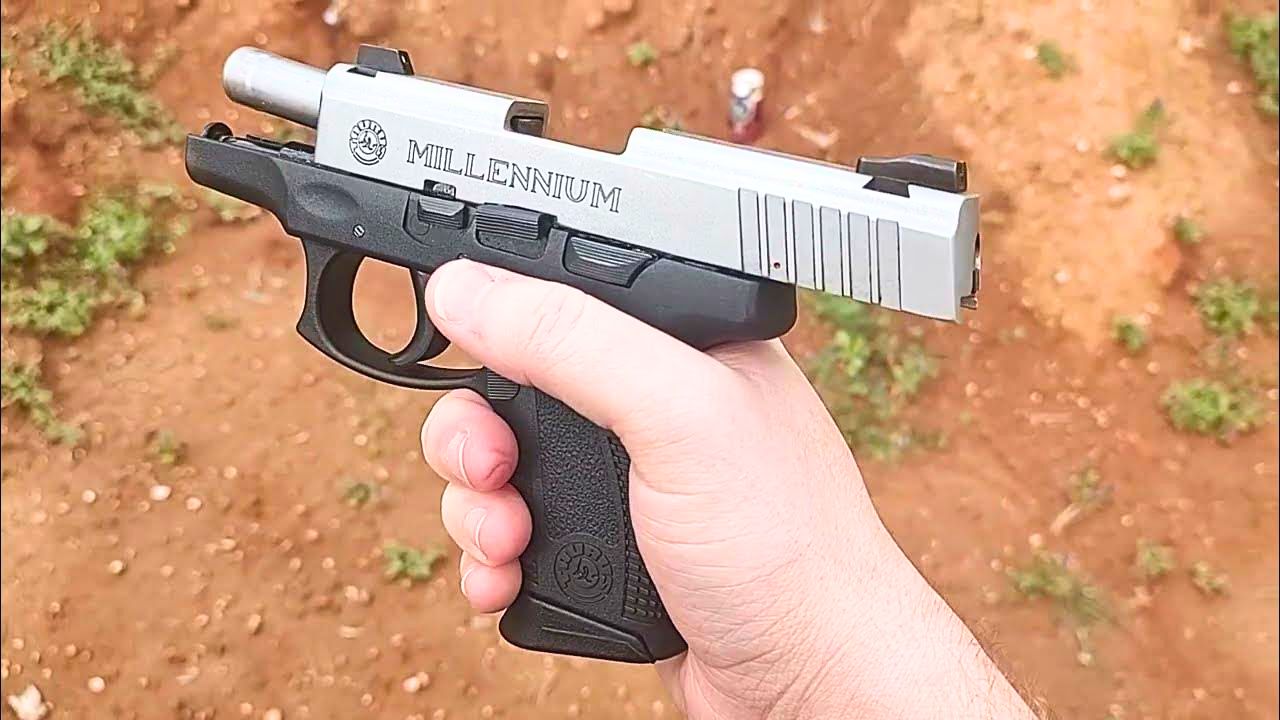
Taurus PT140 Millennium
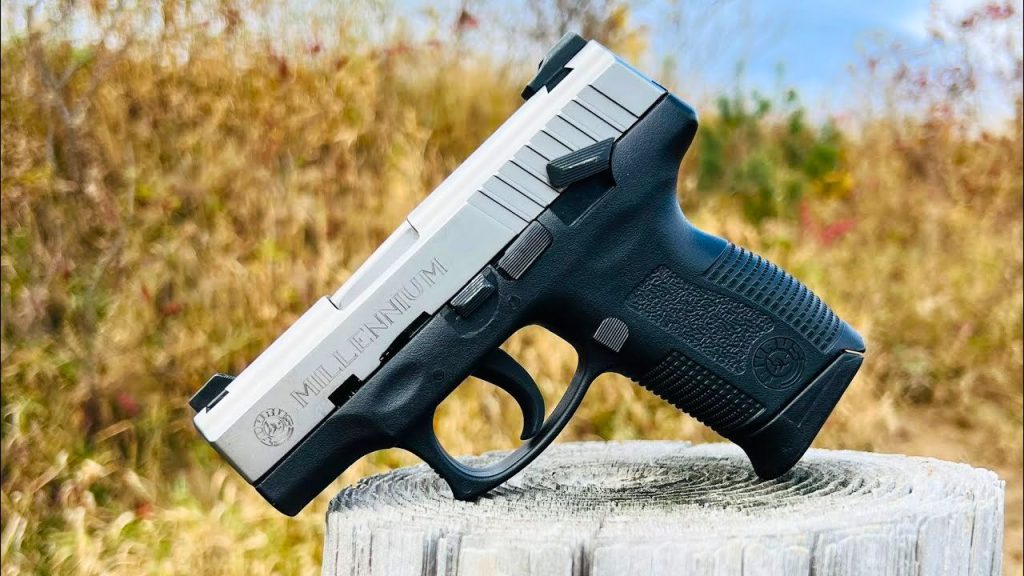
The PT140 Millennium made its name as an affordable carry pistol, but over time it revealed weaknesses that kept many shooters at arm’s length. Early performance can seem fine, yet long-term users often notice feeding inconsistencies or soft primer strikes. Once the internal parts start wearing, the trigger system loses its smoothness and reliability trends downward. It’s a pistol that demands more upkeep than most owners expect.
For hunters or hikers wanting a dependable sidearm, the PT140 doesn’t always give you that steady confidence you want after thousands of rounds. It runs well in short bursts, then slowly becomes less predictable with age and use.
KelTec PF9
The KelTec PF9 earns points for being light and compact, but those same qualities hold it back from long-term trust. Its slim frame transfers more stress into the internals, and after a steady round count the recoil springs weaken and the frame rails begin showing wear. Some shooters report failures to eject or return to battery once the pistol ages.
It works fine as a very light carry option, but heavy practice sessions push it past its comfort zone. When the performance curve dips this early, it’s tough to rely on the PF9 for anything beyond occasional carry and controlled range time.
Smith & Wesson Sigma Series
The Sigma line looked like a workable duty-style pistol, yet the trigger and internal parts kept it from building a loyal following. The heavy trigger isn’t the main issue—it’s the way it degrades with heavy use. Reset becomes inconsistent, pull gets gritty, and failures to fire become more common when shooters don’t service the pistol frequently.
If you treat it as a light-use sidearm, it may be fine. But for hunters, backpackers, and shooters who expect a handgun to survive thousands of rounds, the Sigma lacks the staying power needed to earn real trust.
Ruger P95
The Ruger P95 has a reputation for toughness, but its long-term behavior is mixed. Some run for decades, while others develop feeding or extraction issues once the round count climbs. The polymer frame flexes more than expected under stress, and that can lead to uneven wear in the locking surfaces over time. Not every pistol suffers from it, yet enough do that shooters often approach the P95 cautiously.
It’s bulky, reliable for a while, and easy to maintain, but its long-term variability holds it back. If you’re expecting uniform performance across all conditions, the P95 doesn’t always deliver.
Walther P22
The Walther P22 is a fun rimfire pistol, but it rarely earns long-term trust. The slide rails wear quickly, and the pistol becomes increasingly ammunition-sensitive. After a few thousand rounds, failures to cycle and feed grow more common unless you keep it immaculately clean. Being a rimfire, it’s expected to be a bit picky, but the P22 crosses that line early.
You can enjoy it for casual plinking, yet it’s not a pistol you stake confidence on in harsh weather or rough hunts. The P22’s lifespan for smooth operation is shorter than many expect.
Kimber Solo
The Kimber Solo was designed as a premium micro-carry pistol, yet it became known for being unpredictable. It requires very specific ammunition to run reliably, and even then, some shooters experienced failures to feed or eject. Once the pistol gets dirty or the springs begin to settle, its reliability trends downward faster than expected.
It’s a beautifully made handgun, but the sensitive cycling and high maintenance needs keep it from earning trust among hunters and outdoorsmen. A carry pistol simply shouldn’t be this picky.
Remington R51 (Gen 1)
The first-generation R51 had one of the rockiest launches in handgun history. The hesitation-lock system caused cycling inconsistencies, the feed ramp geometry was off, and the slide fit led to intermittent failures. While later versions improved, the early models left a lasting impression on shooters who expected a dependable sidearm.
Even when cleaned and maintained, the Gen 1 R51 didn’t build the reputation needed for long-term trust. Its behavior varied too much from gun to gun, and many owners never felt fully comfortable relying on one.
Taurus PT709 Slim
The PT709 Slim earned early praise for its size and carry comfort. But as shooters pushed round counts higher, issues appeared. The extractor would lose tension, the trigger bar would wear, and failures to reset became common. Once these problems start, they rarely resolve without replacing parts.
It’s a great starter carry pistol, but heavy use reveals weak spots. When reliability shifts after moderate wear, most hunters and hikers retire the PT709 from serious use.
Beretta Tomcat 3032
The Tomcat’s tip-up barrel is handy, yet the pistol’s frame wasn’t built for high-pressure ammunition or high round counts. Many shooters eventually experience cracked frames or alignment issues that affect cycling. The slide also becomes sensitive as wear progresses, making failures more common.
For occasional use, the Tomcat is charming and practical. But once you start feeding it steady range sessions or hotter ammo, it shows its limits. That gap between early enjoyment and declining reliability keeps the Tomcat off many trust lists.
SIG Sauer Mosquito
The Mosquito has the SIG name, but it never lived up to SIG’s standards. The pistol struggles with anything other than high-powered .22 LR, and even then it requires constant cleaning to remain functional. Slide wear, magazine issues, and weak cycling appear early in the pistol’s life.
Shooters repeatedly learned that the Mosquito behaves well only when conditions are perfect. Outdoors, in the cold, or after extended use, reliability drops. A rimfire doesn’t have to be flawless, but it should at least be predictable. The Mosquito never quite gets there.
CZ 2075 RAMI (Polymer Frame)
The polymer-framed RAMI models were compact and comfortable, but longevity was inconsistent. After high round counts, the frames showed wear near the rails, and the slide-to-frame fit loosened noticeably. Some shooters saw reliable performance, yet others reported failures to feed once tolerances opened up.
The metal-framed versions avoided this issue, which only highlighted the polymer model’s weaknesses. It’s a pistol that can run well but doesn’t deliver the confidence you expect from CZ’s reputation.
Charter Arms Pitbull
The Pitbull series was designed to allow rimless cartridges in a revolver, which is clever, but the extraction system struggles as use increases. Build tolerances are narrow, and once carbon collects around the extractor arms, ejection becomes unreliable. The revolver’s timing can also shift earlier than expected compared to better-known brands.
It’s an interesting idea that works for a while, but as round counts rise, small mechanical quirks become noticeable. Over time, most shooters move it out of rotation in favor of revolvers that stay predictable year after year.

Leo’s been tracking game and tuning gear since he could stand upright. He’s sharp, driven, and knows how to keep things running when conditions turn.


