Rifles that require constant zero checks
Every rifle will lose zero eventually, but some seem to do it far more often than they should. You can do everything right—good glass, solid fundamentals, careful handling—and still end up chasing impacts around the target. Usually it’s not one big flaw. It’s small issues stacking up: flexible stocks, lightweight barrels, loose mounting systems, or designs that don’t tolerate travel and weather very well. These rifles can shoot fine on a calm range day, then leave you guessing after a truck ride or a few bumps on a hunt. If you’ve ever rechecked zero more than once in a season, you’ll recognize these patterns.
Ruger American
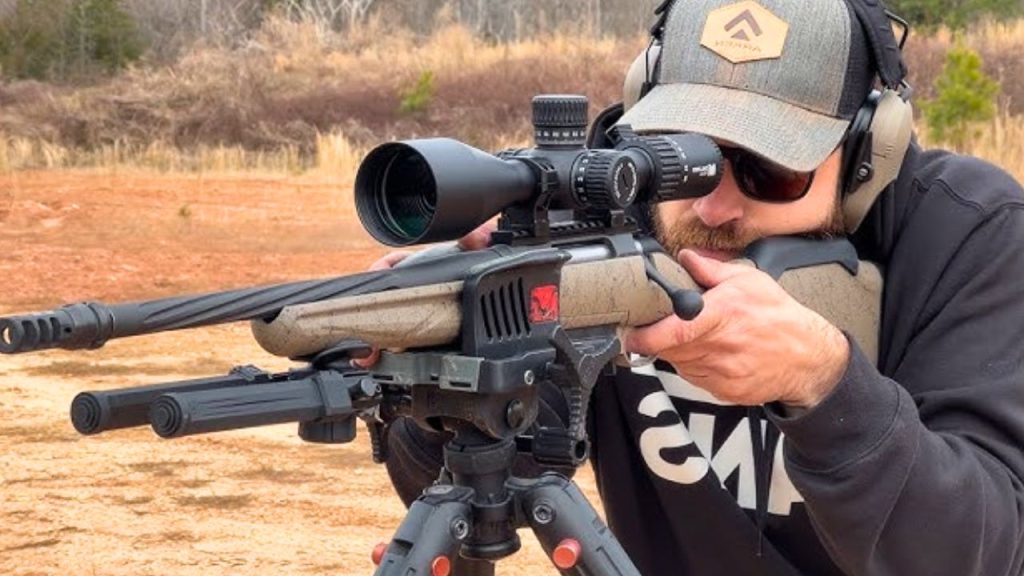
The Ruger American earns praise for affordability and light weight, but that same design can work against it. The factory stock has noticeable flex, especially when using bipods or shooting off uneven rests. That flex can shift pressure on the action and barrel enough to move point of impact.
You might confirm zero at the range, then find it off after a short drive or a few days in the field. Add in the lightweight barrel, and temperature changes don’t help. Plenty of these rifles shoot well, but many owners learn to recheck zero more often than expected, especially before a hunt that matters.
Savage Axis
Savage Axis rifles are known for decent accuracy, but consistency can be another story. The thin stock and basic bedding don’t always keep the action settled the same way shot to shot or trip to trip.
You may see tight groups one session and unexplained shifts the next. The barrel profile heats quickly, and that can change impact more than you’d like. For hunters who travel or shoot in varying conditions, the Axis can feel like a rifle that needs constant confirmation before trusting it beyond the range.
Takedown Lever Guns
Takedown lever-action rifles are convenient to transport, but the design comes with tradeoffs. Any system that separates barrel and action introduces the possibility of minute alignment changes.
Even when assembled carefully, slight differences in tension or seating can move zero. You’ll often see these rifles shoot acceptably at short ranges, but consistency suffers over time. If you rely on a takedown lever gun, you get used to checking zero whenever it’s reassembled, even if nothing appears loose.
Lightweight Mountain Rifles
Ultra-light mountain rifles save your legs, but they’re less forgiving. Thin barrels and skeletonized stocks react quickly to temperature, pressure, and recoil.
A zero that looks perfect on a calm day can drift after a cold morning climb or a hard knock against rocks. These rifles reward careful handling, but they also punish neglect. Many experienced hunters learn to verify zero anytime the rifle takes a tumble or gets strapped to a pack for long distances.
Budget Chassis Rifles
Some entry-level chassis rifles look solid, but not all are machined or assembled with equal precision. Tolerance stacking between action screws, bedding surfaces, and handguards can lead to subtle shifts.
You may notice zero drift after changing shooting positions or loading into a bipod. While the rifle still groups well, point of impact slowly walks. These setups often need regular torque checks and frequent confirmation, especially if you shoot prone or transport the rifle assembled.
Older Synthetic-Stocked Hunting Rifles
Early-generation synthetic stocks weren’t always as stable as modern designs. Some flex under recoil or change shape with temperature swings.
If you’ve got an older hunting rifle that won’t hold zero across seasons, the stock is often the culprit. The action may be sound, but inconsistent contact points shift impact. Many hunters learn to recheck zero at the start of every season because the rifle rarely prints exactly where it did last year.
Scout-Style Rifles
Scout rifles emphasize compact size and forward-mounted optics, but that layout can complicate zero retention. Extended scope mounts introduce leverage and additional attachment points.
Even minor loosening or flex shows up on target. These rifles often shoot well within their intended range, but maintaining zero requires more attention. If the rifle rides in a truck or on an ATV, experienced owners know to confirm zero before trusting it in the field.
Factory Rifles With Two-Piece Scope Bases
Two-piece bases aren’t automatically bad, but they increase the chance of alignment issues. Small shifts in either base can move zero, especially under recoil.
Some factory setups use soft screws or minimal thread engagement. Everything feels tight until it isn’t. Shooters often chase unexplained point-of-impact changes before realizing one base moved slightly. These rifles teach you to check torque and zero more often than you’d like.
Thin-Barreled Sporter Rifles
Sporter barrels are great for carrying, but they don’t handle heat well. A few shots can change barrel harmonics enough to move impact.
You might zero with a cold barrel, then see groups climb as the barrel warms. On the range, that’s manageable. In the field, it creates doubt. Hunters using thin barrels often verify zero cold and avoid long strings, knowing consistency depends on discipline.
Rimfire Hunting Rifles
Rimfire rifles are sensitive by nature, and many hunting models aren’t built for rugged travel. Ammunition variations alone can shift point of impact.
Add in lightweight barrels and basic stocks, and zero becomes fragile. A rifle that shot fine last week may print an inch off today with the same ammo. Serious rimfire hunters learn to check zero often, especially before small-game season.
Factory Rifles With Floating Recoil Lugs
Some factory rifles rely on recoil lugs that aren’t tightly integrated into the action or stock. Over time, that can allow micro-movement.
You won’t always feel it, but the target tells the story. Zero slowly drifts despite careful handling. These rifles usually respond well to bedding work, but until then, frequent zero checks become routine for anyone who wants predictable performance.
Travel-Hard Hunting Rifles
Any rifle that spends a lot of time in trucks, planes, or scabbards takes abuse. Some designs tolerate it better than others.
Rifles with lighter stocks, budget mounting hardware, or thin barrels show the effects sooner. Even if nothing looks damaged, zero may wander. Experienced hunters learn which rifles need verification after every trip and which ones don’t, and these fall squarely in the first group.

Asher was raised in the woods and on the water, and it shows. He’s logged more hours behind a rifle and under a heavy pack than most men twice his age.