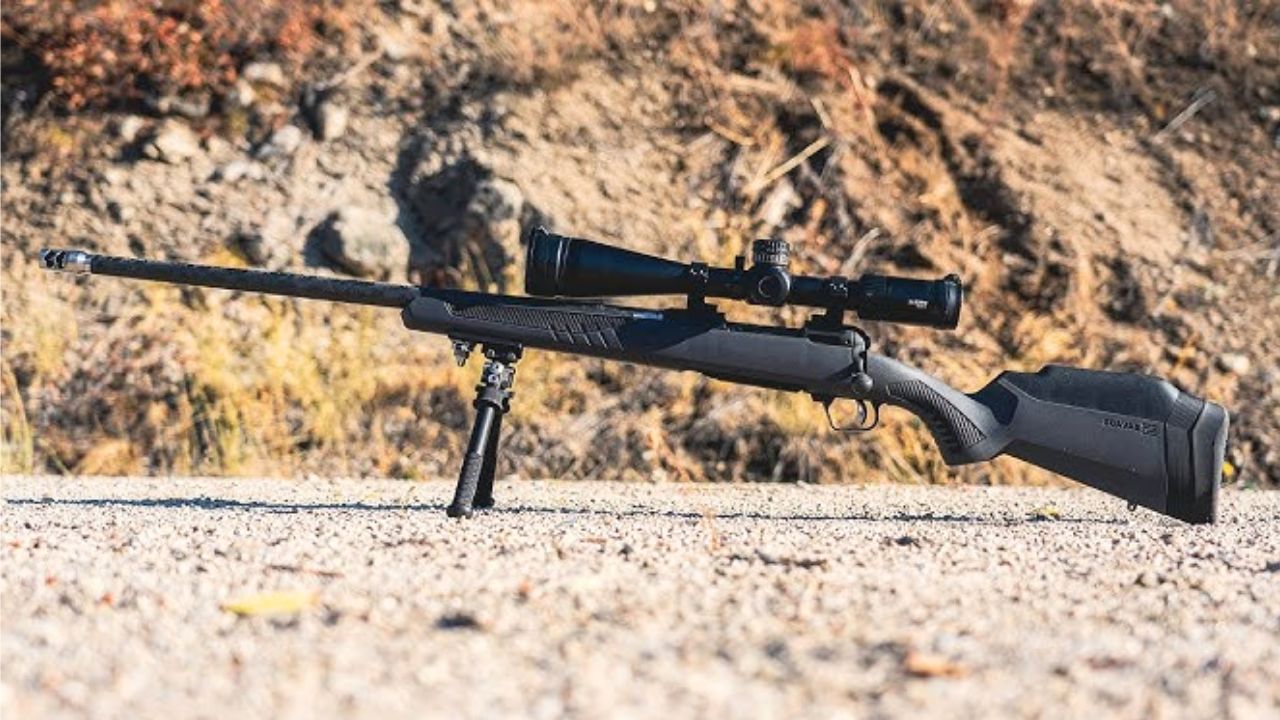
Rifles that can’t hold zero through rough travel
Any rifle can shoot tight groups on a calm range day. The problems show up after airline baggage handlers, washboard roads, horse scabbards, or a week strapped to an ATV. When a rifle shifts zero between camp and the first ridge, confidence disappears fast. Usually it’s not the cartridge or the shooter. It’s bedding that flexes, lightweight stocks that twist, mounts that walk, or takedown systems that never quite return to the same place twice.
If you hunt hard and travel rough, repeatable zero matters more than raw accuracy. These rifles have earned reputations for losing point of impact after bumps, drops, or long miles—sometimes subtly, sometimes enough to miss cleanly.
Ruger American

The Ruger American earns praise for affordability and weight, but the stock is its weak link during rough travel. The injection-molded stock flexes easily, especially when strapped tight to a pack or ATV rack. That flex can shift pressure on the action and change point of impact.
Bedding is minimal, and recoil lugs rely heavily on plastic contact surfaces. After bouncing around in a truck or riding horseback, many shooters find their zero has wandered. It may still group well, but not where you left it. For range use it’s fine, but repeated hard travel exposes limitations that show up right when it matters.
Savage Axis
The Savage Axis is capable of good accuracy, but consistency after abuse is another story. The stock lacks rigidity, and sling pressure alone can influence point of impact. Add airline travel or rough trails and that sensitivity gets worse.
Action screws are prone to loosening if not carefully torqued, and the light barrel profile magnifies small shifts. You may not notice problems until the first cold shot misses high or wide. Axis rifles can shoot, but they demand frequent checks. If you’re moving camp often or covering hard ground, that extra uncertainty becomes a liability.
Remington 700 ADL
The budget ADL versions of the Remington 700 often struggle when subjected to repeated knocks. Factory stocks are thin and poorly bedded, allowing movement under recoil and pressure. That movement doesn’t take much to change zero.
Scope mounting surfaces are another issue. If bases aren’t installed perfectly, recoil and vibration can loosen things over time. After a long drive or flight, the rifle may still feel solid, yet print inches away from its previous zero. Without upgrades, the ADL isn’t built for rough, repeated travel.
Mossberg Patriot
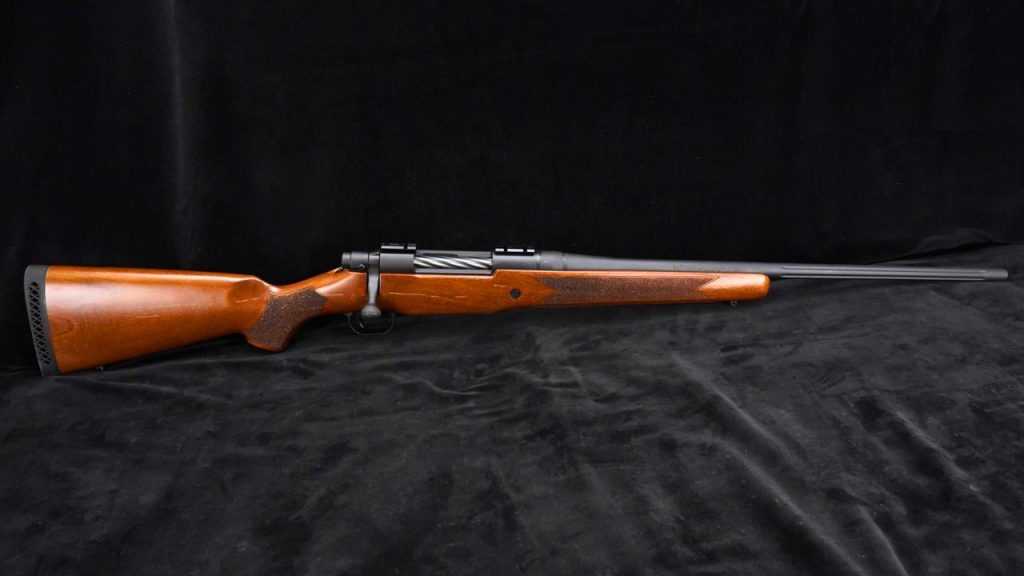
The Mossberg Patriot keeps weight down, but durability suffers when the rifle gets tossed around. The stock flexes noticeably, especially near the forend. That flex translates into pressure changes on the barrel.
Bedding contact is inconsistent, and recoil lug engagement isn’t forgiving. After riding in a scabbard or bouncing in a side-by-side, shooters often find point of impact drifting. It doesn’t take a hard hit, either. Long stretches of vibration can be enough. The Patriot works for casual hunts, but extended rough travel reveals its shortcomings quickly.
Tikka T3x Lite
The Tikka T3x Lite shoots well, but the lightweight design can work against it during abuse. The polymer stock, while improved over earlier versions, still transmits flex under load. Tight sling carry or pack compression can influence zero.
The action itself is solid, but the minimal bedding surface doesn’t forgive movement. Add thin barrels and you get a rifle that responds noticeably to small shifts. Many hunters love how it shoots initially, then find they’re confirming zero more often than expected after long trips. Light weight has tradeoffs.
Browning X-Bolt Composite
The composite-stock X-Bolt carries well, but repeated rough handling exposes issues. Stock rigidity varies, and some models show point-of-impact shifts after extended vibration or pressure.
The bedding system relies on limited contact areas, and when combined with light barrels, even minor movement matters. After airline travel or a season riding behind a truck seat, zero checks become necessary. The rifle remains accurate, but not predictably so without careful handling. For hunters who travel hard, that uncertainty adds stress before the shot.
Ruger Gunsite Scout

The Gunsite Scout is built for utility, but its scout-style mounting system introduces variables. Forward-mounted optics and rail interfaces can loosen or shift under repeated impacts.
The stock design also places unusual stress on the action when strapped or carried tight. That stress can translate into subtle zero changes. While durable in concept, the system requires constant attention. After rough travel, shooters often find their zero close but not exact, which is worse than being clearly off.
Winchester Model 70 Featherweight
The Featherweight carries beautifully, but the slim stock and light barrel are sensitive to pressure changes. Hard travel exposes how little margin there is for movement.
Bedding on factory rifles varies, and the narrow forend can flex under load. After long trips, especially with tight sling carry, point of impact can drift. The rifle may still group tightly, just not where expected. The Featherweight rewards careful handling, not abuse.
Marlin X7
The Marlin X7 has solid fundamentals, but its factory stock is a problem on rough trips. Flex and inconsistent bedding allow the action to shift slightly under stress.
Recoil lug contact isn’t forgiving, and vibration loosens hardware faster than expected. After travel, shooters often chase zero rather than trust it. The rifle can shoot well, but it demands more maintenance and checking than many hunters expect when conditions get harsh.
CVA Cascade
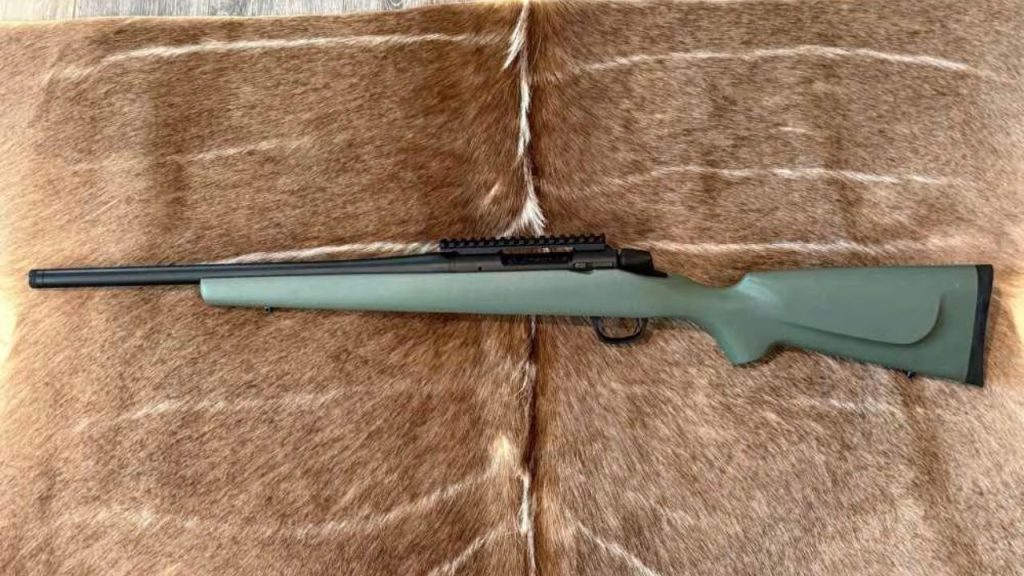
The CVA Cascade surprised many with its accuracy, but long-term zero retention through abuse is mixed. The lightweight stock transmits vibration easily, and bedding tolerances are tight.
Repeated impacts or pressure changes can move things just enough to matter. After flights or rough roads, point of impact shifts aren’t uncommon. The Cascade performs well when treated carefully, but it hasn’t proven itself as a set-and-forget rifle for hunters who travel hard and often.
Thompson/Center Compass
The Compass is functional, but rough travel reveals its limits. Stock rigidity is minimal, and bedding consistency varies between rifles. That combination doesn’t handle vibration well.
Scope mounting surfaces also deserve attention. If everything isn’t torqued perfectly, movement creeps in. After extended travel, shooters often discover zero has shifted without obvious signs. It’s not dramatic failure, but enough to ruin confidence on the first shot.
Savage 110 Lightweight Hunter
Savage trimmed weight aggressively with this model, and zero retention pays the price. The thin stock and barrel react strongly to pressure and movement.
After being packed, strapped, or bounced around, many shooters find point of impact has changed. The AccuStock helps, but it can’t fully compensate for how light everything is. The rifle shoots well in controlled conditions, yet demands frequent verification when subjected to real-world travel.

Asher was raised in the woods and on the water, and it shows. He’s logged more hours behind a rifle and under a heavy pack than most men twice his age.