Fishing gear that falls apart mid-season
Every angler learns sooner or later that not all gear is built to last. Some tackle looks great on the rack and feels fine for the first few trips, then starts unraveling once the season gets rolling. Handles loosen, drags go soft, coatings peel, and small failures stack up fast when you’re fishing hard. The worst part is how these problems show up when you’re already committed—halfway through summer, far from the truck, or right when the bite finally turns on. This isn’t about abuse or neglect. It’s about gear that can’t keep up with regular use. Here’s the stuff that tends to quit before the season does.
Budget Spinning Reels with Composite Gears
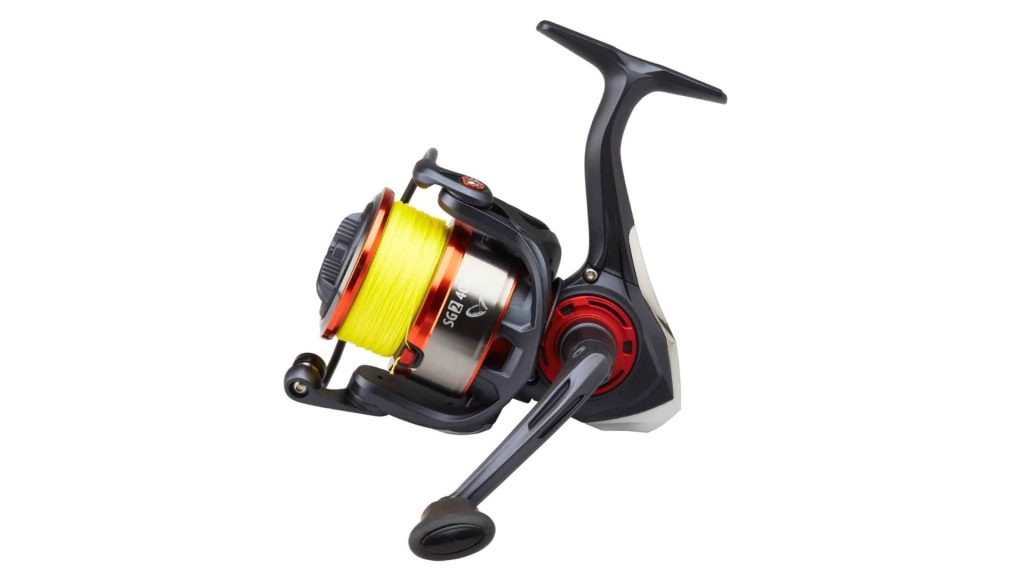
Low-priced spinning reels often feel smooth out of the box, but that smoothness doesn’t always last. Composite internal gears wear faster than advertised, especially if you fish heavier lures or deal with current. By mid-season, you start feeling play in the handle and hesitation under load.
Once that slop shows up, the drag usually follows. It slips unevenly, then starts sticking, making light line work unpredictable. You can clean and grease them, but the wear doesn’t reverse. For anglers who fish weekly or more, these reels rarely make it to fall without noticeable performance loss.
Telescoping Rods with Budget Ferrules
Telescoping rods are convenient, especially for travel or keeping one behind the truck seat. The problem usually starts at the ferrules. After repeated use, they loosen, develop hairline cracks, or refuse to seat consistently.
Mid-season is when you notice lost sensitivity and strange vibrations on the hookset. Guides start twisting out of alignment, and sections may collapse under pressure. Even when handled carefully, these rods struggle with repeated casting and fighting fish. They’re fine for occasional trips, but regular use exposes their limits fast.
Entry-Level Baitcasting Reels
Cheap baitcasters promise control and power, but internal tolerances often tell a different story. After a couple months of steady fishing, braking systems lose consistency, bearings rough up, and backlashes become harder to manage.
The reel may still cast, but not predictably. You find yourself constantly adjusting tension to compensate for wear. Drag pressure becomes uneven, especially on larger fish. Once the frame flexes or gears wear, performance drops fast. These reels rarely fail all at once—they fade, and that’s what makes them frustrating.
Soft Plastic Storage Boxes
Some tackle boxes marketed for soft plastics don’t hold up to heat and time. The plastic warps, seals fail, and chemical reactions between baits and box materials start causing problems by midsummer.
You open a tray to find melted dividers, fused worms, or warped lids that won’t close. Once that starts, the box is done. It doesn’t matter how carefully you store it afterward. For anglers fishing in warm climates or leaving gear in a boat, these boxes become disposable halfway through the season.
Economy Braided Fishing Line
Budget braid often casts well early on, but coating loss shows up fast. Within weeks, the line starts fading, flattening, and picking up water. Wind knots become more frequent, and abrasion resistance drops noticeably.
By mid-season, you’re dealing with mystery break-offs and frayed sections that don’t inspire confidence. Retie frequency goes way up. The line technically still works, but you stop trusting it. That lack of confidence is usually what sends it to the trash before summer ends.
Low-Cost Landing Nets
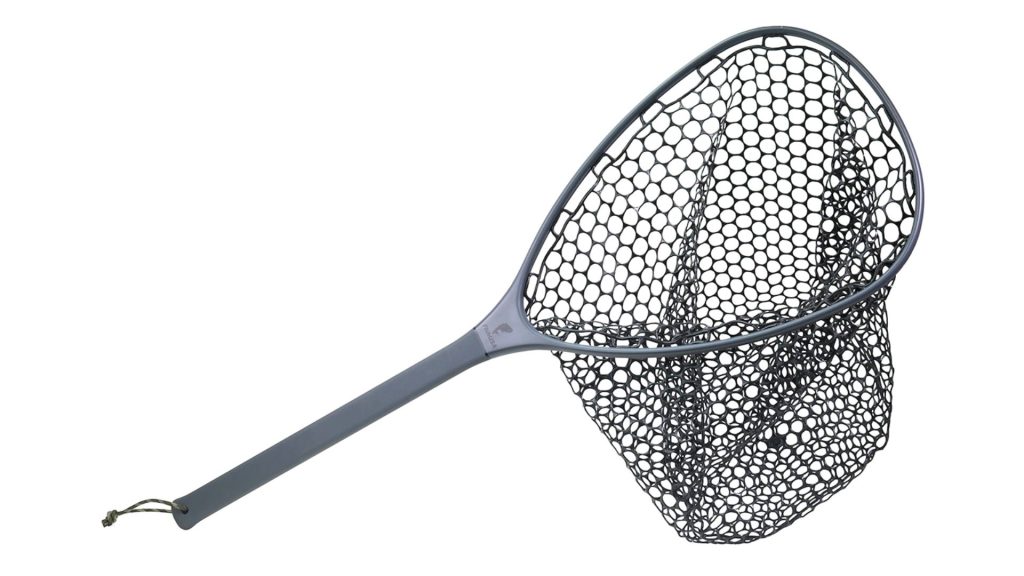
Cheap landing nets usually fail at connection points. The handle loosens, the yoke flexes, or the netting tears after a few fish with weight. These issues don’t show up right away.
Mid-season is when joints start wobbling and knots pull loose. Rubberized coatings peel, leaving rough mesh that damages fish and tangles hooks. Once structural integrity is compromised, the net becomes a liability. You don’t notice until a fish surges boatside and the frame twists the wrong way.
Budget Waders with Welded Seams
Entry-level waders often rely on seam welding instead of stitching. They’re dry at first, but repeated walking, crouching, and temperature changes take their toll.
Mid-season pinhole leaks show up in the knees, crotch, or boot seams. You might not notice until you’ve already been standing in cold water too long. Repairs rarely hold well on thin material. Even with careful use, these waders struggle to survive a full season of regular fishing.
Economy Rod Guides with Soft Inserts
Some rods save money on guide inserts, and it shows with time. Soft materials wear quickly, especially when paired with braided line.
By mid-season, grooves form, increasing friction and damaging line. Casting distance drops, and you may start breaking off on hooksets without obvious cause. Once inserts crack or pop free, the rod becomes unsafe to fish. This kind of failure sneaks up on you and usually ends a rod’s season early.
Plastic Reel Handles and Knobs
Reel handles with plastic arms or knobs often loosen and crack under steady use. Sun exposure and torque accelerate the problem.
Mid-season, you notice flex during retrieves or clicking under load. Eventually, the handle starts backing out or binding. Even if the reel internals are fine, the connection point becomes unreliable. It’s a small component, but when it fails, the reel is done for the day.
Entry-Level Fish Finders with Exposed Wiring
Budget electronics often cut corners on wiring protection. Early in the season, everything works fine. Then moisture, vibration, and sun exposure start taking effect.
By mid-season, screens flicker, transducers lose signal, or connectors corrode. Troubleshooting becomes constant. While not always total failures, these units demand more attention than fishing. Once water intrusion starts, reliability drops quickly and rarely recovers.
Low-Cost Rain Gear for Anglers
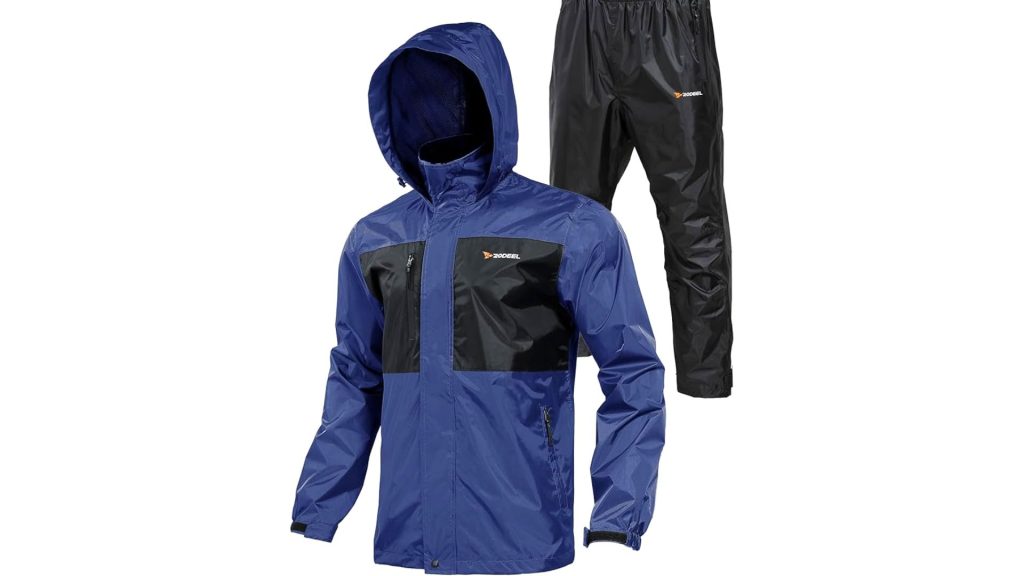
Cheap rain jackets and bibs often rely on thin coatings instead of layered fabrics. They block water early on, but breathability and waterproofing degrade fast.
Mid-season, seams leak, fabric wets out, and zippers fail. You end up damp even in light rain. Repairs don’t last, and reproofing only buys limited time. For anglers who fish through weather, this gear usually quits long before the season does.
Economy Treble Hooks
Budget treble hooks look sharp initially, but metal quality shows up with use. Points roll, barbs flatten, and corrosion starts early.
By mid-season, missed hooksets increase, and landed fish drop off more often. You sharpen constantly, but the steel doesn’t hold an edge. Once rust sets in, replacement is the only option. These hooks don’t fail dramatically—they slowly cost you fish until you realize what’s happening.
Fishing gear doesn’t need to be fancy, but it does need to last. When equipment starts breaking down halfway through the season, it interrupts momentum and confidence. Knowing what tends to wear out early helps you spend smarter and fish harder when it matters most.

Asher was raised in the woods and on the water, and it shows. He’s logged more hours behind a rifle and under a heavy pack than most men twice his age.