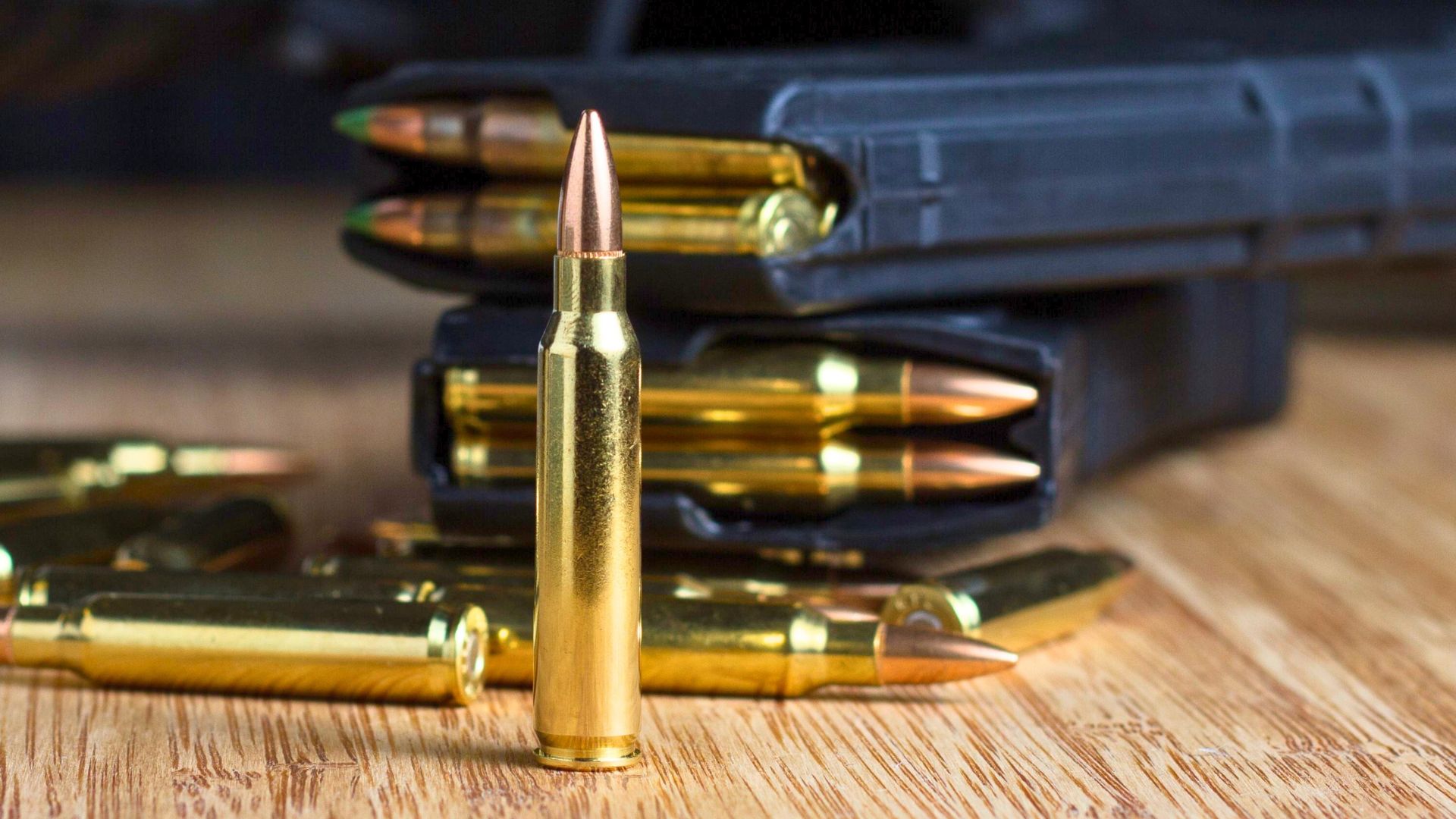
Calibers that balance power and control well
Finding the right caliber isn’t about chasing velocity charts or bragging rights. It’s about how a round behaves when you’re actually behind the gun. Recoil that stays manageable, trajectories that forgive small mistakes, and terminal performance that does what it’s supposed to without punishing the shooter all matter more than raw numbers. Over the years, certain calibers have earned quiet respect because they let you shoot well longer, stay on target faster, and make clean hits without drama. These are rounds you can practice with, hunt with, or defend yourself with without feeling beat up or rushed. They reward good fundamentals and don’t demand perfection to work well.
.308 Winchester
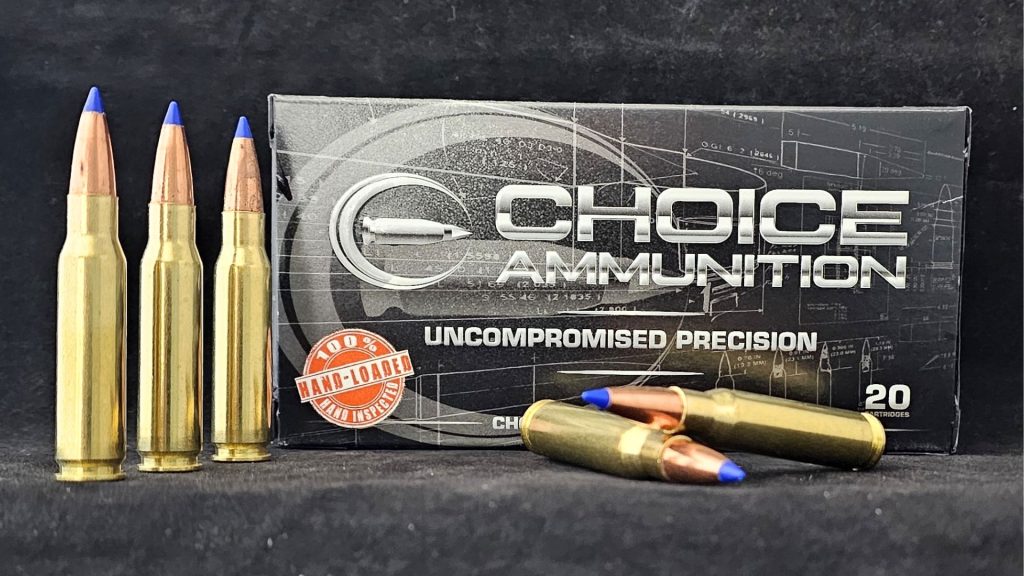
The .308 Winchester has stayed relevant because it delivers authority without pushing shooters around. Recoil is firm but predictable, letting you spot impacts and get back on target quickly. In a well-built rifle, it stays comfortable through long range sessions, which matters more than people admit.
On game, it carries enough weight and penetration to handle deer, elk, and hogs without relying on speed alone. You don’t need perfect shot placement to see solid results, but it still rewards good fundamentals. It’s also forgiving across barrel lengths, making it practical in both lightweight hunting rifles and heavier precision setups.
.30-30 Winchester
The .30-30 Winchester doesn’t impress on paper, but it shines where control matters most. Recoil is mild, especially in traditional lever guns, and the slower velocity keeps muzzle blast reasonable. That makes follow-up shots fast and natural.
Inside typical woods ranges, it hits with more authority than many modern cartridges people lean on. You can shoot it well offhand, cycle it smoothly, and stay confident even in awkward positions. It’s a round that works with the shooter instead of demanding extra effort, which is why it’s still trusted in thick cover.
6.5 Creedmoor
The 6.5 Creedmoor earns its reputation by staying easy to shoot while reaching farther than most people ever need. Recoil stays light enough that you can watch impacts through the scope, which builds confidence fast.
It holds velocity well, bucks wind better than larger calibers, and doesn’t punish poor form the way magnums do. For hunters, it delivers clean penetration without excessive recoil, and for range shooters, it keeps fatigue low. You can shoot longer, learn faster, and make more consistent hits without fighting the rifle.
.270 Winchester
The .270 Winchester has always lived in the sweet spot between flat shooting and shootability. Recoil sits below most .30-caliber options, but it still carries plenty of energy for big-bodied deer and elk.
It shines in lighter rifles where control matters, letting you stay steady without bracing for impact. The cartridge shoots flat enough to reduce range estimation errors, which helps in open country. It’s a round that rewards calm shooting and doesn’t rush you, making it easy to trust when the shot finally opens up.
.243 Winchester
The .243 Winchester proves that control often beats raw force. Recoil is light enough that even smaller-framed shooters can stay relaxed behind the gun, which leads to better shot placement.
With proper bullets, it performs cleanly on deer-sized game while staying forgiving on the shoulder. It also doubles as a solid varmint round, making practice affordable and frequent. You can focus on fundamentals instead of managing recoil, which pays off when it matters. That balance is why so many shooters learn to shoot well with a .243 and never forget it.
7mm-08 Remington
The 7mm-08 Remington flies under the radar, but it delivers a calm shooting experience with serious capability. Recoil stays noticeably softer than comparable .30-caliber rounds while maintaining strong penetration.
It handles wind better than most short-action cartridges and doesn’t need long barrels to perform. For hunters, it works across a wide range of game without pushing recoil into uncomfortable territory. For shooters, it stays consistent and predictable. It’s the kind of round that lets you focus on reading conditions instead of bracing for the trigger break.
.357 Magnum (Rifles)
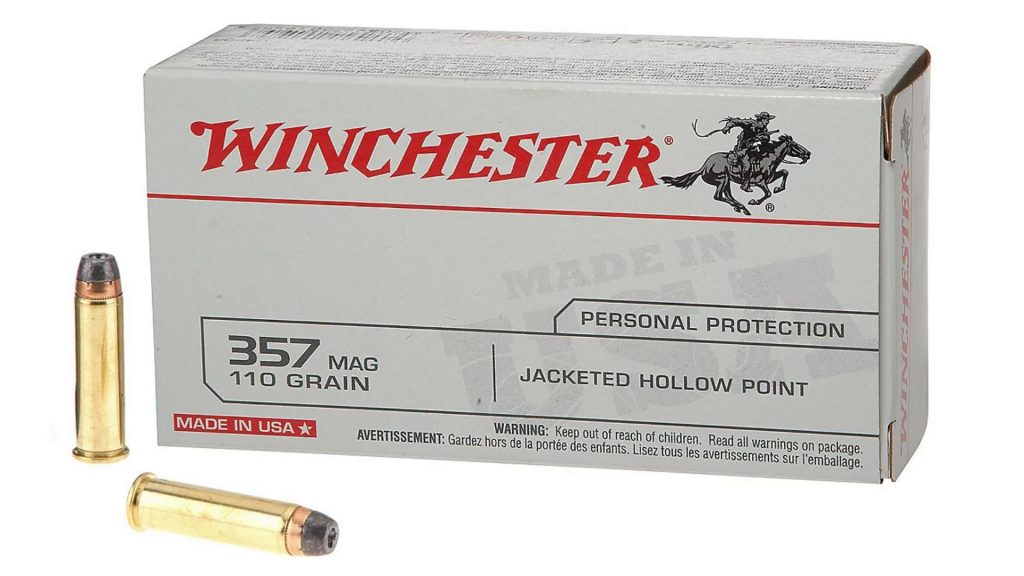
Out of a rifle-length barrel, the .357 Magnum becomes far more manageable and effective than many expect. Recoil stays extremely mild, and muzzle rise is easy to control even during fast shooting.
At reasonable distances, it hits harder than most give it credit for, especially with modern loads. It’s quiet by centerfire standards and easy to shoot well offhand. For woods hunting or utility rifles, it offers confidence without punishment. You get solid performance without needing heavy recoil or complex shooting adjustments.
.44 Magnum (Rifles)
In a rifle, the .44 Magnum finds balance that’s missing in handguns. Recoil becomes a steady push instead of a sharp snap, making control far easier.
It delivers heavy bullets at manageable speeds, which translates to dependable performance on game without excessive blast. Follow-up shots stay quick, and accuracy improves dramatically compared to revolvers. It’s not a long-range option, but within its limits it stays calm and predictable. That combination makes it effective without demanding perfect technique.
5.56 NATO
The 5.56 NATO works because it lets shooters stay relaxed while staying effective. Recoil is light, recovery is fast, and accuracy comes naturally with good fundamentals.
In defensive or training roles, it allows high-volume shooting without fatigue. On smaller game and varmints, it performs cleanly, and with proper loads it remains capable in practical scenarios. Its real strength is how easy it is to control under stress. You stay focused on sights and movement instead of recoil management.
.350 Legend
The .350 Legend was built with control in mind. Recoil stays mild, especially compared to traditional straight-wall cartridges, and the shooting experience feels steady.
It hits deer-sized game with authority while staying comfortable in lightweight rifles. The slower velocity keeps blast down, which helps with follow-up shots. In states that require straight-wall cartridges, it offers one of the most manageable options available. It’s a round that makes sense for hunters who value shot placement and calm shooting over raw speed.
.45 ACP (Carbines)
Out of a carbine, the .45 ACP becomes surprisingly controlled. Recoil feels more like a gentle shove, and muzzle rise is minimal.
Accuracy improves, noise drops, and follow-up shots become effortless. While range is limited, inside its comfort zone it delivers consistent performance without stress. It’s easy to shoot well and easy to train with. That control-focused behavior makes it practical where precision and comfort matter more than distance.
20 Gauge
The 20 gauge often gets overlooked, but it balances recoil and performance better than most shotgunners expect. With proper loads, it handles birds, deer, and even defensive roles without excessive kick.
Lighter guns stay controllable, and recoil doesn’t wear you down over long days. Shot placement improves because you aren’t bracing for punishment. For many shooters, it delivers everything they actually need without the downsides of heavier gauges. It’s a practical choice that rewards smooth shooting and steady follow-through.

Asher was raised in the woods and on the water, and it shows. He’s logged more hours behind a rifle and under a heavy pack than most men twice his age.