Hunting guns that feel unreliable in the field
Every hunter knows the difference between a gun that actually fails and one that makes you worry it might. That feeling creeps in when a safety feels vague, a bolt doesn’t close the same way twice, or a magazine starts acting funny miles from the truck. Even if the gun never truly quits, doubt alone can mess with your focus when a shot finally shows up. These are hunting guns that have earned a reputation for planting that seed of uncertainty in the field. They may work fine on the bench or during short range sessions, but real hunts have a way of exposing little issues that make you second-guess what’s in your hands.
Remington 7400
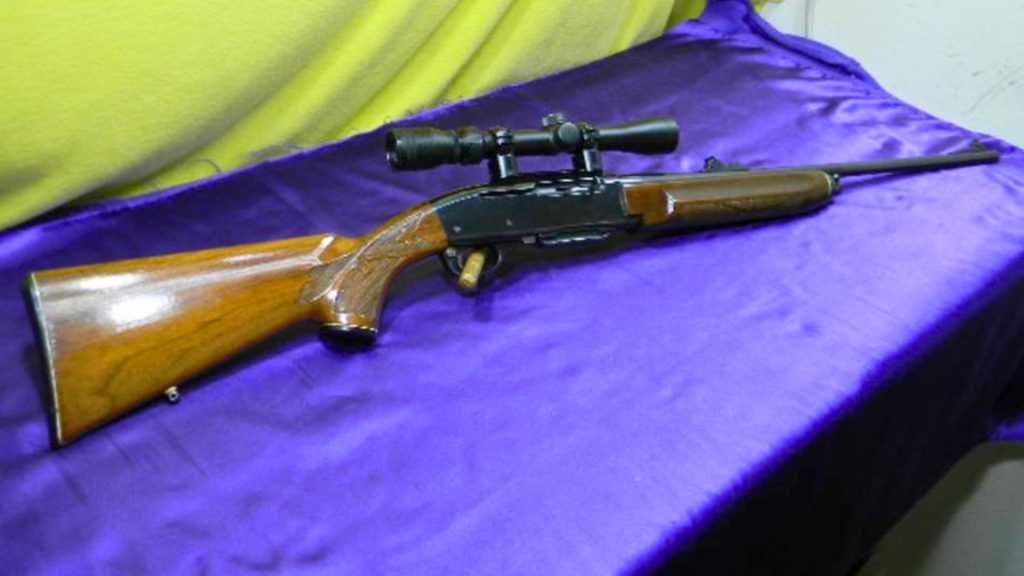
The Remington 7400 has taken plenty of deer, but it’s also earned a reputation for making hunters nervous. The semi-auto action can be sensitive to fouling, especially after a long season without a deep clean. Carbon buildup around the gas system sometimes leads to sluggish cycling, which is the last thing you want when a follow-up shot might matter.
In cold weather, the action can feel stiff, and magazines don’t always seat as cleanly as you’d expect. Even when it runs, the rifle has a habit of feeling unpredictable. You’re often left wondering if today will be one of its good days, and that hesitation can stick with you every time you shoulder it.
Mossberg Patriot
On paper, the Mossberg Patriot checks a lot of boxes for a budget hunting rifle. In the field, it can feel less settled. The bolt throw often feels rough, especially when dirt or moisture gets involved. Hunters sometimes notice inconsistent feeding when cycling the action quickly, which doesn’t inspire confidence during a fast-breaking opportunity.
The factory stock flex can also become noticeable when shooting off improvised rests. That movement doesn’t always cause failures, but it can make you question repeatability. When you’re glassing a ridge and planning one careful shot, even small doubts about how the rifle will behave can weigh heavier than expected.
Savage Axis
The Savage Axis is accurate for the money, but reliability in the field isn’t always about group size. The detachable magazine has a reputation for feeling loose, and it’s not uncommon to worry about it dropping free at the wrong time. Feeding can feel abrupt, especially when the rifle isn’t held perfectly level.
The bolt lift is another point of concern. It can feel sticky under pressure, particularly in colder conditions. None of these issues guarantee failure, but they add friction to moments that should feel automatic. When you’re wearing gloves and working quietly, the rifle can make you feel like it’s fighting you more than helping.
CVA Cascade (Early Production)
The CVA Cascade surprised a lot of hunters with its accuracy, but early production rifles raised eyebrows in the field. Some shooters reported extraction issues after firing hotter loads, which isn’t something you want to troubleshoot during a hunt. Bolt lift could feel inconsistent, especially after a few shots without cleaning.
The lightweight build is nice for carrying, but it can amplify the sense that everything needs to be handled carefully. Later versions have improved, but those early experiences stuck. If you’ve carried one during a long, wet hunt, you know the feeling of checking the bolt twice before trusting it.
Ruger American Ranch
The Ruger American Ranch is handy and accurate, but it can feel unsettled during real hunting scenarios. The rotary magazine works well most of the time, yet seating it quietly and securely can take practice. Hunters sometimes report feeding hiccups when cycling the bolt fast or at odd angles.
The bolt itself has noticeable play, which can feel odd when you’re trying to chamber a round smoothly. While the rifle usually fires when asked, the overall feel doesn’t inspire calm confidence. When you’re crawling through brush or climbing into a stand, it’s hard not to wonder if something might shift at the wrong moment.
Remington 783
The Remington 783 was meant to improve on past budget designs, but it still leaves some hunters uneasy. The bolt travel can feel gritty, especially after exposure to dust or light rain. Feeding from the detachable magazine isn’t always as smooth as expected, which can slow things down.
The safety works, but it doesn’t have the firm, positive feel many hunters trust. That subtle lack of feedback can linger in your mind when you’re waiting on a buck to step clear. The rifle may never actually fail you, yet it has a way of keeping your attention on the gun instead of the hunt.
Browning BAR Mk II
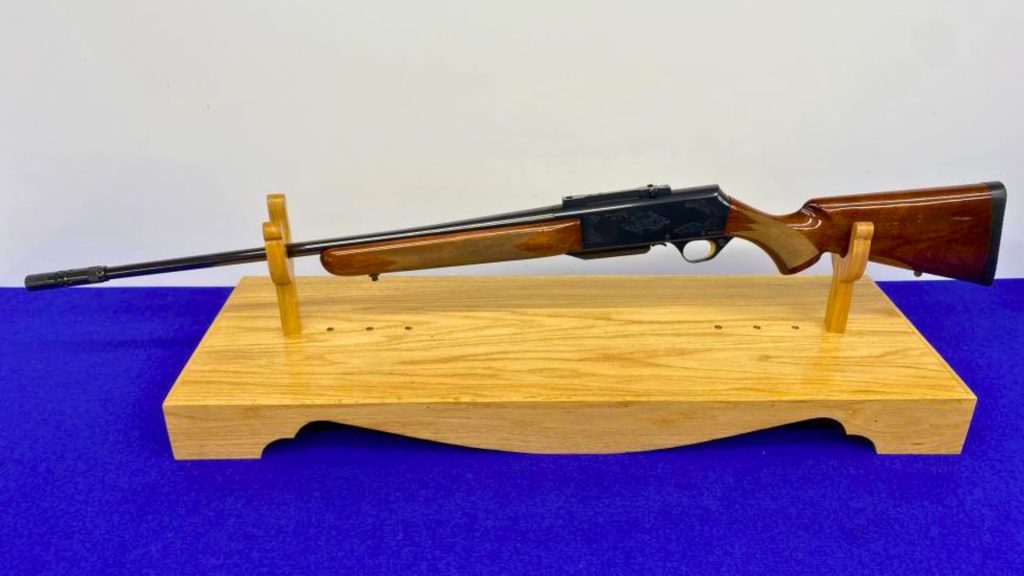
The Browning BAR Mk II has a loyal following, but semi-autos always carry extra baggage in the field. The gas system requires regular maintenance, and neglect shows up quickly in cold or dirty conditions. When things start to slow down, the rifle can feel less predictable.
The weight also plays a role. Carrying it all day makes you more aware of every movement and control. Magazine insertion isn’t always as intuitive as you’d hope, especially with gloves. It’s capable and accurate, but it asks for more attention than many hunters want when conditions aren’t perfect.
Winchester XPR
The Winchester XPR is often praised for accuracy, yet some hunters report issues that chip away at confidence. The bolt can feel stiff during initial lift, especially when the rifle is new or dirty. Feeding from the magazine can feel abrupt, which draws attention to the action instead of the shot.
The stock design also places pressure differently depending on how you rest the rifle. That doesn’t mean failure, but it can lead to inconsistency. In the field, those small uncertainties stack up. You may trust the rifle mechanically, but it doesn’t always feel reassuring when you’re lining up a once-a-season opportunity.
Mossberg MVP
The Mossberg MVP stands out for its magazine compatibility, but that feature can also create doubt. Not all magazines feed the same, and some hunters experience inconsistent chambering depending on what they’re using. The bolt throw can feel rough, especially under speed.
In colder weather, the action sometimes feels less forgiving. While the rifle can shoot well, it demands more awareness than expected. When you’re hunting unfamiliar terrain and juggling gear, a rifle that needs extra thought during basic operation can feel unreliable, even if it technically functions as designed.
Weatherby Vanguard Synthetic
The Weatherby Vanguard has a strong action, but the synthetic stock can undermine confidence in the field. Flex becomes noticeable when shooting off packs or natural rests, which can affect consistency. The bolt is generally smooth, yet it can feel heavy when cycling slowly and quietly.
The trigger is safe and usable, but not always predictable under stress. None of this guarantees a malfunction, but it changes how the rifle feels during critical moments. When you’re settled in and ready to shoot, you want the gun to disappear in your hands, not remind you of its quirks.
Marlin 336 (Late Production)
The Marlin 336 has a legendary name, but late-production rifles left some hunters wary. Rough actions and inconsistent fit showed up more often than expected. Feeding issues, particularly with certain bullet profiles, made some hunters second-guess the rifle’s timing.
In the woods, lever guns need to run smoothly and quietly. When the action feels stiff or gritty, confidence drops fast. Many of these rifles can be fixed or tuned, but out of the box experiences matter. Carrying one during a long season can leave you hoping the next cycle feels better than the last.
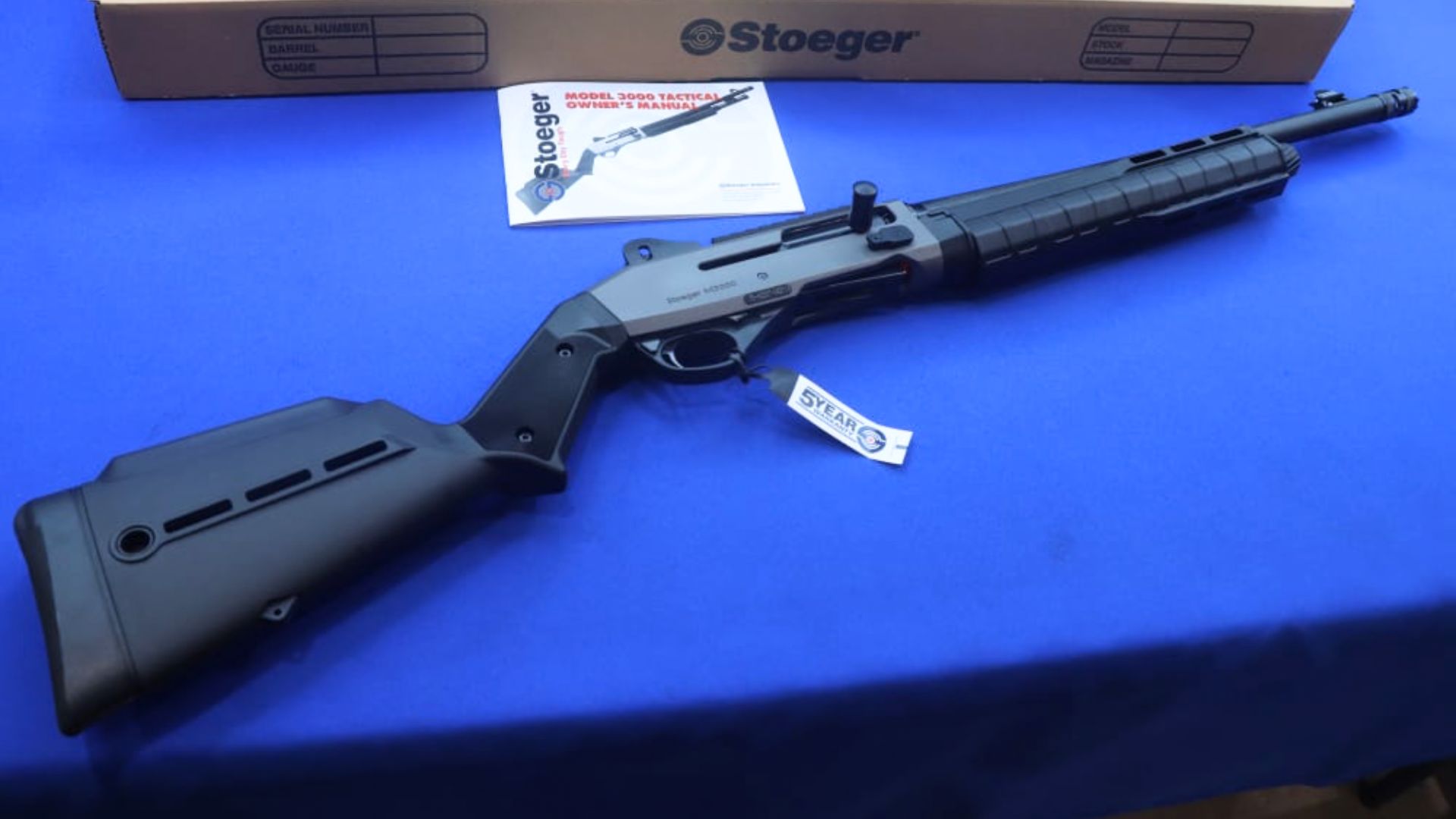
Stoeger M3000
The Stoeger M3000 offers an affordable semi-auto option, but reliability concerns surface in the field. The inertia-driven system can be picky with lighter hunting loads, especially in cold weather. Failure to cycle isn’t constant, but it happens enough to stay in your mind.
Fit and finish are basic, and controls can feel stiff with gloves. When the gun runs, it runs fine. When it doesn’t, you’re left clearing issues instead of watching birds. That unpredictability makes some hunters uneasy, particularly when the window for a clean shot is short and unforgiving.

Asher was raised in the woods and on the water, and it shows. He’s logged more hours behind a rifle and under a heavy pack than most men twice his age.