Knives that don’t hold an edge for long
Every knife starts sharp. What matters is how long it stays that way once you put it to work. When you’re breaking down cardboard, processing game, or doing camp chores, edge retention stops being a talking point and starts being something you notice fast. Some blades feel great in the hand and look right at home on your belt, but the steel tells a different story after a short stretch of use.
This list isn’t about bad knives across the board. Most of these cut well out of the box. The issue is how quickly you’re back on the stone. If you rely on a knife daily, you’ve probably met at least one of these and felt the letdown firsthand.
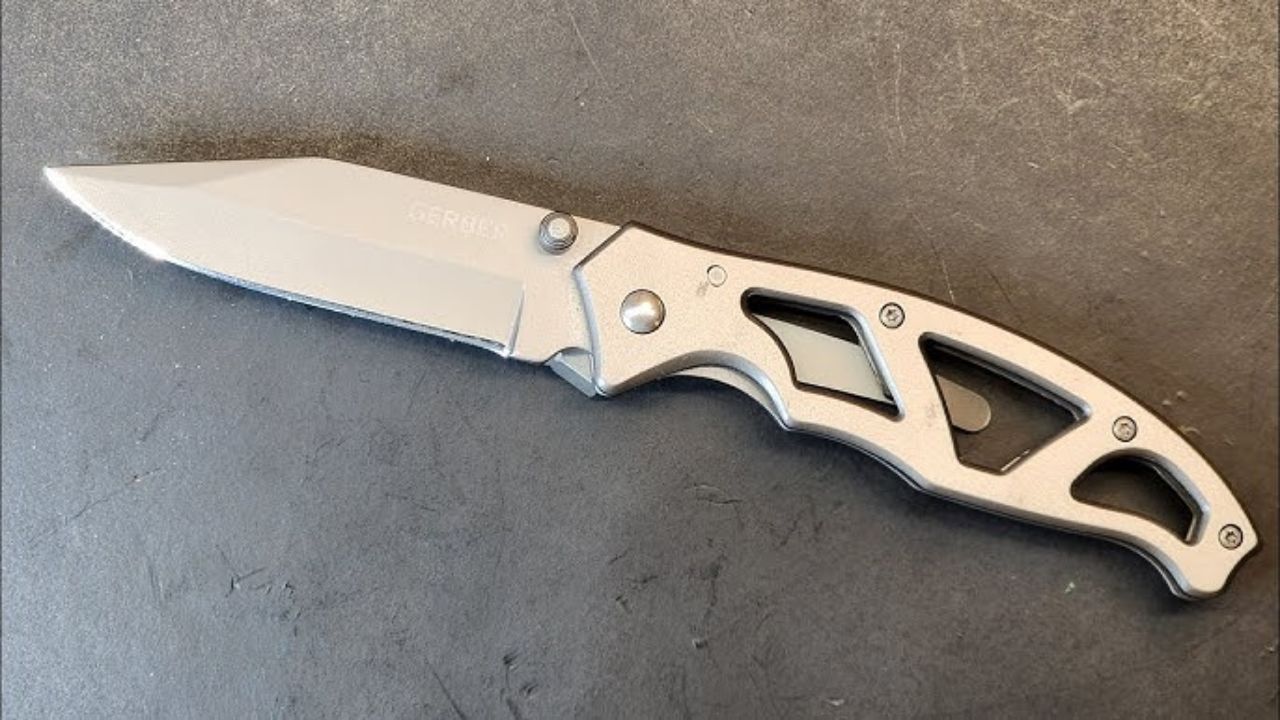
Gerber Paraframe
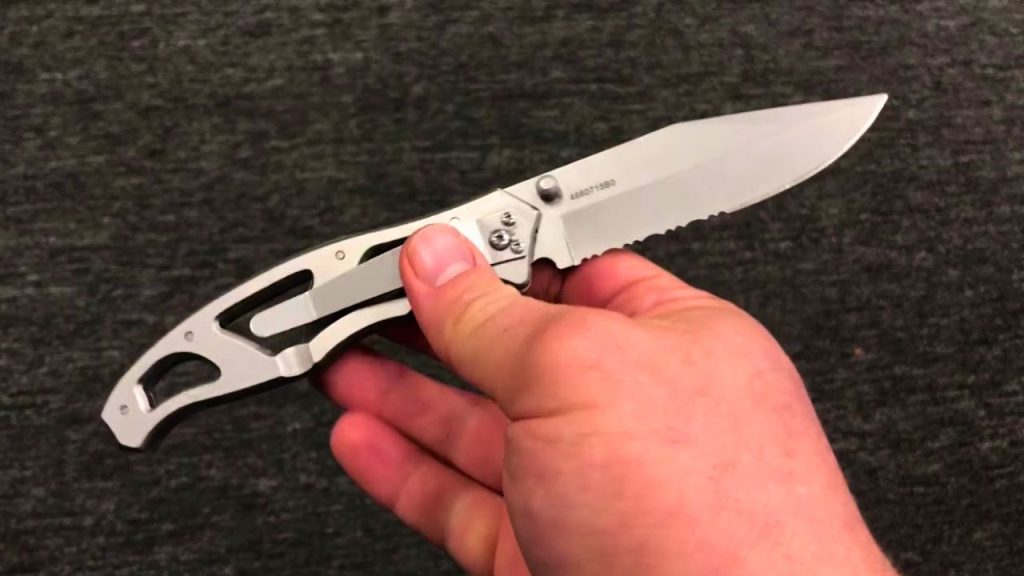
The Gerber Paraframe has been riding in pockets for years, mostly because it’s light and affordable. Out of the box, it slices well enough, but that edge fades quickly once you start cutting tougher material. Cardboard, zip ties, or light wood work will dull it faster than you’d expect.
The stainless steel is on the softer side, which makes it easy to sharpen but hard to keep sharp. You’ll find yourself touching it up often if it’s part of your daily carry. It’s fine for occasional use, but if you lean on it regularly, edge maintenance becomes part of the routine whether you want it or not.
Kershaw Leek (Sandvik 14C28N Versions)
The Kershaw Leek feels precise and clean in the hand, and it’s easy to like at first cut. The Sandvik steel sharpens quickly and takes a fine edge, but it doesn’t hang onto it for long when used hard. Repeated slicing tasks show wear fast.
If you’re opening boxes or trimming material throughout the day, you’ll notice performance drop sooner than expected. The thin blade geometry helps it cut well early, but it also accelerates edge loss. You’ll be reaching for a strop or sharpener more often than you’d like if it’s your main knife.
CRKT M16-14ZLEK
The CRKT M16 series looks capable and carries well, but the AUS-8 steel used in many versions struggles with edge life. It sharpens easily, which is nice, but that sharpness disappears quickly under steady use.
Once you put it to work on rope, plastic, or fibrous material, the edge rounds off fast. You’re not doing anything wrong—it’s the steel choice showing its limits. For light, occasional tasks it’s fine, but if you expect it to keep cutting day after day, you’ll end up frustrated by how often it needs attention.
SOG Trident Elite
The SOG Trident Elite has a lot going on, from the assisted opening to the safety features. What it doesn’t have is long-lasting edge performance. The AUS-8 steel dulls quicker than most people expect, especially during repetitive cutting.
You’ll feel the blade lose bite after short work sessions. Touch-ups are frequent if you use it beyond light duty. It’s dependable mechanically, but the steel choice keeps it from being a reliable long-term cutter. You start noticing resistance where there shouldn’t be any, and that’s when the sharpening kit comes back out.
Buck 110 (Standard 420HC)
The Buck 110 is a classic, and Buck’s heat treat does help their 420HC steel perform better than most. Even so, edge retention still trails behind newer steel options. It cuts clean at first, then gradually loses sharpness during sustained use.
Field dressing or heavier camp tasks will wear it down faster than expected. The upside is how easy it is to sharpen, even in the field. The downside is how often you’ll need to do it. It’s dependable, but not the knife you carry if you want to forget about sharpening for a while.
Gerber Bear Grylls Ultimate
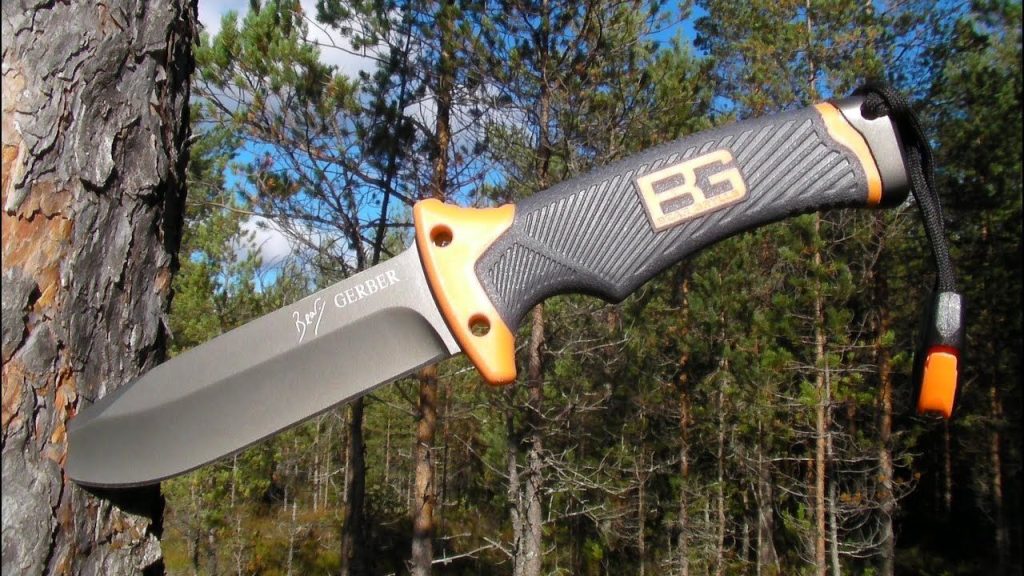
This knife looks ready for hard use, but the steel tells a different story. The stainless blade dulls quickly once you start batoning light wood or doing food prep over multiple meals. Initial sharpness doesn’t last.
You’ll feel drag build fast, especially on fibrous material. It’s designed to survive rough handling, but edge performance takes a back seat. You can bring it back with a sharpener easily, but you’ll be doing that more often than expected. For extended trips, that becomes a real consideration.
Schrade SCHF36
The Schrade SCHF36 is popular because it’s affordable and feels sturdy. The high-carbon steel takes a sharp edge easily, but it also loses it quickly without constant upkeep. Moisture and cutting resistance speed up the process.
You’ll notice edge degradation after moderate use, especially if you’re carving or processing wood. It’s not a bad knife for learning sharpening skills, because you’ll get plenty of practice. If you want a blade that keeps cutting without frequent touch-ups, this one falls short over time.
Cold Steel Kudu
The Cold Steel Kudu is lightweight and sharp out of the gate, but its steel prioritizes ease of sharpening over edge life. That tradeoff shows up fast during steady cutting tasks.
Rope, cardboard, and food prep will dull it sooner than most users expect. The blade geometry helps early performance, but it can’t compensate for how quickly the edge wears. You’ll appreciate how fast it sharpens, but you may get tired of how often it needs it, especially if it’s your daily knife.
Smith & Wesson SW7
Smith & Wesson knives often look the part, but the steel choice in models like the SW7 limits edge retention. It sharpens easily, then fades quickly with real use.
Cutting tougher materials exposes the softness of the blade. You’ll notice rolling or dulling after short sessions. It’s serviceable for light tasks, but extended work means frequent sharpening. If you carry it daily, edge upkeep becomes routine rather than occasional, which wears thin after a while.
Ka-Bar Dozier Folding Hunter (AUS-8)
The Dozier Folding Hunter is comfortable and practical, but the AUS-8 steel doesn’t excel at holding an edge. It performs well initially, then loses bite faster than many expect.
Daily utility tasks highlight the drop-off. You’ll feel resistance increase where the blade once slid cleanly. Sharpening brings it back quickly, but it never stays sharp for long. It’s a solid design with a steel choice that favors convenience over lasting performance, which shows with consistent use.
Morakniv Companion (Stainless)
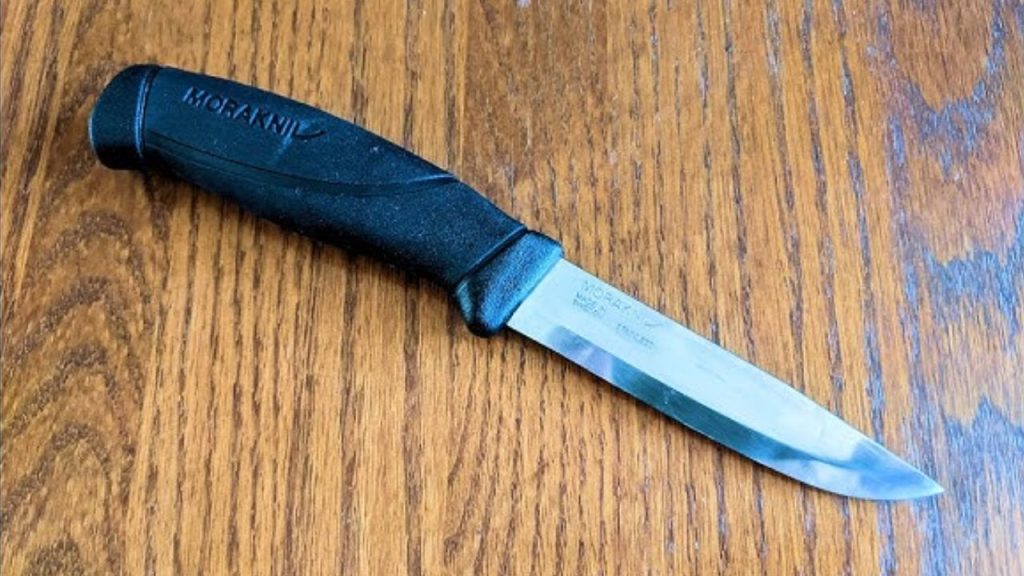
The Morakniv Companion cuts extremely well when sharp, but the stainless version gives up edge life faster than many realize. The thin grind helps it bite deep early, then dulls noticeably with extended work.
Wood carving, food prep, and camp chores wear it down quicker than thicker blades. It’s easy to sharpen and forgiving, but edge retention isn’t its strong suit. You’ll want a stone nearby if you’re relying on it for more than short tasks. It’s effective, but not long-lasting.
Ontario RAT Model 1 (AUS-8)
The Ontario RAT Model 1 feels capable and balanced, but the AUS-8 steel limits how long it stays sharp. Heavy use brings on dulling faster than expected.
You’ll notice the edge lose aggression during repeated cuts. It sharpens easily, but frequent touch-ups become part of ownership. For light to moderate use it’s fine, but daily work exposes its limits. The design earns praise, but edge retention is where the compromise shows up most clearly.

Asher was raised in the woods and on the water, and it shows. He’s logged more hours behind a rifle and under a heavy pack than most men twice his age.