Rifles that never quite earn trust
Trust in a rifle doesn’t come from specs or price tags. It’s built over cold mornings, missed chances, and long walks back to the truck. You learn which rifles settle your nerves when a shot counts and which ones keep a small doubt rattling around in your head. Some rifles aren’t outright bad. They’ll shoot decent groups one day and make you scratch your head the next. That inconsistency is what gets you. When a rifle never fully earns your confidence, you second-guess every squeeze. These are rifles that have left plenty of capable hunters wishing they’d brought something else into the woods.
Remington 783
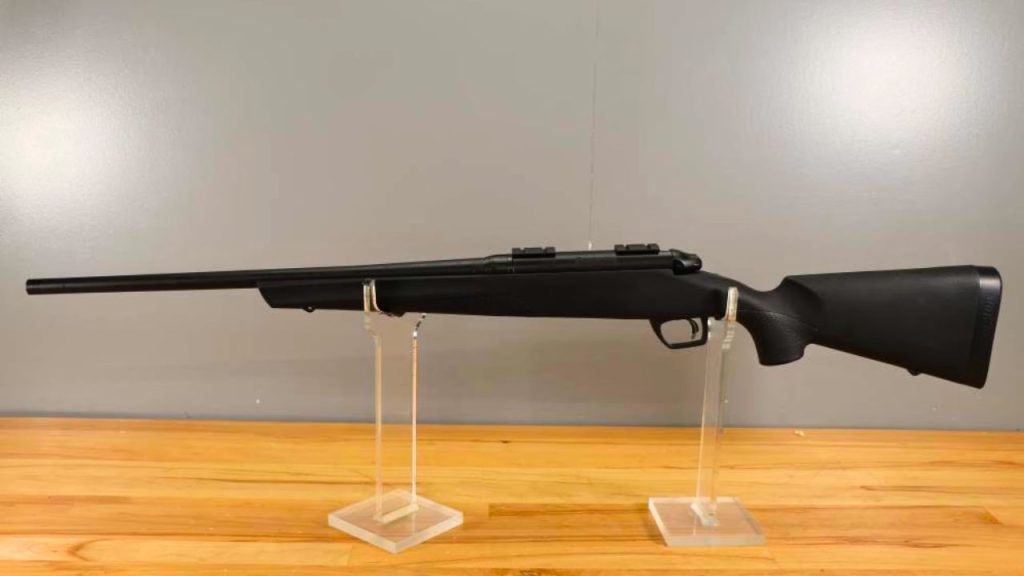
The Remington 783 was meant to be a budget-friendly answer for hunters who wanted accuracy without the cost. On the range, some examples shoot well enough to raise expectations. That’s where the trouble starts. Consistency from rifle to rifle has always been the weak spot, and you never quite know which version you’re holding.
Out in the field, rough bolt travel and a stiff magazine release can break your rhythm. The trigger varies more than it should, even after adjustment. You might trust it at the bench, but when the moment comes, there’s often a lingering doubt about whether today will be one of its good days.
Mossberg Patriot
The Mossberg Patriot looks the part of a lightweight hunting rifle, and on paper it checks plenty of boxes. Carrying it all day is easy, which makes you want to like it. The issue comes when accuracy swings wider than expected between loads or even between range sessions.
Bolt lift can feel rough, and the factory stock flex shows up at the wrong times. Some Patriots shoot well after careful ammo selection, others never quite settle down. When you can’t predict how the rifle will behave week to week, confidence erodes fast. You’re left hoping instead of knowing.
Savage Axis
Savage earned a reputation for accuracy, and the Axis trades heavily on that name. Some Axis rifles absolutely shoot, but others feel like they were rushed out the door. The stock is light to a fault, and you feel every bit of flex when you load into a bipod or sling up.
Triggers have improved over the years, but early models especially could feel vague. Feeding issues pop up just often enough to keep you alert for the wrong reasons. You might trust it for range work, but when a hunt depends on repeatability, that uncertainty lingers.
Thompson/Center Compass
The Compass entered the market with big promises and a low price. It’s capable of decent accuracy, but fit and finish often leave questions unanswered. Bolt travel can feel gritty, and magazine fit isn’t always consistent.
In the field, small issues add up. Stocks feel hollow, recoil can be sharper than expected, and the trigger doesn’t always break cleanly. You may shoot respectable groups one afternoon and struggle to repeat them the next. That unpredictability keeps you from fully relaxing behind the rifle when it matters most.
Browning AB3
The Browning name carries weight, which makes the AB3 more frustrating when it falls short of expectations. Accuracy is acceptable, but rarely impressive, and the rifle often feels overbuilt in the wrong places and under-refined in others.
The bolt throw isn’t as smooth as you expect, and the trigger can feel heavier than advertised. Balance is another issue, especially with larger calibers. Nothing is outright wrong, but nothing inspires confidence either. When a rifle leaves you neutral instead of assured, it’s hard to trust it when a shot window is closing.
Ruger American Predator (Early Models)
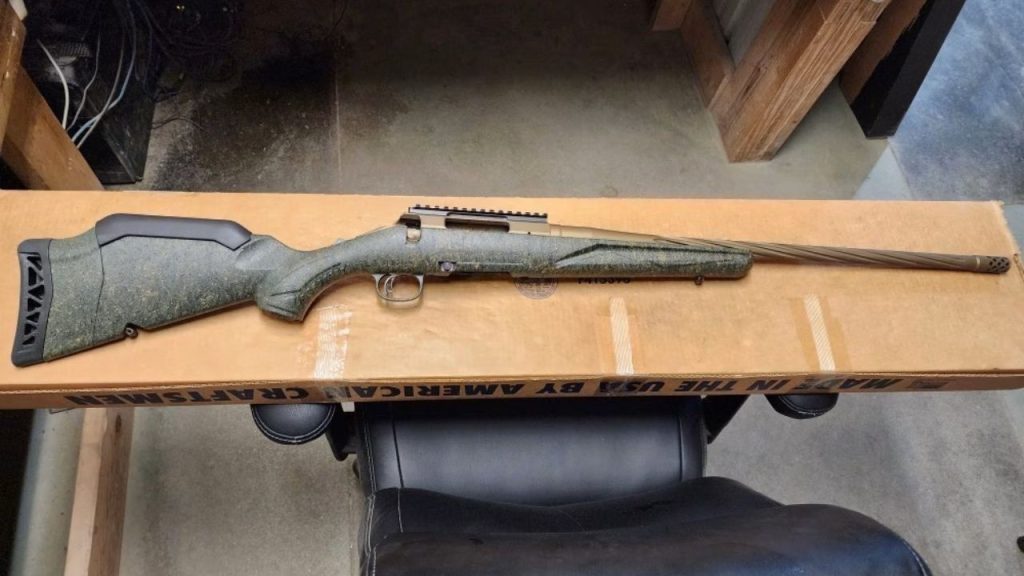
Early Ruger American Predators gained attention for price and chamber options, but first impressions weren’t always reassuring. Rotary magazines sometimes fit loosely, and feeding could feel awkward under pressure.
Accuracy was hit or miss depending on caliber and barrel quality. Some rifles grouped well, others never did no matter the ammo. Lightweight stocks amplified recoil and movement, making consistent shooting harder than it should be. Ruger refined the line over time, but early versions left enough hunters unsure whether the rifle would deliver when it counted.
Marlin X7 Series
The Marlin X7 had promise before it disappeared, which may be part of its problem. Some shot well, others struggled to maintain zero. Stock quality varied, and bedding issues weren’t uncommon.
Bolt operation felt uneven, and the trigger, while adjustable, lacked a clean break. You could tune one into a decent shooter, but it often took more effort than expected. When a rifle requires constant reassurance to stay dialed in, trust never fully settles in. The X7 often felt like a project instead of a partner.
CVA Hunter Bolt-Action
CVA surprised many shooters with its bolt-action rifles, but the Hunter series has been inconsistent. Lightweight construction makes it easy to carry, yet that same lightness works against stability.
Barrel heating shows up quickly, and accuracy can fall off after just a few shots. Some rifles respond well to specific loads, others remain finicky. The action isn’t rough, but it lacks the smooth confidence you want. When you find yourself limiting shots to avoid issues, that’s a sign trust never fully arrived.
Winchester Wildcat .22
A rimfire might seem like an odd inclusion, but trust matters here too. The Winchester Wildcat is fun and affordable, yet reliability varies depending on ammo and magazines.
Extraction issues appear often enough to keep you cautious. Accuracy is fine for plinking, but less predictable for small-game work. When you can’t rely on consistent cycling or grouping, even a .22 starts to feel questionable. You end up carrying extra magazines and backup ammo, which says more than any spec sheet ever could.
Mossberg MVP
The Mossberg MVP stands out for its AR magazine compatibility, but that feature also introduces problems. Feeding reliability depends heavily on magazine choice, and not all mags behave the same.
Bolt operation can feel clunky, especially when cycling quickly. Accuracy is decent but rarely impressive, and the stock doesn’t help with consistency. You may like the concept, but execution leaves doubt. When a rifle requires careful setup just to run smoothly, it’s hard to trust it for serious hunting situations.
Weatherby Vanguard First Generation
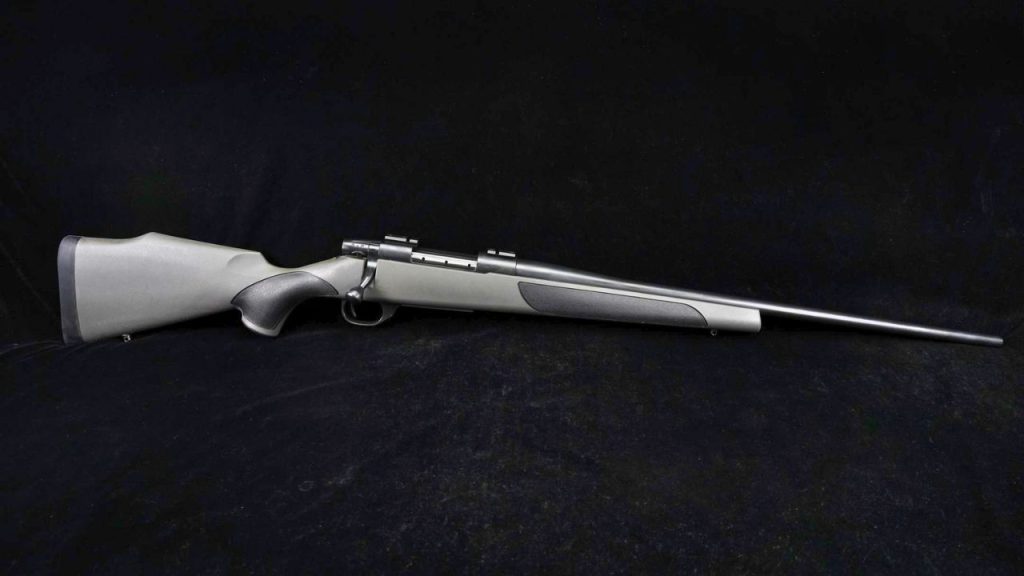
The original Vanguard rifles were solid in theory, but early production showed variation. Some were accurate, others less so, and triggers often needed work.
Weight and balance could feel off, especially in mountain terrain. While many hunters had good experiences, enough didn’t that confidence wasn’t universal. You might trust it after plenty of range time, but it didn’t inspire immediate faith out of the box. A rifle that needs convincing never quite earns unconditional trust.
H&R Handi-Rifle
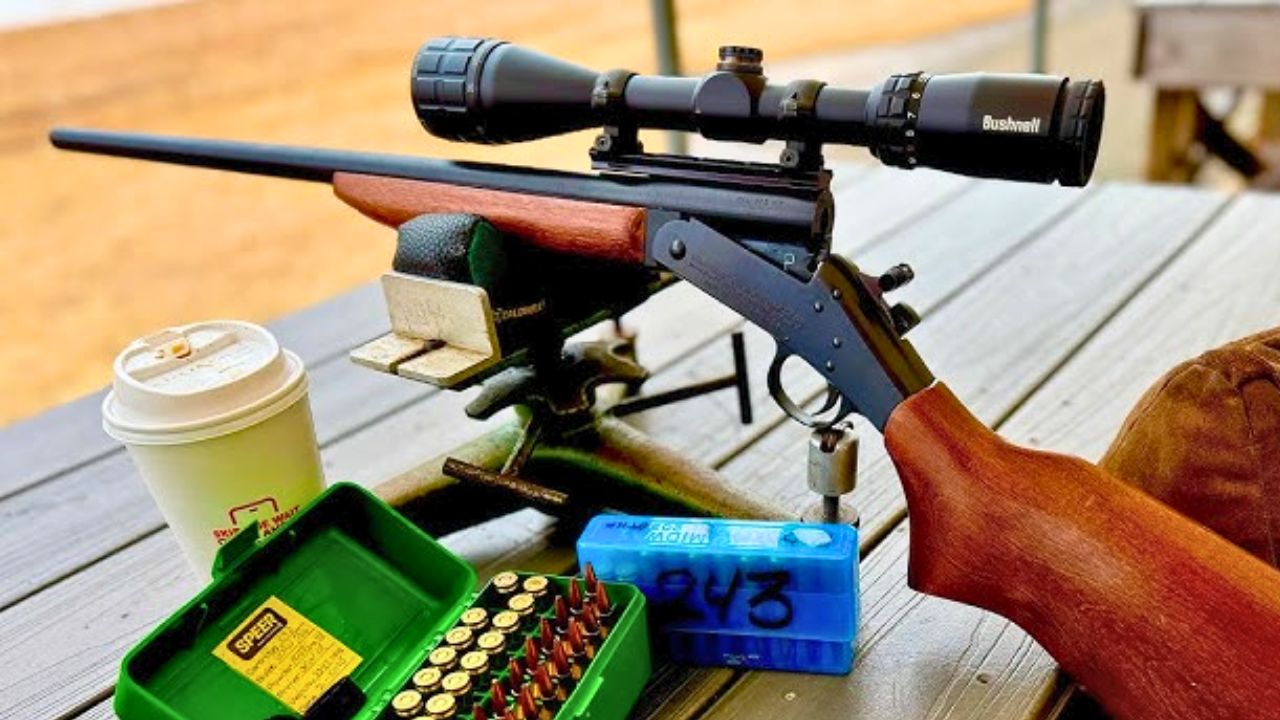
The Handi-Rifle is straightforward, but that simplicity doesn’t guarantee confidence. Break-action design means everything depends on lockup, and not all examples locked up the same.
Accuracy ranged widely, and follow-up shots were slow by nature. Trigger quality varied, and recoil could feel abrupt in lighter calibers. You could make it work, but you were always aware of its limits. When every shot feels like a commitment instead of a decision, trust remains tentative at best.

Asher was raised in the woods and on the water, and it shows. He’s logged more hours behind a rifle and under a heavy pack than most men twice his age.