Calibers that limit effective shooting
Every cartridge carries tradeoffs, and some of them stack those compromises higher than most shooters want to admit. A round can look good on paper or carry a strong reputation, yet still box you into narrow ranges, picky shot placement, or unrealistic expectations. When that happens, even solid fundamentals can’t stretch the cartridge beyond what physics allows.
Effective shooting isn’t about bragging rights or nostalgia. It’s about predictable performance when distance, wind, and real-world targets enter the picture. The calibers below all work in specific lanes, but step outside those lanes and they start holding you back. Knowing where the limits are helps you avoid forcing a cartridge to do work it was never meant to handle.
.22 Long Rifle
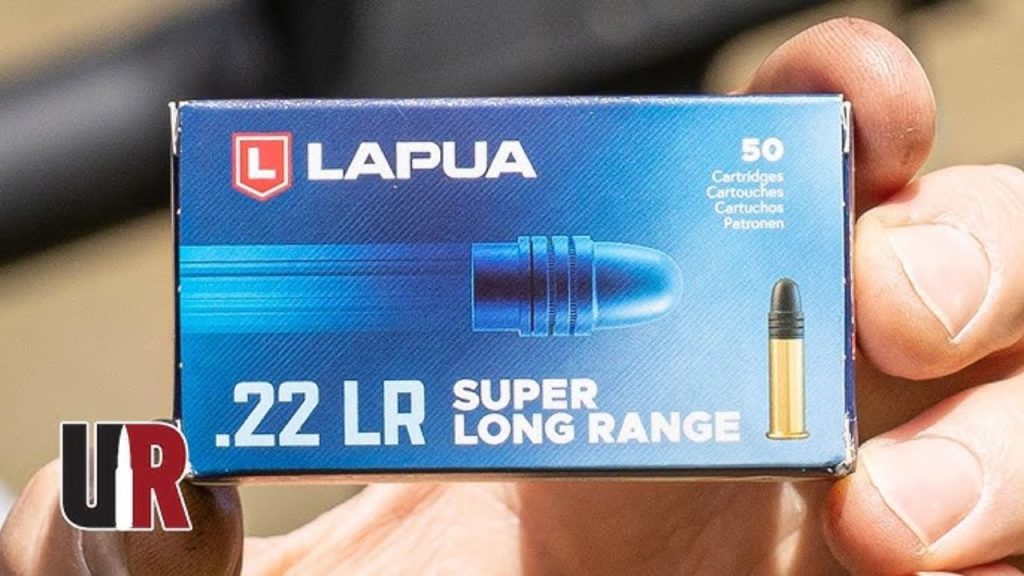
The .22 LR teaches fundamentals better than almost anything, but it runs out of authority fast. Once you move past short distances, wind drift becomes a serious problem. Even a mild crosswind can push a bullet far enough to miss small targets entirely. Drop also stacks up quickly, forcing you to hold over in ways that leave little margin for error.
Terminal performance is another hard stop. Penetration and energy are limited, which caps ethical use on live targets. You can shoot it accurately inside its window, but that window is narrow. Push it farther, and the cartridge turns consistency into guesswork, even for experienced shooters who know their dope.
.25 ACP
The .25 ACP exists mostly because small pistols once demanded it. Ballistically, it struggles to deliver consistent penetration or reliable accuracy beyond very close range. Even from well-made handguns, velocity is modest and energy drops off almost immediately after leaving the muzzle.
Recoil isn’t the issue here; limitations are. The round offers little forgiveness in shot placement and doesn’t carry enough momentum to overcome barriers. Effective shooting requires perfect conditions and careful aim, which isn’t realistic outside controlled settings. It functions, but it limits you to distances and expectations that most shooters outgrow quickly.
.17 HMR
The .17 HMR looks impressive with its speed and flat trajectory, but it’s far more sensitive than many realize. Wind becomes your biggest enemy, especially past 100 yards. Light bullets shed stability fast, and small gusts can undo careful aim.
Terminal performance also drops sharply on tougher targets. While accuracy is excellent in calm conditions, real-world shooting rarely offers that luxury. Once conditions change, consistency fades. You can shoot tight groups on paper, but effectiveness on live targets or reactive steel shrinks as distance and variables increase.
.410 Bore
The .410 bore shotgun is often marketed as easy to handle, but it limits pattern density and margin for error. With fewer pellets in the air, you need precise aim where larger gauges allow forgiveness. At longer ranges, patterns thin out quickly.
Slug options exist, but recoil-to-performance ratio isn’t favorable for most shooters. You’re forced to stay close and disciplined, which restricts versatility. It works for specific tasks, yet it leaves little room for imperfect angles or moving targets. Effective shooting becomes more demanding, not less.
5.45×39
The 5.45×39 offers mild recoil and decent accuracy, but ammo availability and bullet selection limit its usefulness. Many loads rely on older projectile designs that don’t perform consistently on impact. Wind drift also becomes noticeable at distance due to lighter bullets.
Ballistics are adequate, but flexibility isn’t. Finding match-grade or specialized hunting loads is difficult, which restricts what you can realistically do with the cartridge. You can shoot it well, but expanding beyond basic roles often turns into a sourcing and performance problem.
.30 Carbine
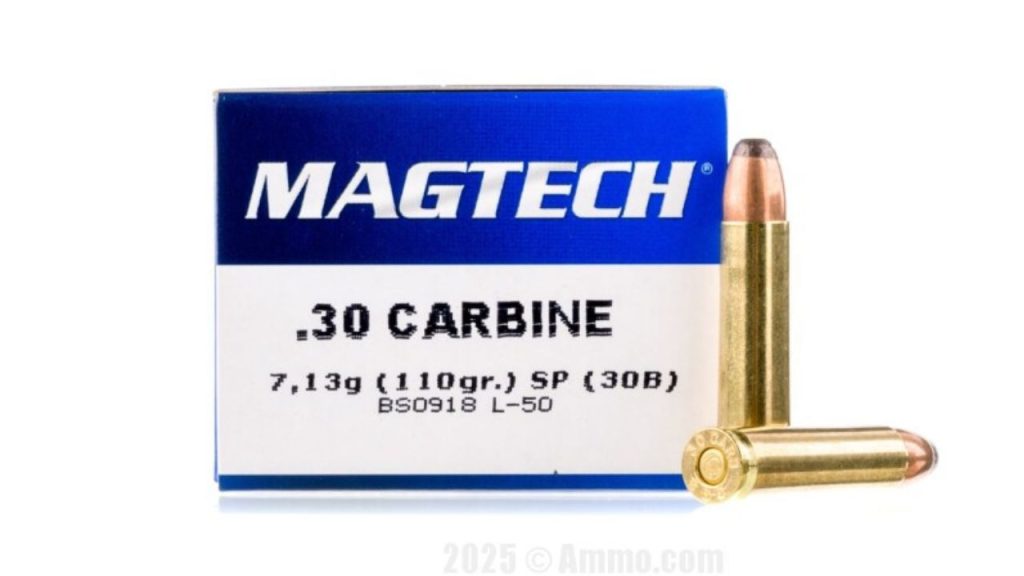
The .30 Carbine sits awkwardly between pistol and rifle performance. Inside its comfort zone, it’s controllable and quick. Step past that, and velocity loss becomes obvious. Drop and wind drift increase faster than many expect.
Terminal performance also falls short compared to modern intermediate cartridges. Shot placement becomes critical, and barriers quickly sap effectiveness. You can make accurate hits, but the cartridge limits reach and authority, forcing conservative decisions that other calibers handle with more confidence.
.224 Valkyrie
The .224 Valkyrie promised long-range performance from the AR platform, but real-world results often fall short. Ammo sensitivity and barrel twist requirements narrow the window for consistent accuracy. Wind drift remains an issue unless conditions are ideal.
Velocity doesn’t always match expectations, especially from shorter barrels. That limits practical distance and makes trajectory less predictable. When everything lines up, it works well. When it doesn’t, effective shooting becomes dependent on load selection and environmental luck rather than repeatable performance.
.357 SIG
The .357 SIG delivers speed, but it trades flexibility for that velocity. Recoil impulse is sharp, which affects follow-up shots for many shooters. Muzzle blast and noise also work against fast, accurate shooting.
Bullet selection is narrower than more common pistol calibers, and barrel length matters more than expected. Effectiveness drops quickly if conditions aren’t ideal. You can shoot it accurately, but sustaining that accuracy over time takes more effort than comparable options.
.45 Colt (Standard Pressure)
Standard-pressure .45 Colt loads are pleasant to shoot, but they limit range and penetration. Velocity is modest, and drop becomes significant past moderate distances. Wind doesn’t help either.
While heavier bullets carry momentum, they don’t carry speed. That caps effective distance and demands precise range estimation. You can shoot it well inside its lane, but stretching that lane leads to inconsistent results. It’s capable, but not forgiving once you push beyond traditional distances.
.204 Ruger
The .204 Ruger offers impressive velocity, but barrel life and wind sensitivity are real concerns. Light bullets move fast, yet they shed stability quickly when conditions change.
Terminal performance is limited on tougher targets, and bullet selection favors small game and varmints only. Effective shooting requires calm conditions and disciplined distance control. Outside that, misses and inconsistent hits become common, even when your fundamentals are solid.
6.5 Carcano
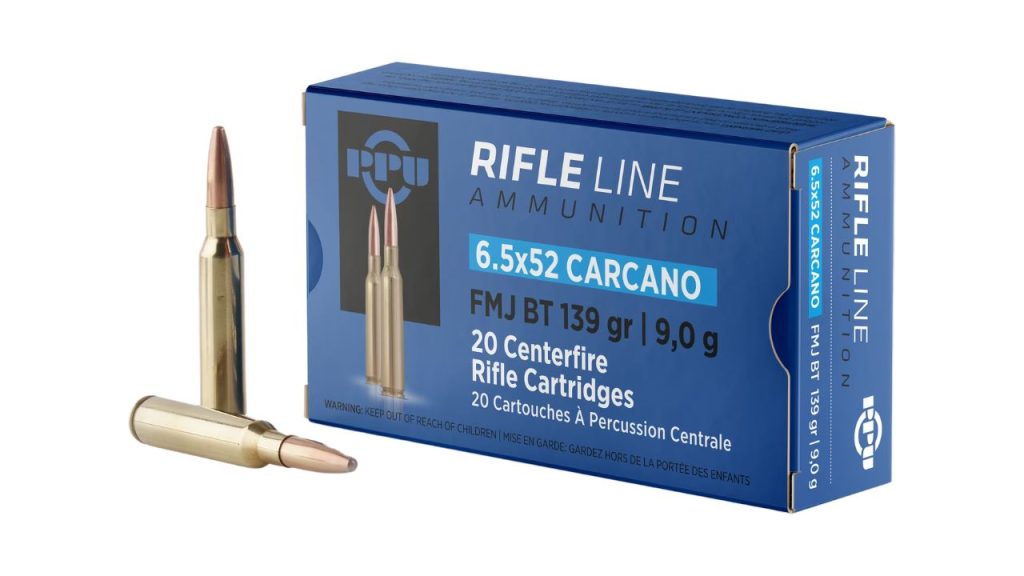
The 6.5 Carcano suffers more from logistics than ballistics. Ammo availability is inconsistent, and bullet diameters vary from modern standards. That makes accuracy unpredictable unless you handload carefully.
Velocity and energy are modest compared to modern 6.5 cartridges. Drop and wind drift are manageable but not forgiving. You can shoot it well with effort, yet the cartridge limits consistency and expansion into other roles. It works, but it asks more than it gives.
.32 ACP
The .32 ACP offers low recoil, but that comes with limited penetration and short effective range. Accuracy can be good, yet terminal performance drops off quickly.
Shot placement becomes critical, and barriers defeat the round easily. Effective shooting requires close distances and careful target selection. Even then, results vary depending on load and platform. It’s controllable, but it restricts what you can reasonably expect from each shot.

Asher was raised in the woods and on the water, and it shows. He’s logged more hours behind a rifle and under a heavy pack than most men twice his age.