Rifles that never quite earn trust
Some rifles carry a reputation for reliability or accuracy, yet in the field they leave you hesitant. Whether it’s inconsistent feeding, finicky triggers, or questionable fit and finish, certain models make even skilled shooters pause. Trust in a rifle doesn’t come from marketing; it comes from consistent performance when it counts. These rifles tend to underdeliver, requiring extra care, tinkering, or luck to function as expected. Here’s a list of rifles that, for various reasons, never fully earn confidence in the hands of hunters or marksmen who know what reliability actually feels like.
Savage B.Mag
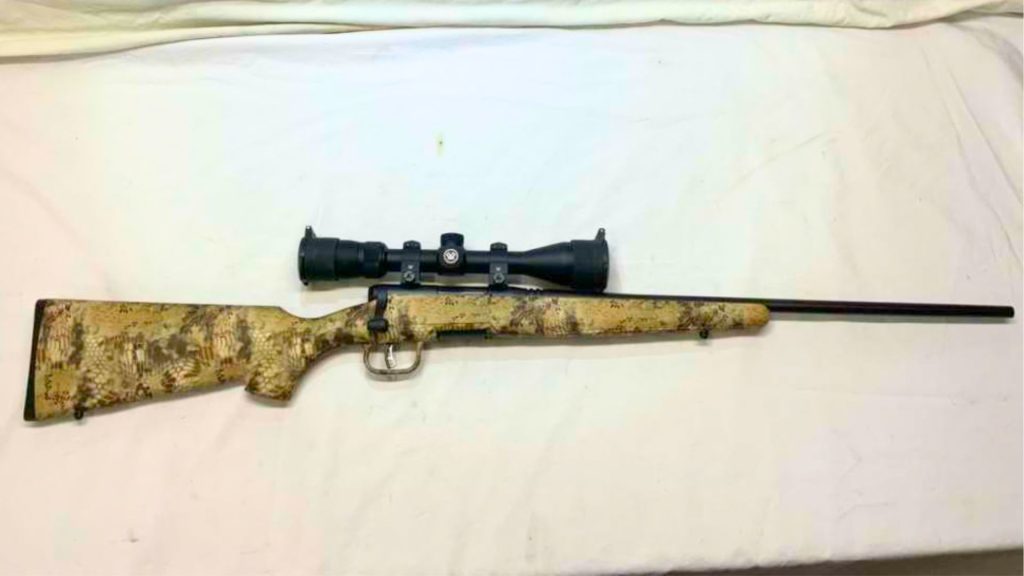
The Savage B.Mag is chambered in .17 Winchester Super Magnum, which offers high velocity, but the rifle itself can be finicky. Feeding issues and sensitivity to ammunition variations make consistent shots unpredictable.
Even experienced shooters find that barrel harmonics and stock fit require adjustment for repeatable accuracy. The small, lightweight design that seems convenient also exposes weaknesses in recoil control and balance. While it functions, it rarely inspires full confidence, especially in field conditions where reliability matters more than speed or novelty.
Remington Model Seven
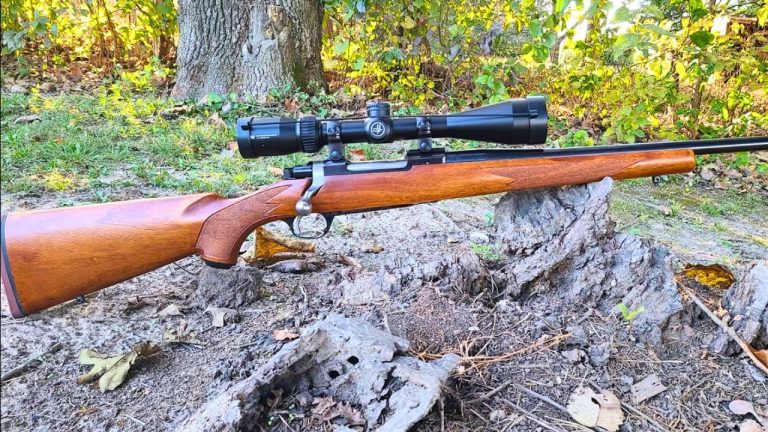
The Remington Model Seven is intended as a compact, lightweight alternative to the 700, but it struggles with ergonomics and trigger feel. Out-of-the-box accuracy varies, and some rifles require bedding or action tuning to stabilize performance.
Magazine-fed versions can have feeding inconsistencies, and the short stock can feel awkward for shooters with larger hands. While handy for backpacking, the rifle’s limitations often make it a compromise rather than a go-to option. Hunters quickly learn that the Model Seven can deliver, but trust must be earned through careful maintenance and experimentation.
Howa 1500 (Budget Variants)
Howa’s 1500 rifles have a reputation for smooth actions, but budget models sometimes reveal fit-and-finish issues. Stocks can be poorly shaped, and triggers, while adjustable, occasionally feel gritty or inconsistent.
Accuracy potential exists, yet tolerances in the action may require bedding or custom work to reach it reliably. Even for seasoned shooters, this rifle can produce unpredictable results without tweaks. While capable in the right hands, it doesn’t naturally inspire the confidence you expect from rifles in its price range.
Mossberg MVP Patrol
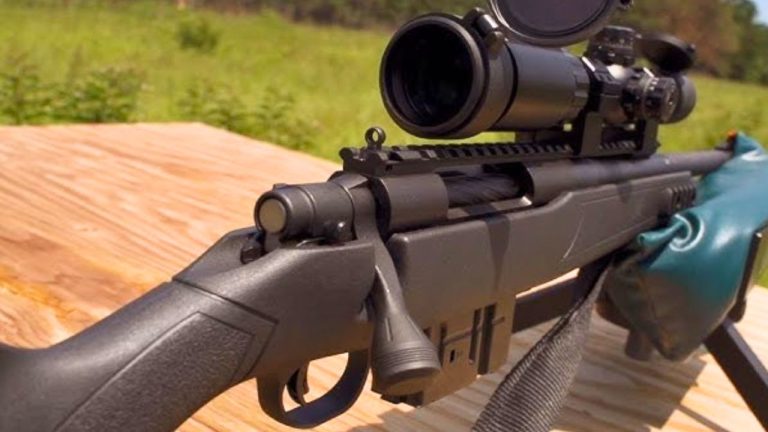
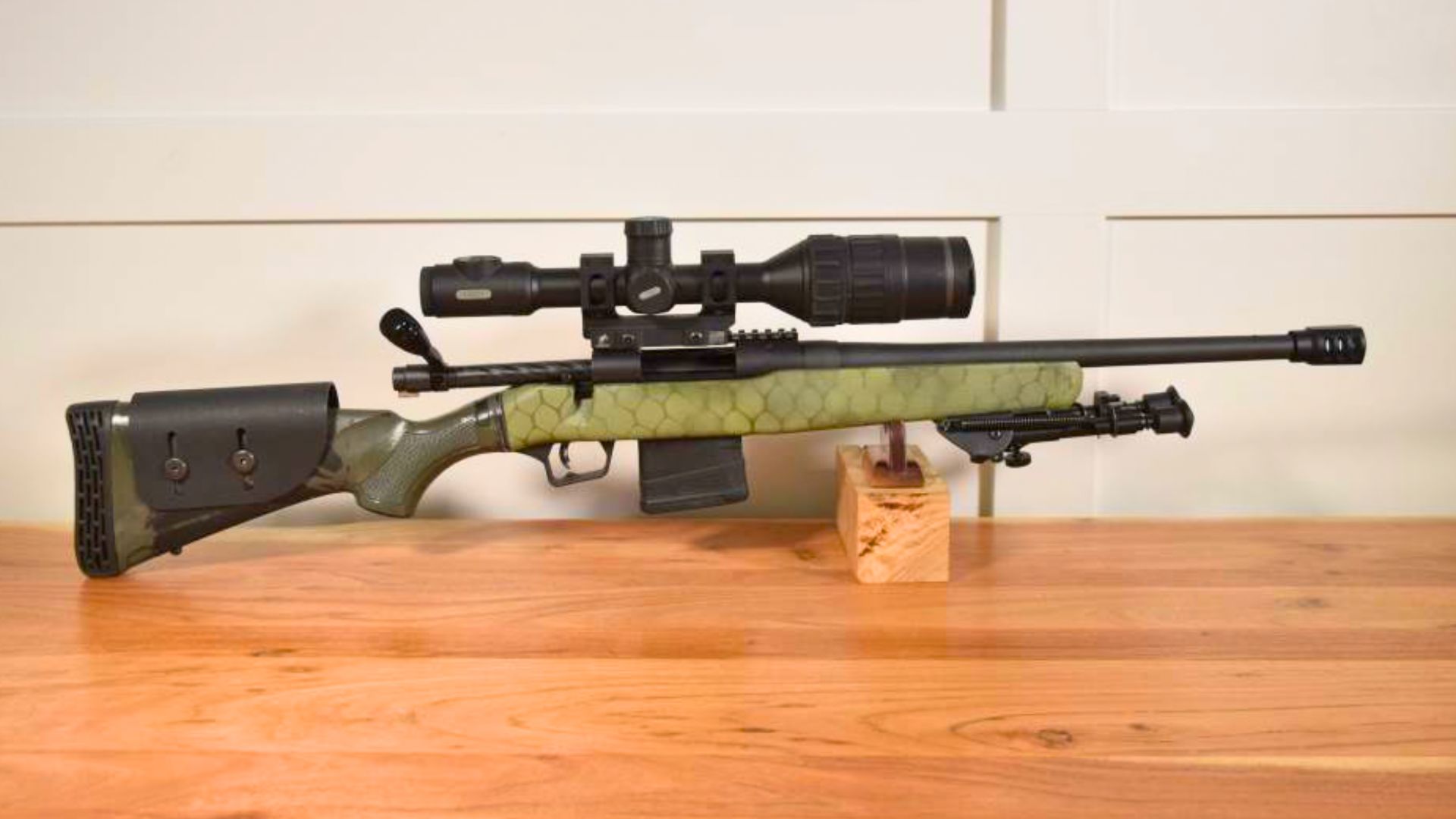
The Mossberg MVP Patrol is unique in chambering 5.56 NATO with AR-style magazines, but it suffers from feeding inconsistencies and occasional extractor issues. The flat-bottom stock and muzzle brake also alter recoil characteristics in a way that can surprise shooters.
Even experienced marksmen who are comfortable with semi-auto platforms notice quirks in bolt travel and magazine engagement. While it works, the platform demands constant attention to detail to function without hiccups. Hunters or tactical shooters may find themselves double-checking feeds and brass ejection more than they want.
CZ 527 Lux
The CZ 527 Lux is a well-crafted small-caliber rifle, but certain chamberings, like the 7.62×39, create reliability challenges. Feeding can be finicky, and the bolt lift sometimes feels stiff compared to other CZ models.
While accuracy is often excellent, shooters quickly notice that the rifle demands careful attention to ammunition selection. Misfeeds or hesitation in cycling erode confidence. Even veteran shooters must adapt to the rifle’s quirks, which makes it a “handle with care” option rather than a universally trusted hunting companion.
Savage Model 99 Tribute
The Savage 99 Tribute is a lever-action rifle with a storied legacy, but the modern tribute models can feel less reliable. Magazine tube springs and follower alignment sometimes produce feeding issues, especially with pointed bullets.
Lever action requires deliberate technique, and inconsistent rounds can exacerbate jams or hesitation. Even experienced shooters find that repeated cycling needs focus and care to maintain rhythm. While charming historically, the rifle doesn’t consistently inspire confidence for hunters expecting a plug-and-play experience.
Thompson/Center Venture
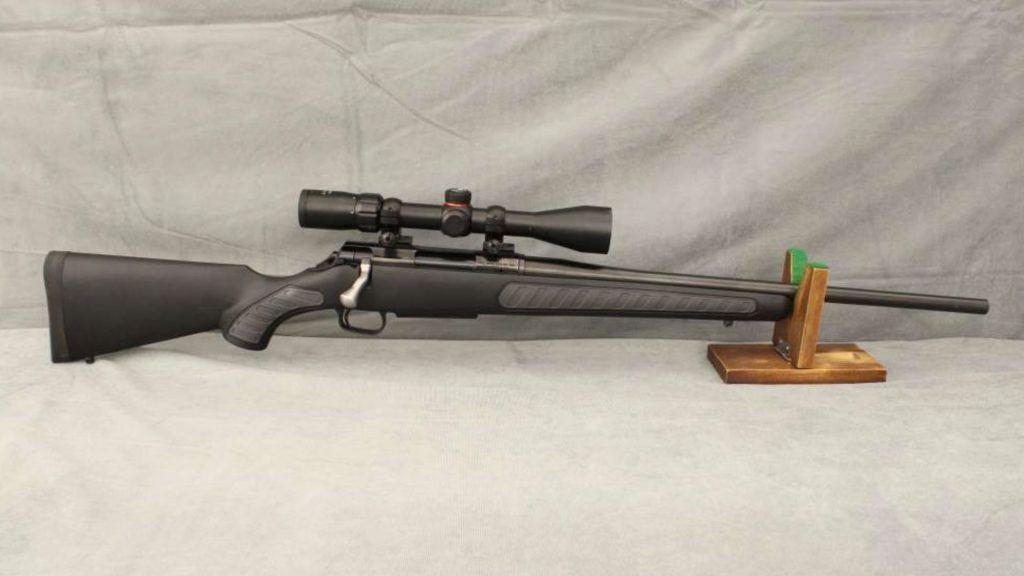
The T/C Venture series offers affordable bolt-action rifles, but stock geometry and trigger feel vary significantly between units. Out-of-the-box accuracy is fine, but inconsistent bedding can affect long-range shots.
The synthetic stocks can be slippery in wet conditions, and bolt lift sometimes requires extra force. Even competent shooters notice these subtleties, which reduce instinctive handling in stressful or fast-paced situations. The rifle functions, but it rarely feels like a natural extension of the shooter’s hands.
Bergara B-14 HMR
The Bergara B-14 HMR is marketed as a precision hunting rifle, yet some units show minor inconsistencies in chamber finish and bolt smoothness. Magazine interface can be finicky, especially with aftermarket magazines.
Even skilled shooters notice slight variances in trigger break and bedding tension between rifles. While capable of tight groups, the subtle inconsistencies make it feel less predictable in the field. Hunters looking for immediate, reliable performance may spend extra time tinkering to reach the level of trust the rifle’s reputation implies.
Remington 783
The Remington 783 is an entry-level bolt-action rifle, but inconsistent machining and bedding issues make it hard to trust out of the box. Trigger performance is uneven across rifles, and stock design doesn’t suit all shooters.
Even experienced hands may encounter feeding hiccups and inconsistent groupings without handloading or adjustments. While inexpensive and serviceable for casual shooting, the rifle often leaves hunters questioning whether it will perform when it matters most. Trust must be earned, and for many, that effort outweighs the benefit of the price.

Asher was raised in the woods and on the water, and it shows. He’s logged more hours behind a rifle and under a heavy pack than most men twice his age.