How to use wind and terrain to your advantage
When you’re out in the field chasing game, wind and terrain aren’t just background elements—they’re your silent partners in the hunt. You’ve got to respect how air moves across the landscape and how the ground shapes your approach. I’ve spent decades glassing ridges and slipping through draws, learning that a misplaced step or ignored breeze can end your day empty-handed. Pay attention to these factors, and you’ll stack the odds in your favor, whether you’re after whitetail in hardwoods or elk in the mountains. Let’s break it down so you can apply it next time you’re afield.
Understanding Wind Patterns
Wind isn’t random; it follows the land’s contours and shifts with the time of day. You need to watch how it funnels through valleys or swirls around hills. Early mornings often bring calm air rising from low spots, while evenings cool things down, pulling wind downhill.
Get in the habit of checking forecasts, but trust your senses more—puff some milkweed seeds or toss grass to see the direction. Animals smell you long before they see you, so position yourself where the wind carries your scent away. This basic awareness turns a guessing game into a calculated edge.
Reading Terrain Features
Look at the ground like a map that tells you where game beds, feeds, and travels. Ridges offer high vantage points, but saddles between them channel deer movement. Creeks and draws create natural funnels that animals follow for cover.
You should scout ahead, noting how slopes affect visibility and sound. Steep faces muffle your steps, while open flats expose you. Use these details to plan routes that keep you hidden. Over time, you’ll spot patterns that repeat across different areas, making every hunt more predictable.
Positioning Against the Wind
Always set up so the wind blows from the game toward you, not the other way around. If you’re in a stand, pick one where prevailing winds hit your face as animals approach. This keeps your odor drifting behind, out of their noses.
In varying terrain, adjust on the fly—move to the lee side of a hill if the breeze shifts. I’ve dodged busts by circling wide to stay downwind. Practice this, and you’ll avoid spooking quarry before you even draw your bow or raise your rifle.
Using Terrain to Mask Noise
Rough ground helps cover your footfalls better than flat land. Walk along rocky slopes or leaf-strewn edges where sounds blend in. Avoid dry grass or brittle twigs that crack underfoot.
Pair this with wind; a steady breeze rustles leaves, drowning out minor noises. I’ve crept within yards of bedded bucks by hugging contours that break line of sight. Stay low in dips, using them as shields. This combo lets you close distance without alerting game.
Handling Thermal Currents
Mornings heat up low areas first, creating updrafts that carry scent uphill. Evenings reverse it, with cooler air sinking. You have to anticipate these shifts around dawn and dusk when animals move most.
Position below expected travel routes in the a.m., above in the p.m. I’ve used this to intercept elk bugling down draws at twilight. Watch smoke from a small fire to gauge thermals if you’re unsure. Mastering them adds precision to your setups.
Scent Control with Wind
Wind dictates how far your human smell travels, so layer your defense. Wash gear in scent-free soap, but rely more on playing the breeze right. Hunt crosswind edges where air mixes unpredictably for game.
Terrain amplifies this—ridges disperse scent faster than tight valleys. I’ve stayed undetected by edging along bluffs where wind whips away odors. Combine with cover scents if needed, but nothing beats smart positioning. Keep practicing; it becomes second nature.
Ambushing from High Ground
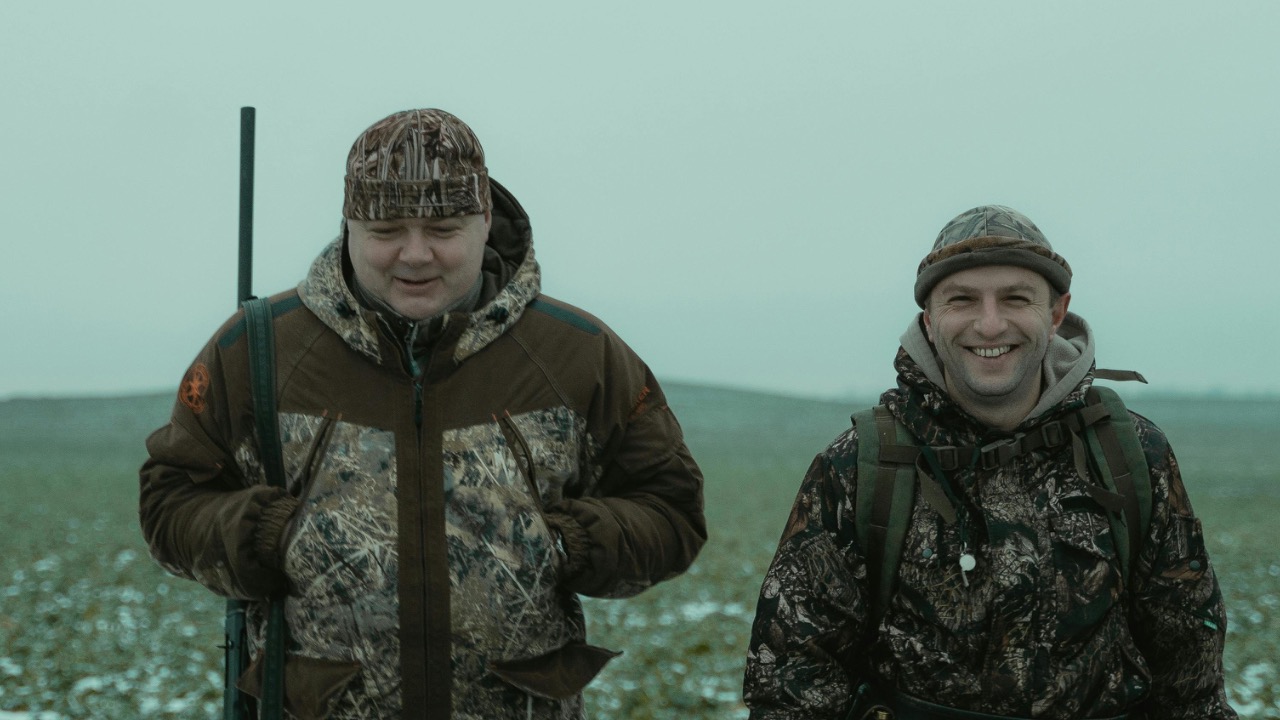
Elevations give you eyes on approaches without being skyline-silhouetted. Set up just below the crest, using the terrain to hide your outline. Wind often strengthens up high, pushing scents downhill away from game below.
Scan for trails converging on saddles or water. I’ve dropped mulies from such spots by waiting patiently. Drop lower if winds swirl. This vantage turns passive waiting into active observation, spotting game before they spot you.
Navigating Valleys and Lowlands
Low spots collect cooler air and scents, making them tricky. Animals bed here for shelter, but winds pool unpredictably. Approach from edges, using brush lines to break your shape.
You can use the terrain to funnel game past you—set stands where valleys narrow. I’ve called in turkeys through such chokepoints. Watch for crosswinds that betray you. Stay alert to moisture amplifying sounds; move slow.
Adapting to Gusty Conditions
Variable winds demand flexibility. Gusts mask noise but scatter scents erratically. Use terrain breaks like boulders or thickets to steady your position and block swirls.
Shift spots if patterns change—don’t stick to a failing setup. I’ve salvaged hunts by relocating mid-morning when breezes turned. Monitor with simple tools like powder puffs. Experience teaches you to read these cues quickly.
Avoiding Common Wind Mistakes
Don’t ignore subtle shifts; a light breeze can carry your scent far. Always check direction multiple times, especially in uneven terrain where air eddies.
Over-relying on gadgets skips building instincts—use them as backups. I’ve seen hunters busted by assuming flatland rules apply to hills. Position early, stay put unless needed. Learn from slips; each one sharpens your game.
Stalking with Terrain Cover
Creep using folds in the land to stay out of sight. Wind should blow toward you as you advance, masking your approach. Dips and rises let you pause hidden.
Pair with slow movement; animals detect motion first. I’ve taken pronghorn by belly-crawling draws while wind covered rustles. Scout routes beforehand. This method demands patience but delivers close encounters.
Tools for Wind Detection
Carry lightweight puffers filled with unscented powder to visualize air flow. Apps help predict, but field checks rule. In terrain, note how trees sway at different heights.
Use these to confirm setups. I’ve avoided bad stands by puffing before committing. Combine with topo maps for planning. Keep it simple—tools enhance, not replace, your skills.

Asher was raised in the woods and on the water, and it shows. He’s logged more hours behind a rifle and under a heavy pack than most men twice his age.