Hunting rifles that fall short of expectations
Hey, listen, I’ve spent more seasons in the woods than I care to count, chasing everything from whitetails in thick timber to elk up high where the air’s thin and the shots stretch out. Over those years, you learn quick that not every rifle lives up to the talk when the tag’s filled and the moment counts. Some look sharp on the shelf, promise a lot at the counter, but once you carry them through mud, cold snaps, and long sits, the cracks show.
Plenty of hunters have handed me their rifle after a tough season, shaking their heads, saying it let them down right when it mattered. The truth is, budget models often cut corners to hit a price, and even some well-regarded ones have quirks that bite in the field. Here’s what tends to fall short, based on what I’ve seen and heard from folks who’ve been out there with me.
Remington 770 and Similar Budget Bolt-Actions
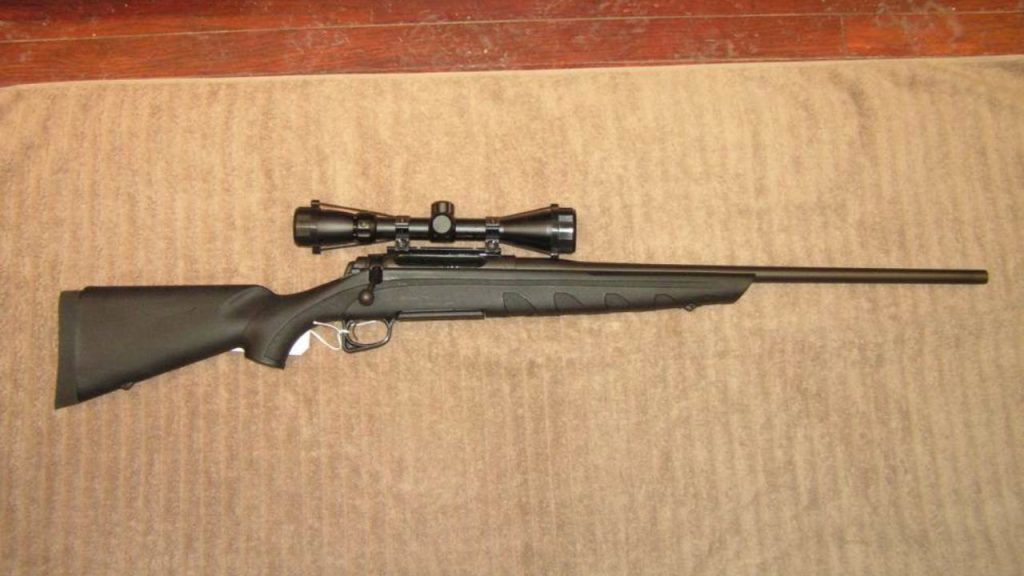
You pick one up thinking it’s a solid entry-level deer rifle, cheap enough to leave room for a decent scope. The action starts rough, like you’re forcing it through sandpaper. Accuracy holds for a box or two at the range, but after a few rounds or a cold morning, groups open up wide enough to miss vitals at 150 yards. The synthetic stock feels hollow and flexes under sling tension or when you brace against a tree. Hunters carry these for a season, then trade up because they never build real confidence in the clutch.
Plenty end up as safe queens after one disappointing hunt. The bolt binds when you need it smooth, and the included scope usually fogs or shifts zero. For the money, you’re better off saving a bit more for something that cycles clean and holds point of aim through a wet November.
Savage Axis Series Early Models
These come in low, and the barrel often shoots well enough out of the box to punch paper respectably. But the stock flexes like a willow branch when you shoulder it or apply pressure in awkward positions. That flex throws shots off just enough to frustrate you on a quartering shot. Triggers start gritty, and the whole package feels light in a way that amplifies recoil instead of taming it.
After dragging one through brush or sitting with it across your knees, the cheap feel wears on you. Many hunters add aftermarket fixes—better bedding, trigger work—but by then you’ve spent what could’ve bought a rifle that didn’t need doctoring from day one. It’s a starter that stays a starter.
Remington-Era Marlin 336 Lever-Actions
The old Marlin name carried weight for generations, smooth actions and reliable feeding on deer drives. When Remington took over, machining got rough, wood fit suffered, and some came with actions that felt stiff right from the box. Feeding hangs up with certain loads, especially if dirt or cold gets in there. You expect that classic lever throw to be buttery, but it fights you when gloves are on or hands are numb.
Hunters who bought during those years often ran them hard one season, then shelved them for something dependable. The disappointment hits hardest when you need a quick follow-up and the rifle hesitates. Newer Ruger-built ones fixed a lot, but those older runs left plenty of folks burned.
Rossi RS22 Semi-Auto Rimfires
You grab one for squirrels or rabbits, figuring the low price means easy fun in the off-season. Feeding issues crop up fast with bulk ammo, and accuracy scatters once the barrel heats. The polymer parts feel fragile after a few miles of walking edges. Jams turn a quiet sit into a cuss-fest, and extraction fails at the worst times.
Most who try it for serious small game move on quick. It’s fine for plinking, but when you’re counting on it to fill the pot, the unreliability shows. Better to spend a little extra on something that cycles without drama every time.
Remington 710 and 770 Variants
These were marketed as affordable hunters, but the bolt feels forced, and the stock creaks under normal use. Scopes that come bundled usually lose zero or fog up in damp conditions. Accuracy fades after moderate shooting, and the whole rifle gives a cheap vibe that erodes trust. You line up on a buck, squeeze, and wonder if it’ll hold together.
Hunters often regret these after one season of constant tweaking. The design prioritizes price over field durability, and it shows when weather turns or you need to run the bolt fast. Plenty sit in closets now, replaced by rifles that just work.
CVA Scout Single-Shot Models in Certain Loads
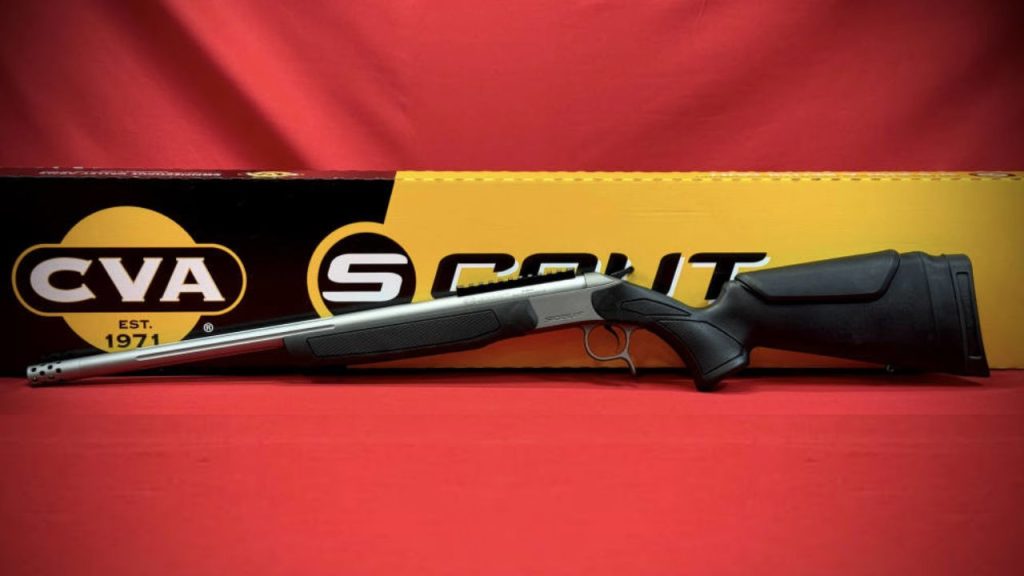
Simple break-action design appeals for its light weight and no-fuss operation. But some chamberings, like .350 Legend, get picky with factory ammo—Winchester loads in particular lead to inconsistent ignition or light strikes. You sight it in fine, but on a cold hunt, that primer doesn’t always fire reliably.
Hunters who run into this frustration switch to other brands or loads. The rifle itself is solid for what it is, but ammo sensitivity turns it into a headache when you can’t afford a miss. Test thoroughly before counting on it in the field.
Mossberg Blaze or ATR Budget Lines
Lightweight builds promise easy carry, but the stocks flex and scope mounts shift after rough handling. Feeding jams show up in semi-auto versions, and accuracy drops off quick. They look good on paper for the price, but in wet brush or after a hike, the shortcuts become obvious.
Many who start with these upgrade fast. The lightweight feel turns into fragility when you need a rifle that takes abuse without complaint. Better options exist even in the budget range.
Early Ruger American Predator Models
Great on paper for varmint or longer shots, but some had stiff bolts after terrain carried them. Accuracy holds at the bench, but in field positions or after dirt gets in, it fights you. Hunters notice it most when they need quick follow-ups on coyotes or prairie dogs.
The rifle improves with use, but initial disappointment sends some looking elsewhere. Newer versions fixed a lot, but early ones left hunters cautious.
These are the ones that come up time and again around campfires—rifles that promised more than they delivered once the real work started. Pick carefully, test hard, and trust what performs in the conditions you actually hunt. The woods don’t care about hype.

Asher was raised in the woods and on the water, and it shows. He’s logged more hours behind a rifle and under a heavy pack than most men twice his age.