
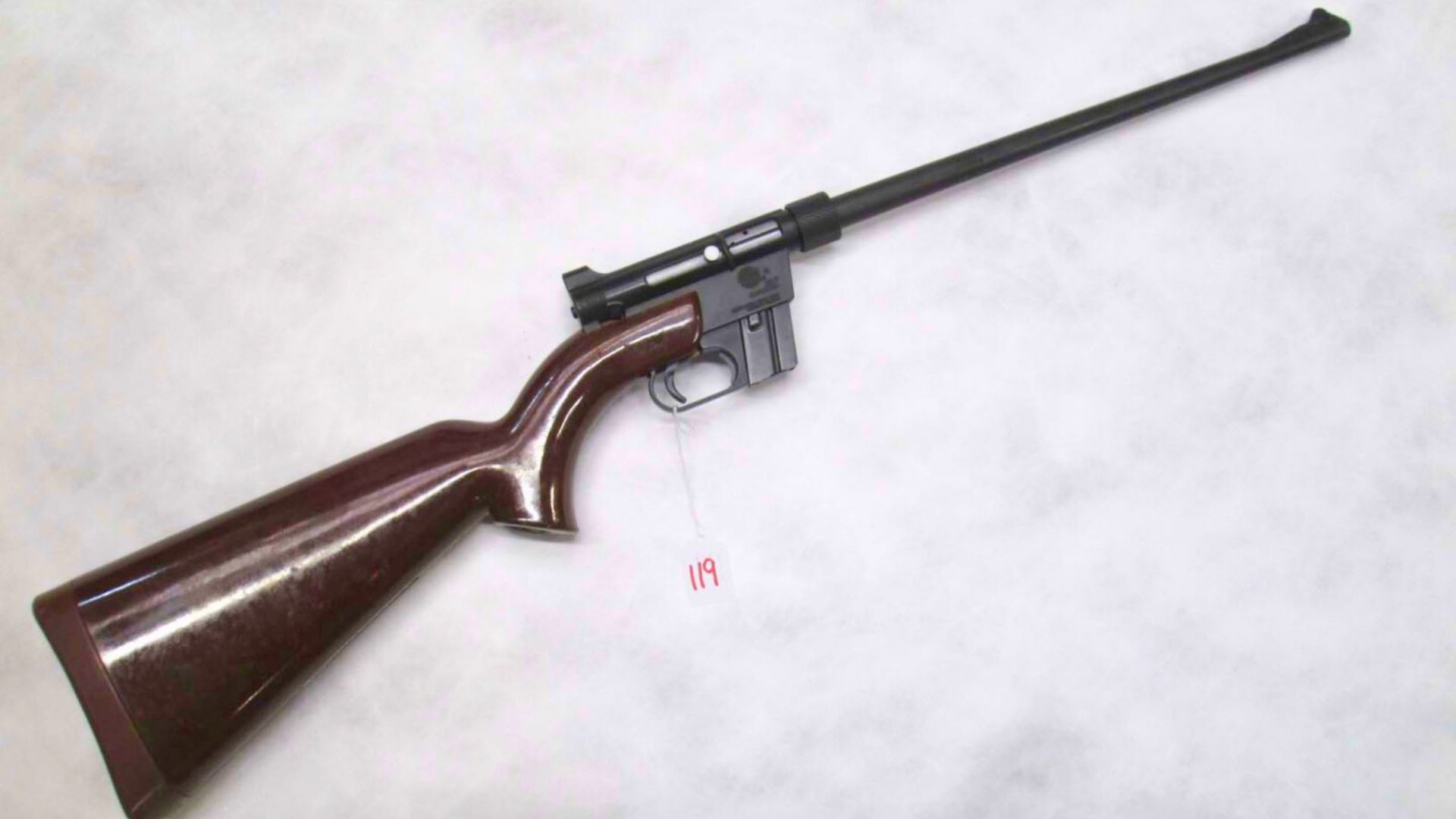
Rifles that prove not every idea deserves production
Every now and then, a rifle hits the market that makes you wonder how it cleared the design phase. Some look clever on paper but fall apart the moment you start running them through real-world conditions. Others promise features nobody asked for, paired with performance nobody wants. When a rifle constantly needs adjustments or forces you to work around its shortcomings, the excitement fades fast. You’ve probably shot at least one gun that made you shake your head and mutter, “Who thought this was a good idea?” These rifles earned that reaction the hard way.
Winchester Model 190

The Winchester Model 190 was intended to be an affordable semi-auto .22, but cost-cutting had predictable consequences. Its blowback system didn’t handle dirty ammunition well, and many shooters struggled to get through a day at the range without multiple failures.
Beyond reliability, the plastic trigger housing wore out faster than it should’ve. Accuracy was decent only when everything was perfectly clean. Once fouled, groups opened up quickly. The rifle had potential as a budget plinker, but the shortcuts showed themselves too easily. Most owners eventually learned that maintenance wasn’t optional—it was constant.
Remington Model 742
The 742 made a name for itself, but not for the right reasons. Its semi-auto action had a habit of wearing unevenly, which turned cycling into a gamble. Many rifles ended up with rails so chewed up that gunsmiths refused to repair them.
Accuracy degraded as the action wore, frustrating hunters who once trusted it. When everything was working, the rifle felt fine, but that window closed sooner than most expected. Over time, the 742 cemented its reputation as a rifle that shot well early on and then slid downhill fast.
Ruger Mini-30
The Mini-30 tried to blend the Mini-14 feel with 7.62×39 ammunition, but its accuracy rarely lived up to expectations. Even with good ammo, the rifle struggled to deliver consistent groups, especially once the barrel heated up.
Feeding wasn’t always smooth either. The rifle preferred certain magazines and could choke on steel-cased ammo that other 7.62×39 guns handle without complaint. While it carried well and felt familiar, shooters looking for dependable field performance often walked away disappointed. It simply never did what people wanted it to do.
Mossberg MVP

The Mossberg MVP concept—feeding AR magazines from a bolt gun—sounded clever, but the execution left room for improvement. The rifle’s magazine system caused feeding irregularities, especially with well-worn mags or thicker-walled variants.
The trigger could be touchy, and some rifles developed inconsistent accuracy after extended use. The bolt lift felt rough on many examples, making faster shooting awkward. While the idea had merit, the final product introduced more problems than most shooters wanted to deal with. You had to work around the gun instead of with it.
Thompson/Center Dimension
The Dimension offered a modular approach where you could swap barrels and calibers, but the rifle’s unusual stock geometry and bulky design turned off many shooters. It never handled like a traditional hunting rifle.
Accuracy was inconsistent across caliber kits, and barrel swaps weren’t as seamless as advertised. Many shooters found themselves constantly tweaking torque settings to keep things running right. The idea of one rifle doing everything was tempting, but in practice, the platform felt clunky and overly complicated. It disappeared quietly for a reason.
Remington Model 597
The Model 597 was intended to compete with semi-auto .22 favorites, but feeding problems and sensitive magazines plagued the rifle. Cheap ammo exaggerated the issues, leaving shooters clearing jams more than they liked.
Even with better ammunition, some rifles struggled to maintain consistent grouping. The factory magazines, especially early ones, were notoriously unreliable. While the rifle had a nice feel in the hands, the performance never lined up with its potential. It became one of those guns people wanted to like, but couldn’t fully trust.
Armalite AR-7
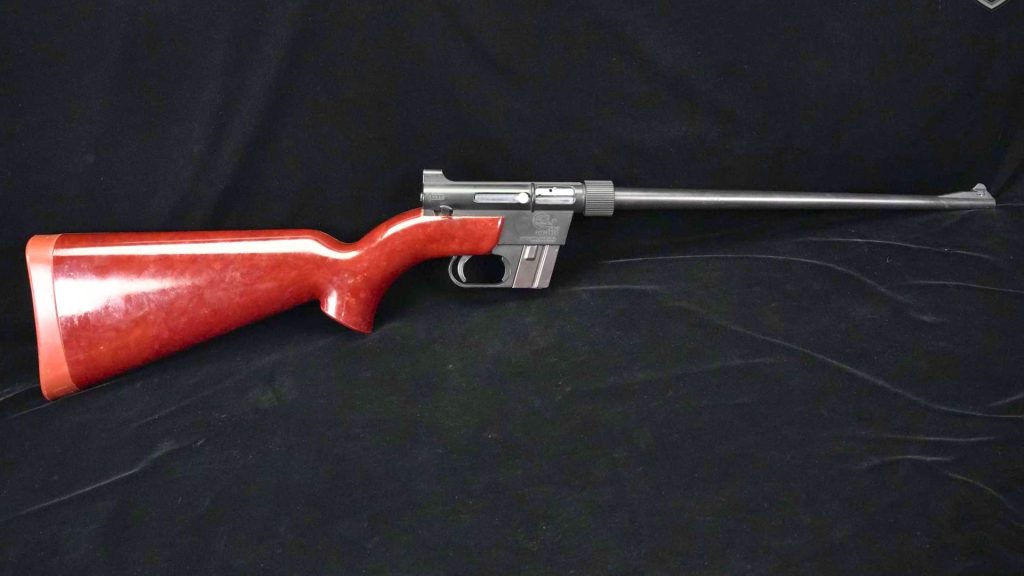
The AR-7 survival rifle is lightweight and portable, but those same features created problems. Early models in particular jammed frequently, and the accuracy was marginal even under ideal conditions.
The floating stock design was clever for packing, but the overall build felt fragile. Many shooters found that parts loosened over time, degrading performance further. While its compact nature appealed to backpackers and pilots, the rifle’s handling and reliability never matched its advertised purpose. It’s a neat idea that never matured into a dependable tool.
Browning Lever Rifle (BLR) Early Models
The early BLR rifles carried appeal due to their chamberings, but the trigger often felt spongy and unpredictable. Shooters accustomed to cleaner lever-gun triggers noticed the difference immediately.
Some early production rifles also developed accuracy shifts when the barrel warmed up. The aluminum receiver, while helping with weight, didn’t offer the same stability as steel options. Later models improved, but the early ones left many hunters scratching their heads, wondering why such a respected company released rifles that needed so much refinement.
Remington Nylon 76
The Nylon 76 stands out as an odd attempt at a lever-action .22 using polymer at a time when few companies trusted the material. Durability wasn’t bad, but the action felt gritty and awkward for many shooters.
Accuracy was average at best, and the rifle’s unique mechanism made repairs difficult. Few gunsmiths were eager to work on them due to the unfamiliar internals. While the Nylon series overall had some bright spots, the 76 lagged behind and never offered enough performance to justify its novelty.
Winchester SXR
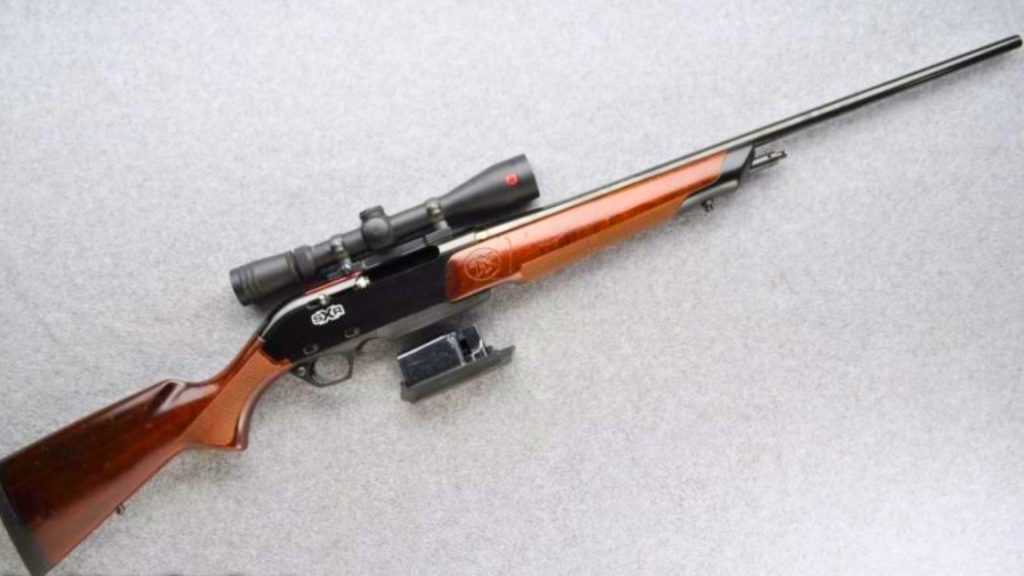
The Winchester SXR semi-auto rifle struggled to gain a foothold due to inconsistent reliability. Cycling issues showed up too often, especially with heavier hunting loads. Shooters wanted a dependable semi-auto for the field, and this one didn’t always provide it.
Accuracy varied from rifle to rifle, and the long recoil impulse made follow-up shots tougher than expected. The handling wasn’t terrible, but it never felt fully dialed in. With so many strong competitors available, the SXR faded quickly as shooters moved to options that simply worked better.
Remington 788 Carbine
The 788 is remembered fondly by some, but the carbine-length versions developed a reputation for bolt-handle failures. The brazed-on handles occasionally snapped under pressure, leaving shooters with a problem they couldn’t fix on the spot.
The rifles shot well, but the construction shortcuts hurt their long-term durability. Combined with extractor issues that occasionally appeared, the carbine models became known as rifles that offered good accuracy but questionable staying power. Many shooters learned to be cautious with them, and that hesitation kept the rifle from reaching its full potential.

Asher was raised in the woods and on the water, and it shows. He’s logged more hours behind a rifle and under a heavy pack than most men twice his age.


