Guns that lose value almost immediately
Some firearms hold their worth because demand stays steady and parts, magazines, and support remain easy to find. Others slide the moment the receipt prints. That drop usually has nothing to do with whether the gun works. It’s about oversupply, shifting trends, limited aftermarket, or a reputation that never really caught on. You notice it fast when you try to trade one toward something else and the number comes back lower than expected.
If you’ve spent time buying and selling guns, you start spotting patterns. Certain models look appealing new, then cool off hard once they leave the counter. These are the kinds of guns that teach you how quickly the market can turn.
Remington R51 (Second Generation)
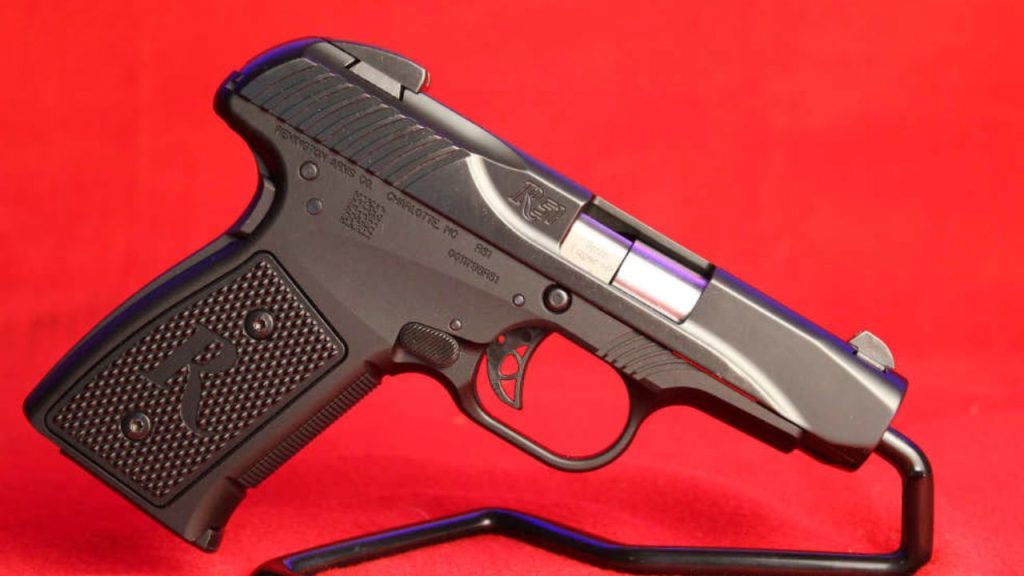
The R51’s second run fixed many issues from the original release, but the damage was already done. Buyers remembered the recalls and early problems, and that memory followed the pistol into the used market. Even improved versions struggled to shake the stigma, and resale prices reflected that hesitation.
You could buy one new at a reasonable price, shoot it sparingly, and still take a noticeable loss if you tried to sell it later. Limited parts availability and lukewarm aftermarket support didn’t help. Once Remington’s ownership situation shifted again, confidence dropped further, and value followed.
Mossberg MVP Bolt-Action Rifles
The MVP series had a clever idea—bolt guns that accept AR magazines—but the execution landed unevenly. Accuracy varied by model, and fit and finish rarely impressed buyers looking for long-term keepers. That combination softened demand quickly.
Once newer budget bolt guns entered the market, the MVP lost ground fast. Used prices dipped as buyers chose simpler designs with stronger reputations. You can still hunt with one without trouble, but when it comes time to move it along, the market rarely rewards you for owning one.
Springfield Armory XD-M OSP (Early Models)
The early XD-M OSP pistols arrived before the optics-ready market fully settled. Slide cuts and mounting options changed rapidly across the industry, leaving early versions feeling outdated faster than expected. That timing hurt resale more than performance ever did.
As newer optics footprints became standard, buyers gravitated toward updated designs. The older OSP models didn’t age well in listings, and prices softened accordingly. Even well-maintained examples often sit longer than expected, forcing sellers to lower expectations to move them.
Savage Axis II Precision
The Axis II Precision promised affordability with features that looked good on paper. In practice, it landed in an awkward spot between entry-level rifles and more refined mid-tier options. That made resale tricky once the initial excitement wore off.
Used buyers tend to favor Savages with stronger accuracy reputations or better triggers. The Axis II Precision struggles to stand out in a crowded market, and that shows in trade-in offers. You’ll often see them priced well below what owners expect, especially after a season or two.
Kel-Tec RDB
The RDB drew attention with its bullpup layout and ambidextrous design, but niche rifles tend to cool fast. Bullpups appeal to a smaller crowd, and resale depends heavily on finding the right buyer at the right time.
Once the novelty fades, the market narrows. Parts availability, trigger feel, and balance all influence buyer hesitation. Even clean examples often sell for less than comparable conventional rifles. If you bought one on impulse, the value drop becomes clear the moment you try to list it.
Taurus Circuit Judge

The Circuit Judge looks interesting at first glance, blending revolver mechanics with a carbine layout. That uniqueness works against it long-term. Many buyers aren’t sure where it fits, and uncertainty hurts resale.
Ammunition flexibility sounds appealing, but accuracy and handling limitations limit demand. Once you’ve satisfied curiosity, moving it along can be tough. Prices fall quickly because buyers treat it as a novelty rather than a staple firearm, and novelty rarely holds value.
Ruger American Ranch (Odd Caliber Versions)
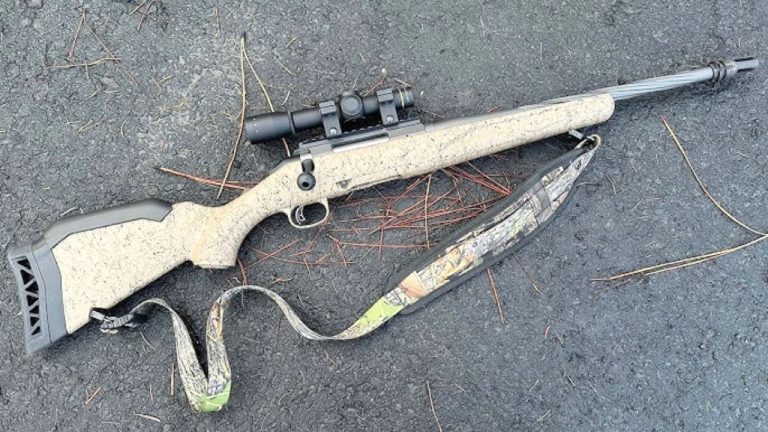
Ruger American Ranch rifles in mainstream calibers do fine, but oddball chamberings lose ground quickly. Once initial interest passes, demand thins out, especially if ammo availability tightens.
Buyers gravitate toward versions that are easy to feed and resell later. Niche calibers struggle to compete on the used market, even when the rifle itself shoots well. You can own one briefly and still take a noticeable hit when trading it toward something more common.
SIG Sauer Mosquito
The Mosquito carried a respected brand name, but its performance never matched expectations. Reliability complaints followed it from the start, and that reputation stuck. Used buyers approach cautiously, if at all.
As better rimfire pistols flooded the market, demand dropped further. Even clean examples struggle to command strong prices. When a gun becomes known more for frustration than function, value erodes quickly, and the Mosquito never really recovered.
Winchester Wildcat .22
The Wildcat arrived as a modern take on the budget rimfire, but it entered an already crowded field. With so many affordable .22 options available, it failed to stand out in resale listings.
Once the initial new-gun appeal wears off, buyers often default to more established platforms. That leaves Wildcats selling at a discount, even when barely used. It’s a fine plinker, but market saturation keeps values low, especially when owners decide to move on.

Asher was raised in the woods and on the water, and it shows. He’s logged more hours behind a rifle and under a heavy pack than most men twice his age.