Gear that doesn’t belong on pressured water
The rush of fast water hits different. Whether you’re running a steep creek in a kayak, guiding a raft through boulder-choked drops, or trying to hold a boat in heavy current while fishing a tailwater, pressured water demands respect. It moves quick, pushes hard, and turns small mistakes into big problems fast. Over the years, I’ve seen plenty of gear choices that look fine on flatwater or slow rivers but turn into liabilities the moment things get pushy. The right stuff keeps you in control; the wrong stuff leaves you fighting the river instead of reading it.
Inflatable PFDs Designed for Flatwater
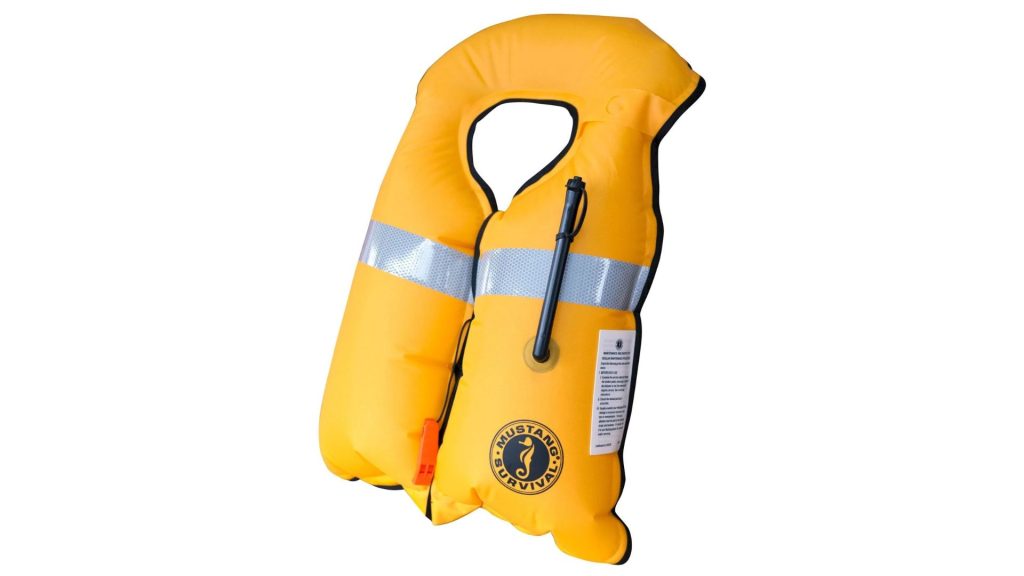
You pull on one of those bulky inflatable fishing or ski vests thinking the extra flotation will help in rough stuff. But when whitewater slams you, that loose fit shifts around your body. The jacket rides up toward your ears or slips off one shoulder during a flip or swim. In heavy current, you need a snug, low-profile Type III or V PFD built for paddling—something that hugs tight, stays put, and lets your arms move freely for bracing and rolling. Those big auto-inflating models might save you once, but they often lack the side adjustments and back protection that keep you oriented face-up in continuous water.
Cotton Clothing Layers
Cotton feels comfortable when you first hit the put-in, but the second you get soaked it clings, adds weight, and sucks heat out of you quicker than anything else. In cold, high-volume runs or spring runoff, that chill sets in fast and saps strength when you need it most. Stick to synthetic base layers and fleece or wool midlayers that wick moisture and retain warmth even when wet. Cotton jeans or hoodies have no place on rivers where swims happen—once they go heavy, they drag you down and make recovery tougher.
Standard Sneakers or Running Shoes
Those lightweight trail runners might grip sidewalks, but on slick river rocks and boat bottoms they slide out from under you. When you’re scrambling for a line or pulling yourself back into the raft, soft soles lose traction fast in mud or algae. Dedicated river shoes with sticky rubber soles and drainage ports keep your feet planted and drain quick so you avoid blisters. The wrong footwear turns a simple wet exit into a twisted ankle or worse when the current yanks you sideways.
Cheap, Non-Locking Carabiners
You clip a throw bag or rescue line with a basic carabiner from the hardware store, figuring it holds enough. But in heavy water, loads spike hard and fast—non-locking gates pop open under pressure or vibration, dropping your kit or worse. Stick to locking carabiners rated for rescue use; they stay closed when you need them most. I’ve seen too many close calls where a cheap gate failed right when someone was counting on it to hold a Z-drag or pin line.
Low-Volume or Narrow-Brimmed Hats
A baseball cap seems harmless until sun glare off the water blinds you mid-rapid or a branch knocks it into your eyes. In big water, you need peripheral vision and protection from branches, spray, and reflected light. Go with a wide-brim hat that ties down or a helmet-compatible cap with a longer bill. It shades your face, cuts glare, and stays secure when the boat pitches. The wrong hat distracts you at the worst moment.
Heavy Metal Frame Accessories on Small Rafts
You bolt on extra rod holders, coolers, or anchors thinking more gear means better fishing. But in technical whitewater or fast drops, that added weight and bulk shifts your center of gravity and catches on rocks. Small rafts already handle like sports cars—keep them light and trim. Secure only what’s essential with straps, and leave the heavy setups for flat floats. Overloading turns a responsive boat into a sluggish one that pins easier.
Non-Rated Dry Bags for Critical Items
You toss your phone, keys, and first aid into a cheap grocery-bag-style sack, figuring it’ll stay dry. But in a flip or swim, those thin seams burst under pressure and dump everything. Pressured water finds weak spots fast. Use roll-top dry bags or boxes rated for submersion with welded seams and proper closures. They keep gear accessible and protected when the boat goes over.
Oversized or Underbuilt Helmets
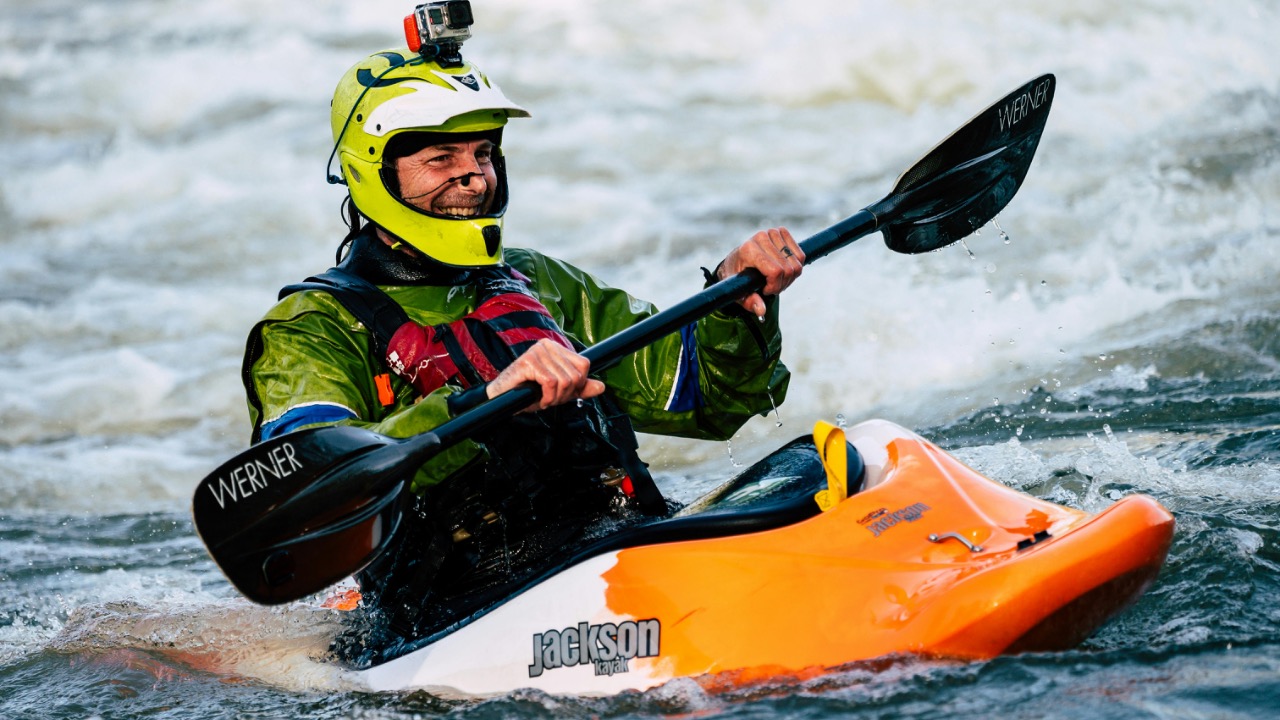
A bike helmet or loose climbing lid might feel okay on flatwater, but whitewater demands full coverage and a secure fit. Bike helmets lack the side and rear protection needed against rocks, and loose ones shift during impacts. Get a whitewater-specific helmet with adjustable retention and good venting—it stays on through rolls and collisions. The river doesn’t care if your head protection is casual; one bad hit proves that.
Anchor Systems Without Quick-Release
You drop an anchor in current to hold position for fishing, but forget the release mechanism. When the boat swings or a big wave hits, the line loads up and pulls you under or pins the boat. In moving water, always rig anchors with a quick-release or knife-ready setup so you can ditch it instantly. I’ve watched boats get dragged sideways because someone skipped that step—don’t let it happen to you.
These are hard lessons learned from rivers that don’t forgive bad calls. Gear up right, keep it simple, and focus on the water in front of you. The river always wins if you show up under-equipped. Stay safe out there.

Asher was raised in the woods and on the water, and it shows. He’s logged more hours behind a rifle and under a heavy pack than most men twice his age.