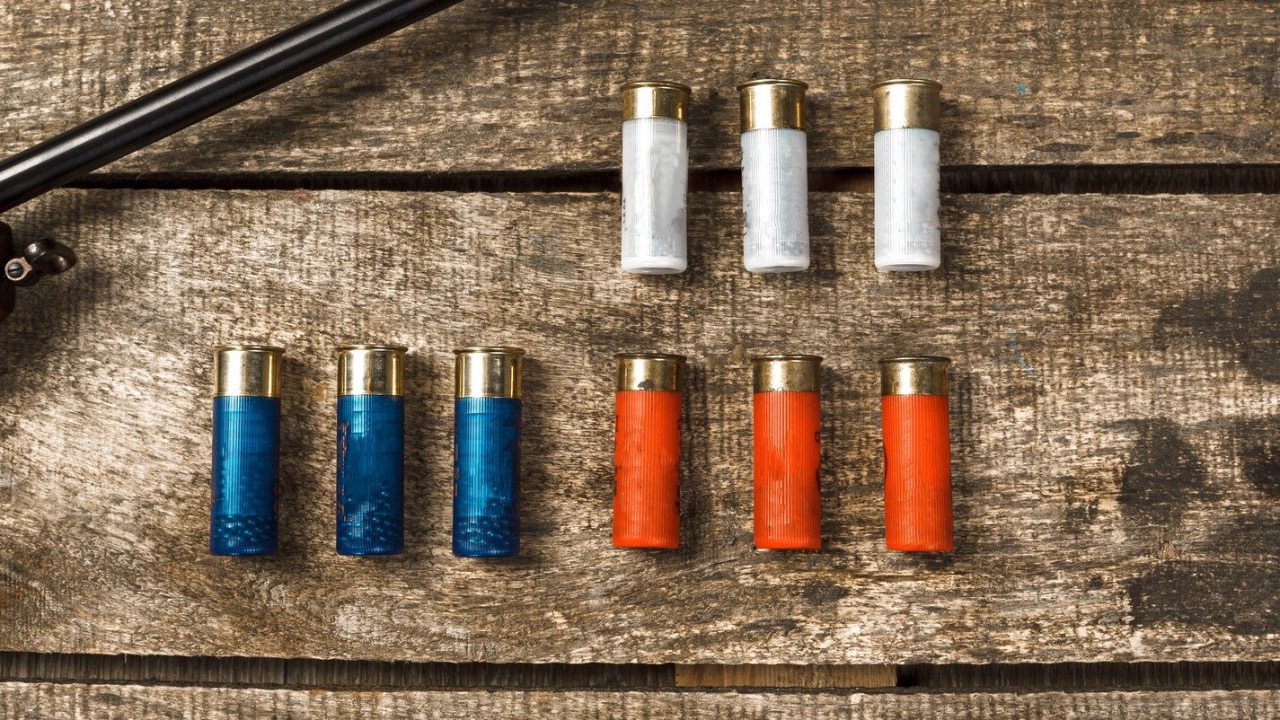
Choosing home defense shotgun ammo: buckshot vs birdshot
When people reach for a shotgun to protect their home, the next question is almost always the same: what should I load it with. The choice between buckshot and birdshot is not a minor detail, it is the difference between ammunition built to stop a human threat and ammunition built to bring down a pheasant or a mallard. I want to walk through that choice the way I would with a friend at the range, cutting through myths and leaning on what testing and real-world experience actually show.
How shotgun shells are built and why it matters indoors
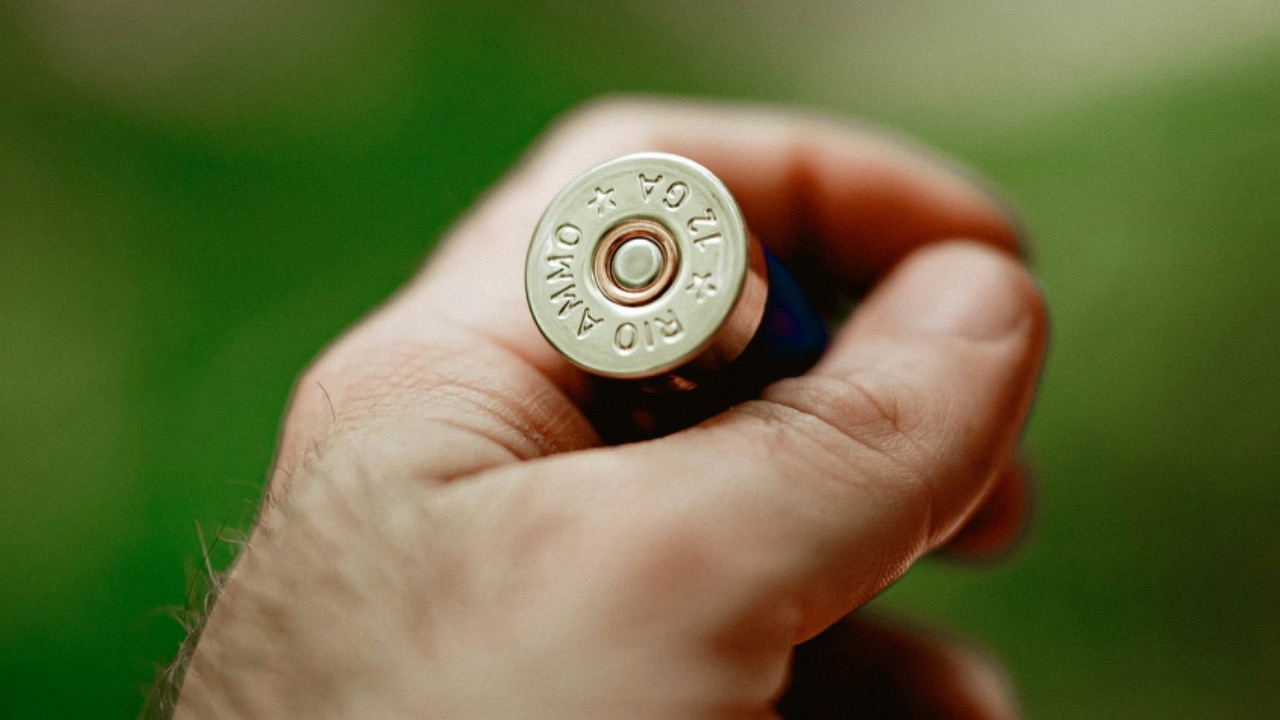
Before I compare buckshot and birdshot, I need to start with how a shotgun shell works, because the internal design drives everything that happens after you pull the trigger. A modern shell is a plastic hull with a brass base, a primer in the center, powder inside, a wad that acts as a gas seal and shot cup, and then the payload of pellets or a single slug. When the primer ignites the powder, gas pressure drives the wad and payload down the barrel, and the pellets start to spread once they leave the muzzle. That spread is what makes a shotgun forgiving under stress, but it also means every pellet that leaves the barrel is your responsibility inside a house full of walls, doors, and maybe family members.
Different shell types change the size and number of pellets, the velocity, and how tightly they stay together, which is why I pay close attention to the basic categories of buckshot, birdshot, and slugs. Birdshot shells carry many small pellets meant for birds and small game, buckshot carries fewer but much larger pellets intended for deer-sized animals and defensive use, and slugs are single large projectiles that turn a shotgun into something closer to a big-bore rifle. Inside a hallway or bedroom, that design difference between “many tiny pellets” and “a handful of big ones” is what separates a painful surface wound from a fight-stopping hit.
Birdshot vs buckshot: the core ballistic differences
At its simplest, the gap between birdshot and buckshot comes down to pellet size, pellet count, and penetration. Birdshot uses very small pellets, often in the #7½ to #4 range, packed by the dozens or even hundreds into a shell. Buckshot uses much larger pellets, like #4 buck, #1 buck, or 00 buck, with pellet diameters closer to small handgun bullets and pellet counts typically in the 8 to 16 range. That change in pellet size means each buckshot pellet carries far more mass and energy, which is why it is favored when you need to reliably stop a human attacker instead of a quail.
Those design choices show up clearly when you look at how each load behaves in testing. In side-by-side comparisons, The Difference Between Buckshot and Birdshot Explained points out that birdshot patterns very densely at close range but typically has lower penetration ability, while buckshot trades some pellet count for much deeper penetration and better stopping power. Another section on 12 gauge shells and stopping power reinforces that buckshot is the standard choice when the goal is to end a violent encounter quickly. On paper and in gel, birdshot is built to kill birds with fragile bodies and hollow bones, not to punch through clothing, muscle, and bone on a determined attacker.
What birdshot actually does at home-defense distances
There is a persistent belief that birdshot is “safer” indoors because the pellets are small and supposedly less likely to go through walls. I understand why that idea appeals to people who live in apartments or have kids sleeping down the hall, but it does not hold up well once you look at how birdshot behaves in real materials. At typical bedroom distances, the pattern has barely started to spread, so you are essentially hitting with a tight cluster of tiny pellets that dump energy quickly in the first few inches of soft tissue. That can create a nasty surface wound, but it often fails to reach vital organs, especially if the attacker is angled, clothed heavily, or not directly facing you.
Multiple ballistic tests have shown that birdshot tends to underpenetrate compared with buckshot, and that is why most experts will say no when asked if birdshot is a good primary choice for home defense. Another detailed breakdown of birdshot for home defense notes that while the power of a shotgun is impressive, the small pellets simply do not penetrate deeply enough in calibrated testing to be considered reliable stoppers. I have seen similar results in informal range tests on water jugs and scrap lumber, where birdshot looks dramatic on the surface but loses steam fast once it hits anything more substantial than thin plywood.
Why many trainers steer homeowners toward buckshot
When I talk to instructors who spend their lives teaching defensive shotgun work, there is a strong consensus that buckshot is the baseline load for serious home protection. The logic is straightforward. A defensive round has to meet two requirements at the same time: it has to stop the threat quickly, and it has to give you a pattern you can control under stress. Buckshot, especially in 12 gauge, delivers multiple projectiles that each have enough mass to reach vital organs, while still giving you a pattern that is tight enough to keep on a torso at realistic indoor distances.
That is why many guides on defensive ammunition state plainly that for most homeowners, the best 12 gauge ammo for home defense is buckshot, specifically #1 buck or 00 buck, which offer a strong balance of pellet size and count. One such overview even frames it as a Quick Answer for people who do not want to wade through charts and gel blocks. When I pattern common 00 buck loads at 7 to 10 yards, I usually see a fist-sized cluster that stays well within the vital zone of a silhouette, which is exactly what I want if I am shooting in a narrow hallway with family members behind drywall.
Pattern spread, chokes, and what your walls will actually see
Inside a typical house, most shots will be taken at distances between about 5 and 15 yards, and at those ranges pattern spread is smaller than many people expect. I have heard more than one new shotgun owner say they picked birdshot because they thought it would “spread more” and make aiming less critical. In reality, at living-room distances, both birdshot and buckshot often stay within a circle the size of a dinner plate or smaller, depending on the barrel and choke. That means you still have to aim carefully, and it also means that every pellet that misses the target is likely to hit a wall with enough energy to matter.
Testing on pattern spread and penetration has shown that while birdshot tends to lose steam faster than buckshot, both can penetrate typical interior walls made of drywall and light framing. The primary difference between Birdshot and Buckshot is that buckshot pellets are designed to carry enough energy to bring down a threat or animal, which means they will usually punch through more barriers. I do not take that lightly, but I also do not want to bank my life on a load that might stop in a heavy jacket just because I am worried about sheetrock. The better answer is to know your backstops, control your angles, and pattern your chosen load so you know exactly what it does in your gun.
What ballistic gel and real-world cases say about birdshot
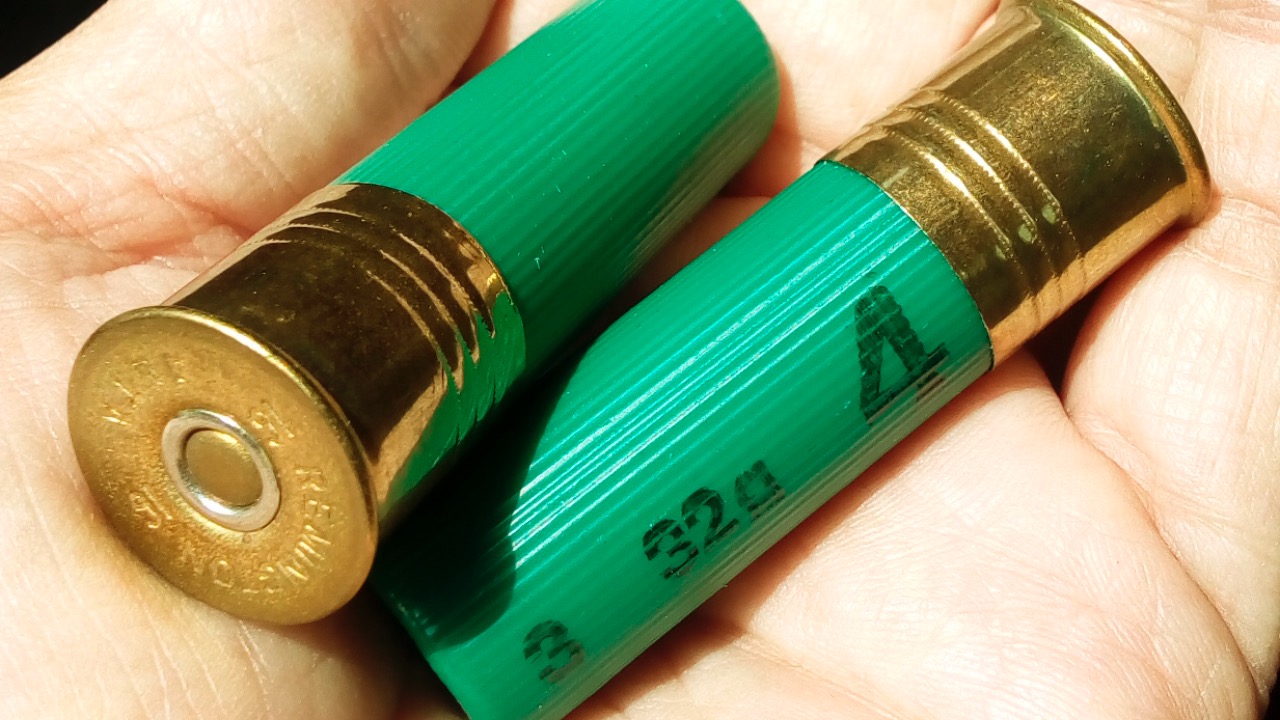
When I look at gel tests and medical reports, a pattern emerges that is hard to ignore. Birdshot can be devastating at contact distance, especially to the face or neck, but as soon as you add a few yards of air and a layer of clothing, its performance drops off quickly. In calibrated gel, many common birdshot loads fail to reach the 12 inches of penetration that is often used as a benchmark for reliable defensive performance. That shallow track might be enough to stop someone who decides they do not want to be shot again, but it is not something I want to rely on against a determined attacker who is high, enraged, or simply committed.
That is why one detailed analysis flatly states that Using Birdshot For Home Defense Doesn’t Work if your goal is consistent, fight-stopping performance. Another breakdown of what birdshot does in calibrated ballistic gel reaches the same conclusion, noting that most experts will say no when asked if birdshot is a good idea for primary defensive use. I have talked with emergency room staff who echo that picture, describing birdshot wounds that look ugly but do not always line up with the kind of deep, organ-level damage they see from buckshot or handgun rounds.
When birdshot might still have a role in a defensive shotgun
Even with all of that, I do not pretend there are zero situations where birdshot could make sense. In very tight living spaces, like a small apartment with paper-thin walls and neighbors on the other side, some people accept the tradeoff of less penetration in exchange for a slightly reduced risk of pellets exiting the structure with lethal energy. In those edge cases, I still treat birdshot as a compromise, not a magic safety blanket. At across-the-room distances, a load of #4 or #6 birdshot will still cause serious injury, and in a worst-case scenario it may be all someone is willing to keep in the gun.
Some trainers also talk about using birdshot as a first round in the tube, followed by buckshot, under the theory that the initial shot is less likely to overpenetrate while the follow-ups carry more punch. Personally, I prefer consistency, but I understand why people experiment with setups like that. Even sources that are skeptical of birdshot’s stopping power acknowledge that there can be certain defensive scenarios where birdshot or even slugs might be considered, depending on distance and environment. If someone insists on birdshot, I push them toward larger sizes like #2 or #4, and I urge them to pattern and test those loads thoroughly so they understand the limitations.
Choosing the right buckshot load for your shotgun and home
Once you decide that buckshot is the main tool, the next step is picking a specific load that fits your shotgun and your living situation. Not all buckshot is created equal. Standard 00 buck in a full-power 2¾ inch shell can be stout in a lightweight pump, especially for smaller shooters or those who do not train often. Reduced recoil loads, which use slightly lower velocity, can tighten patterns and make follow-up shots faster, and in my experience they still penetrate more than enough for defensive work. I also pay attention to pellet size, because #1 buck offers a middle ground between the large pellets of 00 and the smaller, more numerous pellets of #4 buck.
When I pattern different loads, I look for a combination of manageable recoil, consistent point of impact, and a pattern that stays on a torso-sized target out to at least 15 yards. Many guides that walk through what buckshot and slugs are designed to do emphasize that buckshot is the go-to for most indoor situations, while slugs are better reserved for longer distances or specific tasks like defeating intermediate barriers. I keep my defensive shotguns zeroed and patterned with one specific buckshot load and then buy enough of that load to train with it regularly, because the best ammo in the world does not help if you do not know exactly where it hits from your gun.
Training, mindset, and making a responsible choice
In the end, the birdshot versus buckshot debate is really a conversation about responsibility. A shotgun is a powerful tool, and using it inside a home raises the stakes on every decision you make, from what load you choose to how you set up your fields of fire. I lean toward buckshot because the data, the gel tests, and the real-world outcomes all point in the same direction: larger pellets that penetrate deeply are far more likely to stop a violent threat quickly. Birdshot, by design, is optimized for small game, and while it can injure or even kill at close range, it does not offer the same margin of safety when someone is trying to hurt you or your family.
That said, I never tell someone to simply copy my setup and call it good. I encourage people to read through detailed breakdowns like Using Birdshot For Home Defense Doesn’t Work and the broader discussion of birdshot’s limits, then take their own shotgun to the range and pattern both birdshot and buckshot at realistic distances. Once you have seen for yourself how those pellets behave on cardboard, wood, and other test media, the choice usually becomes much clearer. My advice is simple: pick a proven buckshot load that you can control, learn exactly how it performs in your gun, and back that up with solid training and a clear plan for how you will defend your home if you ever have to reach for that shotgun in the dark.

Asher was raised in the woods and on the water, and it shows. He’s logged more hours behind a rifle and under a heavy pack than most men twice his age.