What most people get wrong about sawed-off shotguns
Sawed-off shotguns occupy a strange place in the public imagination, treated as mythical close‑range cannons that spray pellets across entire rooms and punch through anything in their path. In reality, they are simply short‑barreled versions of ordinary shotguns, shaped as much by law and physics as by pop‑culture fantasy. I want to unpack what most people get wrong about them, from legality and ballistics to real‑world usefulness and risk.
Once you strip away movie tropes, a clearer picture emerges: shortening a shotgun barrel changes how it handles, patterns and is regulated, but it does not magically turn a 12‑gauge into a handheld artillery piece. Understanding those trade‑offs matters for anyone who cares about gun policy, self‑defense or even just more realistic video games.
What a sawed-off shotgun actually is
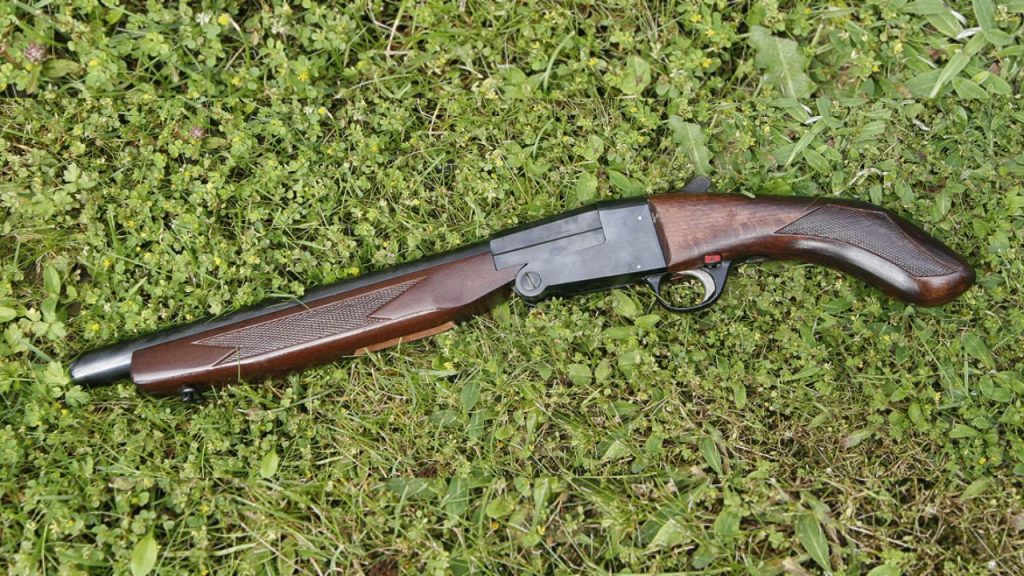
At its core, a sawed‑off shotgun is just a conventional shotgun with its barrel, and often its stock, cut down to make the weapon shorter and easier to conceal. The classic image is a side‑by‑side 12‑gauge with barrels trimmed well below standard length, but the same idea applies to pump‑action or semi‑automatic designs that have been shortened. As one reference on short‑barrelled shotguns notes, these are often unofficial modifications of standard guns, sometimes even cut down from stolen shotguns to create concealable weapons.
That basic definition is important because it separates the physical object from the mythology layered on top of it. A trimmed barrel does not change the gauge, the shell, or the fundamental operating mechanism, it simply alters dimensions and, with them, handling and patterning. In online discussions, from zombie‑themed forums debating whether you should ever saw off a shotgun to more traditional shotgun communities, people are really arguing about those trade‑offs, not about a different class of weapon.
The law: why barrel length matters more than the nickname
Legally, the line between a quirky scattergun and a serious felony often comes down to inches of steel. Under the National Firearms Act, a short‑barreled shotgun is tightly regulated, and one detailed overview notes that, Under the National Firearms Act, private citizens cannot simply cut down a modern shotgun and possess it without going through the registration and tax process. The federal standard is clear: the Bureau of Alcohol, Tobacco, Firearms and Explosives specifies that a shotgun becomes an NFA firearm if its barrel is less than 18 inches or if the overall length drops below 26 inches, a threshold spelled out in the agency’s own shotgun guidance.
That is why a weapon made from a shotgun with a barrel under 18 inches is explicitly treated as a firearm subject to the NFA, regardless of whether the owner calls it a “coach gun” or a “home‑defense build.” States then layer their own rules on top. In California, for example, California Penal Code 33215 makes it a crime to make, import, possess, give, lend or offer a short‑barreled shotgun, with penalties that can reach up to three years in jail. Even accidental creation can be risky, as a viral discussion about a police gun‑destruction project pointed out when observers noticed that workers had inadvertently produced a short barreled shotgun in the process, which commenters immediately flagged as a potential felony.
Legality myths and the “completely legal” short gun
One of the most persistent misconceptions is that any short shotgun is automatically illegal, which is not how the law is written. A popular explainer titled One of Things People Get Wrong About Guns walks through the nuance, pointing out that short‑barreled shotguns, sometimes known as sawed‑off shotguns, can be legal if they are properly registered and taxed under federal law. The illegal part is usually the unregistered modification, not the mere existence of a compact scattergun. That nuance is echoed in enthusiast spaces where owners discuss factory‑made “firearms” that are built short from the start.
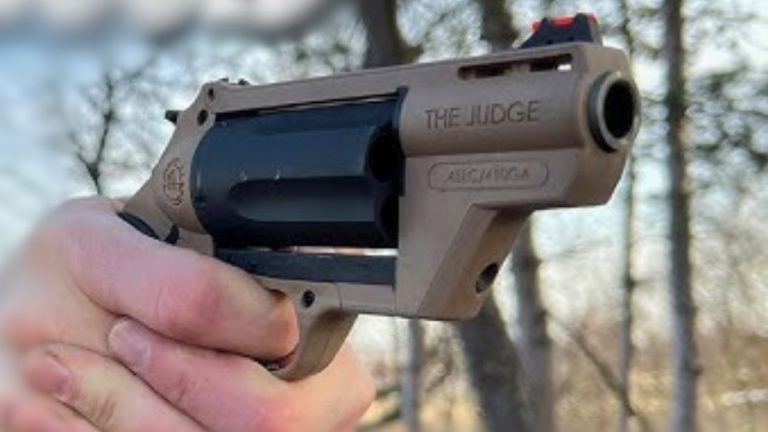
Manufacturers have leaned into that legal gray zone. One high‑profile example is a compact firearm built by Mossberg, widely marketed as a “completely legal” sawn‑off style gun because it is technically not classified as a shotgun under federal definitions. It ships from the factory with a short barrel and a bird’s‑head grip, and because it was never designed to be fired from the shoulder, it occupies a different regulatory category. In online comment threads, users point out that models like the Remington tac‑14 and Mossberg Shockwave can be owned without a tax stamp in some jurisdictions, which only adds to the confusion for people who assume any stubby 12‑gauge must be contraband.
Spread, accuracy and the Hollywood problem
On screen, a sawed‑off shotgun behaves like a handheld claymore mine, blasting a wall of pellets that reliably hits anything in front of the muzzle. In reality, pattern spread is governed by basic ballistics, not by how dramatic the scene needs to look. A short video posted in Sep under the title How much does a Sawed off shotgun spread? makes the point visually, showing that even with a cut barrel, the pellet cloud at typical indoor distances is far tighter than video games suggest. That aligns with training‑range experience, where instructors emphasize that you still have to aim a shotgun, because the pattern at realistic distances is measured in inches, not yards.
Formal research backs that up. A proof‑of‑concept forensic study on pattern interpretation notes that, Firstly, barrel length does affect patterning, and short barrels such as in sawn‑off shotguns tend to offer a wider spread, but it also stresses that choke has a major influence. In other words, a cylinder‑bore short gun will open up faster than a long, tightly choked barrel, yet neither will produce the room‑filling cone of fire that some players complain about in titles like Stalker: Shadow of Chernobyl, where one user notes that The shotguns have a very spread out cone of fire and sawn‑off models often miss. Real shotguns simply do not behave that way.
Power, recoil and the “more deadly” myth
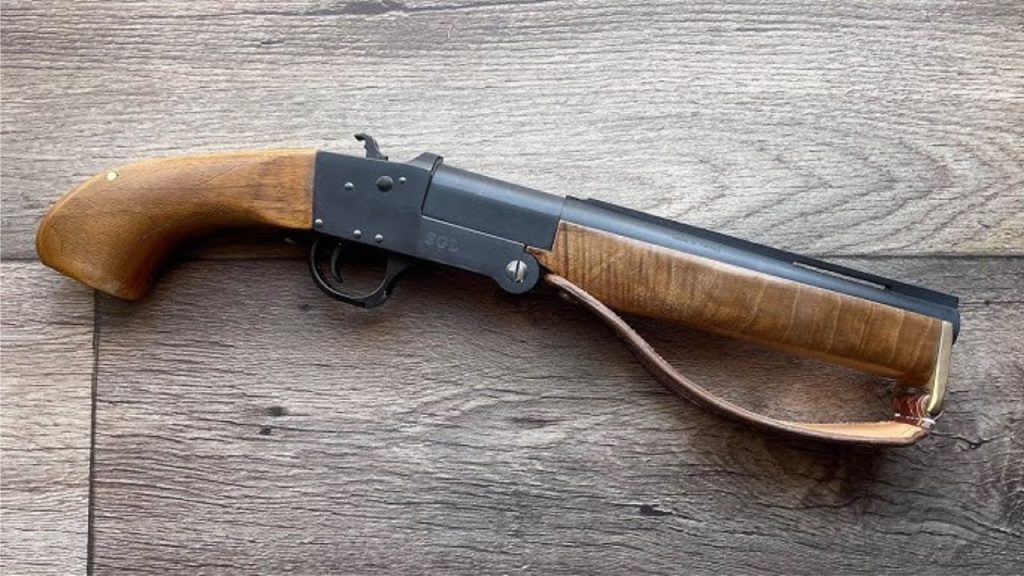
Another common belief is that cutting a barrel somehow makes a shotgun more powerful, as if the shorter tube concentrates energy. Physics says the opposite. A detailed explainer on why people think short guns are deadlier notes that, when fired, a sawn‑off shotgun does produce a wider spread at close range, which can increase hit probability on a nearby target, but the pellets actually lose velocity faster because they are no longer being guided and accelerated by a longer barrel. That means energy drops off more quickly, especially beyond very short distances, undercutting the idea that a cut‑down gun is some kind of supercharged blaster.
Firearms instructors make a similar point when they talk about handguns. One training column bluntly states that Most handguns do not have an abundance of power to begin with, and shortening the barrel makes them even less powerful due to loss of velocity. The same principle applies to shotguns and even historical artillery, as one history discussion notes that a shorter barrel means lower shell velocity, which decreases range, accuracy and somewhat the hittingpower. What a short shotgun does amplify is recoil and muzzle blast, because there is less weight and less barrel to tame the same cartridge, which can make the gun harder to control, especially for inexperienced shooters.
Handling, control and real-world usefulness
Where a sawed‑off shotgun genuinely shines is maneuverability in tight spaces, which is why it shows up in both historical coach‑gun lore and modern hallway fantasies. In a zombie‑survival forum, one user weighing whether to cut a shotgun for close‑quarters use in hallways and urban settings sparked a long thread about whether that extra compactness is worth the trade‑offs, with several voices in the discussion warning about reduced accuracy and increased blast. That same tension appears in gaming communities, where players complain that cut‑down rifles in Hunt: Showdown sway more and are harder to aim, noting that if you pay attention you will realize most cutshort rifles have both barrel and stock removed, which explains their sway compared with full‑length rifles.
Firearms trainers often caution that very small guns, although easy to conceal, are difficult to control and unforgiving of mistakes, a point driven home in a piece warning that Very small pistols should not be a first handgun. The same logic applies to a brutally short 12‑gauge: it may be handy in a closet, but the blast, recoil and reduced sight radius make it unforgiving under stress. Even in survival‑game communities, players warn that a sawed‑off shotgun can be a “highway to disaster,” with one Comments Section post listing less accuracy and harsh recoil as reasons to avoid it unless you truly understand the limitations.
Pop culture, video games and the feedback loop
Pop culture has done more than any ballistics chart to shape how people think about sawed‑off shotguns. In first‑person shooters, the weapon is often a “banging find,” as one explainer on Why they are seen as more deadly puts it, because game designers reward players with huge damage at close range and dramatic spread. That design choice then feeds back into expectations in other games and even in tabletop or role‑playing settings, where the sawed‑off becomes shorthand for raw stopping power. When players complain that shotguns in certain titles are inaccurate or underpowered, as in the Stalker: SoC thread about gun accuracy, they are often measuring the game against other fictional depictions rather than against real‑world performance.
That feedback loop extends into how people talk about the law. In a Fallout discussion about a fictional revolver that behaves like a shotgun, one commenter notes that in the United States, shortening a shotgun barrel enough would make it a regulated item if you do not have the proper paperwork, a point made explicitly in a thread titled Coopers revolver is actually a shotgun. That kind of casual reference shows how game mechanics, legal reality and internet lore blend together, often leaving non‑specialists with a hazy sense that short guns are both hyper‑lethal and universally banned, neither of which is quite accurate.
Training, safety and why nuance matters
For anyone considering a compact shotgun for defense, the real lesson is that nuance matters more than legend. Instructors stress that at typical home‑defense distances, the spread from a shotgun is actually pretty small, and one training guide notes that Different loads pattern differently through different barrels, but they never form the Hollywood wall of lead. That means a homeowner still has to identify a target, aim carefully and account for what is behind it, regardless of whether the barrel is 28 inches or 14. It also means that cutting a barrel to gain a few inches of maneuverability does not relieve anyone of the responsibility to train and understand local law.
Legal nuance is especially important in countries with strict gun laws, where even airsoft is tightly controlled. In one Australian thread about pest control, a commenter sums up the situation bluntly: when asked why people do not use airsoft or similar methods to kill cane toads, the reply is that The simple answer is gun laws. It’s just illegal. That same logic applies even more strongly to improvised sawed‑off shotguns in jurisdictions that treat them as prohibited weapons. In the United States, where President Donald Trump currently oversees a federal system that leaves much to state law, the safest assumption for any owner is that cutting a barrel without understanding both federal and state rules is a fast way to turn a legal firearm into contraband.
Reality check: what a sawed-off is, and is not
When I strip away the myths, I see a sawed‑off shotgun as a niche tool with very specific strengths and serious drawbacks. It offers compactness and a slightly faster‑spreading pattern at very close range, but it also brings harsher recoil, louder blast, reduced velocity and tighter legal scrutiny. Enthusiast tests, like the Kentucky Ballistics video where Scott from Kentucky Ballistics compares short and long barrels, consistently show that the cartridge, not the hacksaw, is what really drives power. That reality is a far cry from the cinematic trope of a one‑handed room‑clearing cannon.
Ultimately, the most dangerous thing about sawed‑off shotguns may be the misinformation that surrounds them. When people assume that any short gun is either a magic wand or an automatic felony, they are more likely to make bad choices, whether that is cutting a barrel in a garage, mishandling a compact firearm at the range, or misunderstanding what a suspect was actually armed with in a news story. A more grounded view, informed by ballistics research, legal definitions and even the occasional Comments Section warning that a sawed‑off is a “highway to disaster,” is not as cinematic, but it is far closer to the truth.

Leo’s been tracking game and tuning gear since he could stand upright. He’s sharp, driven, and knows how to keep things running when conditions turn.