Why accuracy matters more than caliber in self defense
When people argue about defensive handguns, the talk usually jumps straight to caliber. The reality on the street is far less glamorous: the round that matters is the one that actually hits something vital. I have seen over and over that the shooter who can put accurate rounds where they count, under stress, is far better equipped to survive than the one carrying a “more powerful” cartridge that they cannot control.
Accuracy in this context is not benchrest precision, it is the ability to get fast, repeatable hits in the parts of the body that stop a violent attack. Caliber still plays a role, but it is a supporting actor, not the star. Once you understand how recoil, gun fit, ammunition choice, and real-world stopping power work together, it becomes clear why accuracy and control matter more than the headstamp on your brass.
Caliber myths versus what actually stops a fight
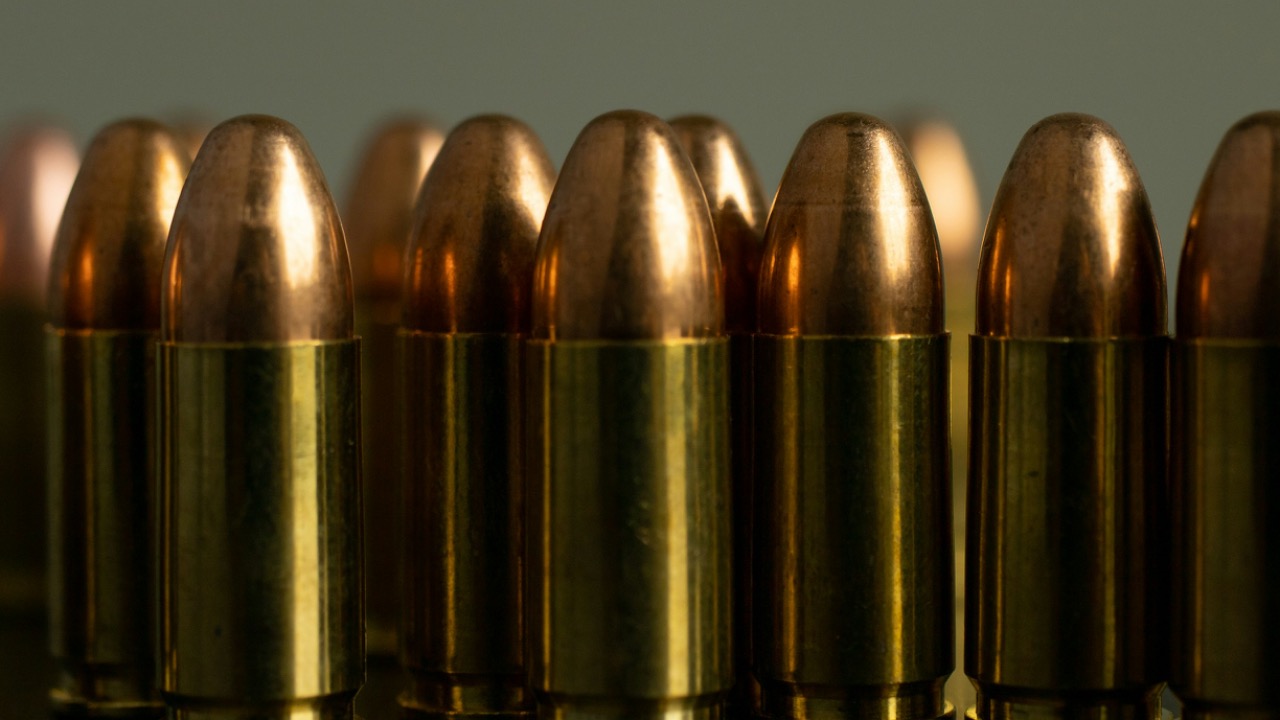
Most caliber debates start with energy charts and end with hurt feelings, but they rarely address how people actually stop fighting in real shootings. Real-world data on handgun stopping power shows that in a fairly high percentage of incidents, attackers quit after being hit with one round, regardless of whether that round came from a service caliber or something smaller, as long as it struck something important. That same look at handgun performance also notes that no common pistol round is a guaranteed “one shot stop,” which puts the focus back on where those bullets land rather than how big they are, a point underscored in an alternate look at handgun stopping power.
Experienced instructors keep coming back to the same theme: shot placement and the ability to deliver multiple accurate hits matter more than chasing marginal ballistic gains. One well known saying in the training world puts it bluntly: “Shot placement is king, magazine capacity is queen, and caliber is but a lowly duke,” a line that shows up often in discussions like the Jan thread on caliber and self defense. When you strip away the bravado, the pattern is clear. Hits in the upper chest and central nervous system stop fights. Misses, no matter how large the bullet, do not.
Why recoil and gun fit drive real-world accuracy
To hit well under stress, you need a gun and caliber you can actually control. Recoil is the bridge between caliber and accuracy. As Sir Isaac Newton put it in his Third Law of Motion, “For every action, there is an equal and opposite reaction,” and that reaction is what you feel in your hands every time you press the trigger. Guidance on choosing a defensive cartridge points out that Recoil, As Sir Isaac Newton and the Third Law of Motion explain why softer shooting rounds like 9 mm are easier for most people to run quickly and accurately than heavy .45 ACP loads.
Caliber and Recoil are tied together, and larger calibers generally produce more recoil, which can slow follow up shots and open up your groups if you are not highly trained. A detailed overview of handgun sizes notes that Caliber and Recoil affect ease of use and comfort during extended shooting sessions, which is exactly where you build the muscle memory that shows up in a fight. If the gun beats you up on the range, you will not practice enough to shoot it well, and if you cannot shoot it well, the theoretical advantage of a bigger bullet never materializes.
Training, not caliber charts, wins defensive encounters
Once you accept that no handgun round is magic, the path forward is obvious: invest in training and practice until you can deliver fast, accurate hits on demand. One training school in Aug puts it plainly, noting that at the end of the day, the best caliber for self defense is the one you can control and that At the end of the day training matters more than caliber. That is not marketing, it is a reflection of what instructors see on the line every week: shooters who pick a manageable caliber, then put in the work, outperform those who chase power and skip reps.
There is a trap on the other side of the spectrum too, where people obsess over tiny groups and forget that real fights are messy and fast. A seasoned defensive coach writing in Jan warns that it is impossible to predict exactly what effect any single bullet will have on a human body and that chasing perfect accuracy can get you killed if it slows you down. That perspective, laid out in a piece titled “Don’t Let Perfect Accuracy Kill You,” reminds shooters that they need a realistic idea of their skill level and that The bottom line is that it is impossible to predict with absolute certainty what effect a bullet strike will have. The goal is not one ragged hole, it is consistent hits in vital areas at the speed the situation demands.
Small calibers, big debates, and what the data actually says
Walk into any gun shop and you will hear someone dismiss small calibers as “mouse guns,” but the numbers do not fully support that attitude. Analysis of home defense incidents shows that small caliber firearms are statistically nearly as good as large caliber weapons at stopping threats when you look at whether the attacker was stopped at all, not how dramatic the wound looked. One legal defense resource quotes Claude Werner saying that “Ultimately, the lesson for armed defenders is that small-caliber firearms are statistically nearly as good as large-caliber weapons,” and that the key is the number and placement of the bullets you fire.
Modern ammunition has also narrowed the gap between “minor” and “major” calibers. A detailed look at pocket guns points out that a . 32 JHP of good construction is going to expand and do its job, while a cheap 9×19 mm steel case FMJ might be only good for the range. That same discussion notes that a big hole in a bad place is less effective than a smaller hole in the right place, and that more people have been killed with small calibers than the established service calibers, a reminder that 32 JHP and FMJ choices matter less than where those rounds land. When you factor in lower recoil and higher capacity, it is easy to see why many shooters shoot smaller calibers more accurately and more often.
Ammo choice, not caliber alone, shapes terminal performance
Once you pick a controllable caliber, the next big lever is ammunition. In any personal defense scenario, you want a reliable load that transfers as much energy and damage as possible without overpenetrating and endangering bystanders. That is why modern jacketed hollow points are the standard recommendation for carry, and why experts stress choosing a load that expands consistently and penetrates deeply enough to reach vital organs, as laid out in guidance on how to pick the right ammunition for the application.
The FMJ versus hollow point decision is not about fashion, it is about physics and physiology. One legal and training discussion explains that The FMJ vs. HP decision is about how bullets behave in tissue and that You want a self defense shot to stop the threat of the person who is attacking you, not sail through and hit something behind them. That same conversation notes that practice is all about cost, which is why many shooters train with cheaper FMJ and carry premium hollow points, a balance that shows up in the way The FMJ and You are discussed. Caliber sets the ceiling on what a round can do, but bullet design and shot placement decide what actually happens in flesh.
Gun reliability and ergonomics: the quiet partners of accuracy
Accuracy does not matter if the gun will not run. Gun reliability is a simple concept: when you pull the trigger, the gun completes its firing cycle and sends a bullet where you aimed. A technical breakdown of firearm function notes that Gun reliability depends on consistent feeding, firing, extraction, and ejection, all of which can be affected by ammunition choice, maintenance, and how tightly you grip the pistol. Malfunctions in a fight cost time and attention you do not have, and they erase any theoretical advantage of a “better” caliber.
Ergonomics matter just as much. A well designed pistol that fits your hand and points naturally will always be easier to shoot accurately than a blocky brick, even if both are chambered in the same round. One example is The Beretta 92 compact, which is described as a great handgun with excellent accuracy potential and world class reliability, a combination that lets shooters get the most out of the 9 mm cartridge. That blend of shootability and trustworthiness is why so many instructors steer new carriers toward proven platforms like the The Beretta 92 rather than chasing exotic calibers or boutique guns.
How to pick a caliber you can actually shoot well
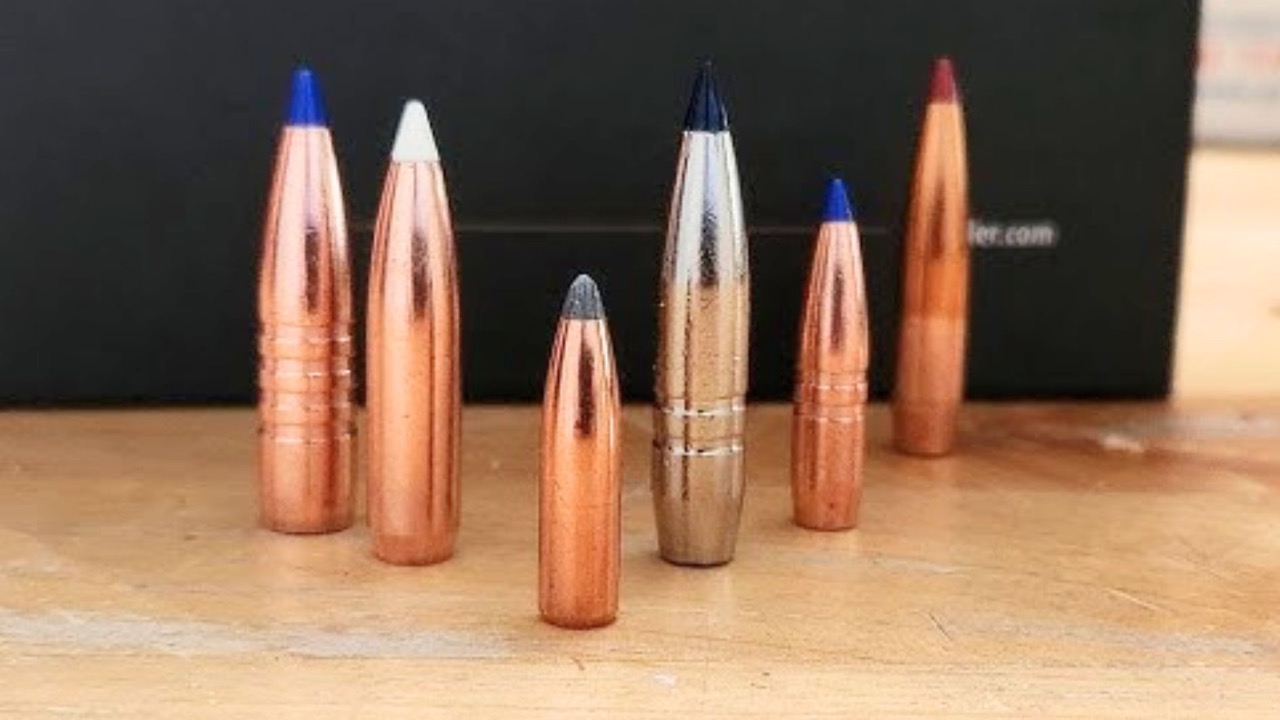
Choosing a defensive caliber starts with understanding what caliber really means. Caliber Definition is simply the internal diameter of the barrel, and for example a 9 mm handgun has a . 356-inch barrel diameter and uses 9 mm rounds with that bullet size. A detailed overview of defensive calibers stresses that it is important to match your caliber choice to your skill level, recoil tolerance, and the role of the gun, and that this decision will influence your overall success, a point driven home in guidance on the 356-inch barrel diameter and caliber selection.
From there, you need to look at how that caliber behaves in the real world. A primer on handgun sizes notes that a few of the major factors affected by caliber are Recoil, Probably the very first thing a lot of shooters worry about, as well as capacity and gun size. Another comparison of .40 versus .45 points out that Accuracy is a difficult category to quantify because it depends heavily on the shooter and the specific firearm, and that when you take all the points together, .45 ACP is often favored for home defense while .40 S&W can make sense for concealed carry, a tradeoff explained in the Nov Accuracy comparison. The common thread is that you should pick the round you can control in rapid fire, in a gun that fits your hand, then commit to training with it.
Legal realities, internet arguments, and what actually matters
One concern that keeps people chasing bigger calibers is fear of how a prosecutor or civil attorney might spin their gear choices. Real world legal discussions suggest that caliber does matter, but probably not in the way many people think. In a Jan Comments Section on concealed carry, one user named CottonHill2341 answered Yes when asked if caliber matters legally, but clarified that the real concern is extreme magnum rounds or exotic ammunition that can be painted as reckless, not whether you chose 9 mm or .45. That perspective in the Jan Comments Section Yes thread lines up with what most defense attorneys say: focus on using mainstream duty style ammo and being able to articulate why you chose it.
The internet, of course, has its own priorities. You can find endless videos ranking the “Top 5 Deadliest Self Defense Ammo Across All Pistols Calibers,” complete with slow motion gel tests and dramatic commentary. One such video from Feb urges viewers to hit the like and subscribe buttons and shows off a range of loads across popular calibers, but even there the underlying message is that modern defensive ammo in common calibers all performs within a fairly tight band when it is put in the right place, a point you can see in the Feb ammo comparison. When you strip away the theatrics, the pattern is the same as in the data and the training world: pick a reliable gun in a controllable caliber, load it with quality hollow points, and then spend your time and money learning to hit what you are aiming at.

Asher was raised in the woods and on the water, and it shows. He’s logged more hours behind a rifle and under a heavy pack than most men twice his age.