Calibers that don’t waste meat
Every deer hunter eventually learns that killing power and meat damage aren’t the same thing. Velocity, bullet construction, and shot placement matter more than raw energy numbers printed on ammo boxes. When you choose the right cartridge and pair it with a controlled-expansion bullet, you get clean kills without turning shoulders into soup. These are the calibers that put venison in the freezer instead of trimming piles on the ground.
They reward patience, accuracy, and realistic ranges. You still need to do your part, but these rounds have a long track record of punching through vitals without blowing apart usable meat. If filling tags and filling coolers matters more than bragging rights, these are worth your attention.
.243 Winchester
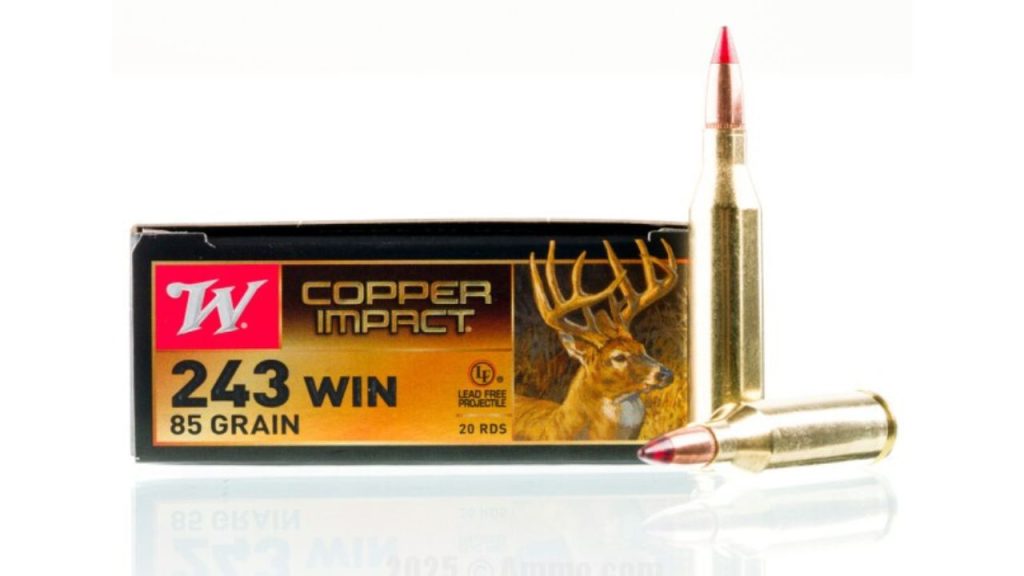
The .243 Winchester has probably put more clean venison in freezers than most people want to admit. With proper bullets, it slips through ribs, wrecks lungs, and exits without shredding shoulders. That balance makes it forgiving on meat while still being decisive on deer-sized game.
You see the difference at the skinning pole. Exit wounds stay reasonable, bloodshot areas are limited, and trimming is minimal. It also encourages careful shot placement because recoil is mild and accuracy comes easy. When you keep distances sensible and avoid heavy bone, the .243 does exactly what you want and nothing extra.
.25-06 Remington
The .25-06 Remington carries speed, but when paired with controlled bullets, it behaves well on deer. It hits flatter than many traditional options, which helps place shots cleanly through the chest instead of drifting into shoulders.
Used properly, it produces narrow wound channels and reliable exits without explosive damage. The key is avoiding thin-jacket varmint bullets that turn speed into waste. Hunters who choose bonded or partition-style bullets usually walk away impressed by how little trimming they do. It’s a cartridge that rewards thoughtful ammo choices and careful aiming rather than brute force.
.257 Roberts
The .257 Roberts doesn’t get talked about much anymore, but it remains one of the gentlest meat-saving deer cartridges around. It pushes moderate velocities that favor penetration over surface trauma, which keeps edible portions intact.
On broadside shots, it tends to punch clean holes in and out with minimal bruising. That means shoulders stay usable and rib meat doesn’t turn dark and mushy. It also promotes disciplined shooting, since most rifles chambered for it aren’t meant for reckless long-range attempts. When used inside its comfort zone, the .257 Roberts quietly does its job and leaves you with clean quarters.
.260 Remington
The .260 Remington sits in a sweet spot for hunters who want efficiency without excess damage. Using high-quality bullets, it penetrates deeply while keeping expansion controlled. That combination leads to short tracking jobs and clean carcasses.
The cartridge’s mild recoil helps you stay steady, which directly affects shot placement. Lung shots tend to produce tidy exit wounds without wrecking surrounding meat. You don’t see massive bloodshot areas unless bone is hit hard. For hunters who value precision over power, the .260 Remington delivers consistency and restraint in the field.
6.5 Creedmoor
The 6.5 Creedmoor earned its reputation at the range, but it has proven equally useful for hunters who care about meat loss. With the right hunting bullets, it penetrates deeply and expands in a controlled manner that limits unnecessary damage.
Deer shot through the ribs often drop quickly without excessive trauma. Exit wounds stay manageable, and shoulders usually remain intact if you avoid heavy bone. Its predictable trajectory also helps you place shots where they belong. When treated like a hunting cartridge instead of a long-range experiment, the 6.5 Creedmoor behaves responsibly on deer.
.270 Winchester
The .270 Winchester has been feeding families for generations, and part of that comes from how well it balances speed and penetration. When loaded with proper hunting bullets, it passes through lungs cleanly and leaves exits that don’t ruin whole quarters.
Problems only show up when shots drift into shoulders at close range. Used thoughtfully, it keeps meat damage limited while still offering reach across open country. It also shoots flat enough to reduce bad hits caused by misjudged distance. The .270 rewards discipline and good bullet selection, which is why it continues to earn trust season after season.
.30-30 Winchester
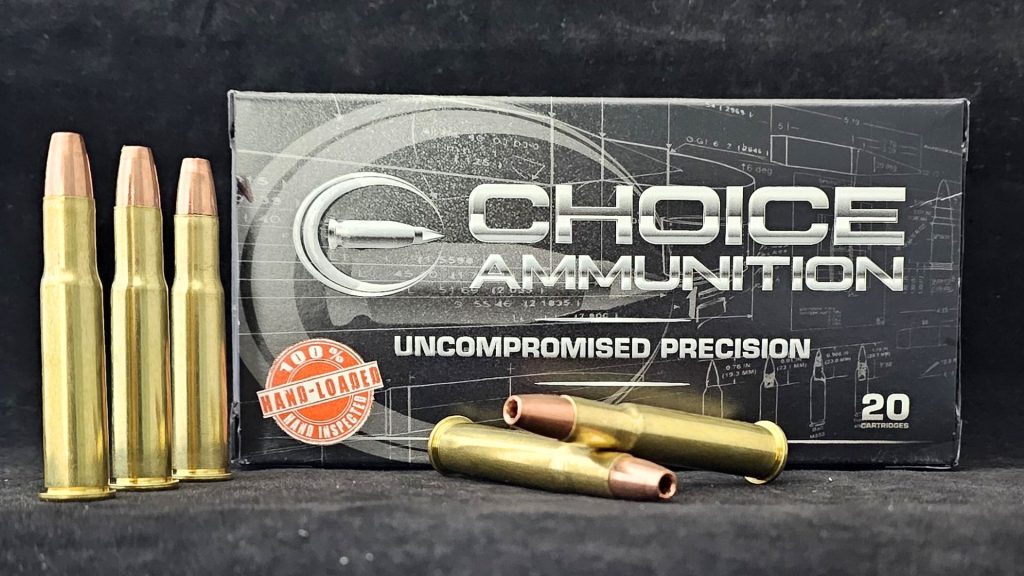
The .30-30 Winchester may be old, but it remains one of the most meat-friendly deer cartridges around. Its moderate velocity keeps bullet expansion controlled, which limits bloodshot meat even on close shots.
Most deer taken with a .30-30 show clean entry and exit wounds through the chest. You don’t see the violent tissue destruction common with faster rounds. That makes processing quicker and more rewarding. It encourages close, careful shots, and when you keep it inside its range limits, the .30-30 does exactly what it has always done well.
.35 Remington
The .35 Remington hits with authority without tearing deer apart. Its heavier bullets move at reasonable speeds, which leads to deep penetration and controlled expansion. That translates into clean kills and surprisingly little meat loss.
Shoulder shots still demand trimming, but rib shots leave most of the carcass untouched. The round shines in thick cover where shots are close and angles matter. Hunters who use it tend to appreciate how predictable the results are at the skinning rack. It’s a cartridge that values momentum over speed, and venison benefits from that approach.
7mm-08 Remington
The 7mm-08 Remington combines manageable recoil with efficient terminal performance. Using quality bullets, it penetrates well without fragmenting aggressively, which keeps meat loss under control.
Broadside shots usually produce tidy exits and short recovery distances. The cartridge also supports precise shooting, which reduces the chances of bad hits. It’s effective across a wide range of conditions without being excessive. Hunters who focus on clean kills rather than raw energy often come away impressed by how little trimming is required after the shot.
.223 Remington (With the Right Bullets)
When legal and used responsibly, the .223 Remington can be very gentle on meat. With proper soft-point or bonded bullets and disciplined shot placement, it limits damage while still being effective.
Lung shots often result in minimal bruising and clean exits. The key is patience and avoiding quartering angles or heavy bone. It’s not forgiving, but when used by experienced shooters, it leaves surprisingly clean carcasses. Hunters who treat it as a precision tool rather than a shortcut see results that speak for themselves.
.300 Savage
The .300 Savage sits between classic woods cartridges and modern high-speed rounds. It offers solid penetration without the violent expansion that ruins meat at close range.
Deer taken with it often show controlled wound channels and limited bloodshot areas. Exit wounds are reliable but not excessive. It performs best inside moderate distances where its design shines. Hunters who run it in traditional rifles appreciate how predictable the results are when processing game. It remains a practical option for those who value restraint.
6mm Remington
The 6mm Remington delivers speed with a lighter touch when paired with proper bullets. It penetrates deeply through soft tissue while limiting surface destruction.
On rib shots, meat loss stays minimal, and deer rarely travel far. The cartridge rewards accuracy and calm shooting, which helps prevent unnecessary damage. It’s easy to overlook today, but it remains effective for hunters who prioritize clean kills and full freezers. When used within reason, the 6mm Remington proves that efficiency doesn’t have to come with waste.

Asher was raised in the woods and on the water, and it shows. He’s logged more hours behind a rifle and under a heavy pack than most men twice his age.